As COVID-19 surges in the US, are we all willing to take it seriously?: Opinion
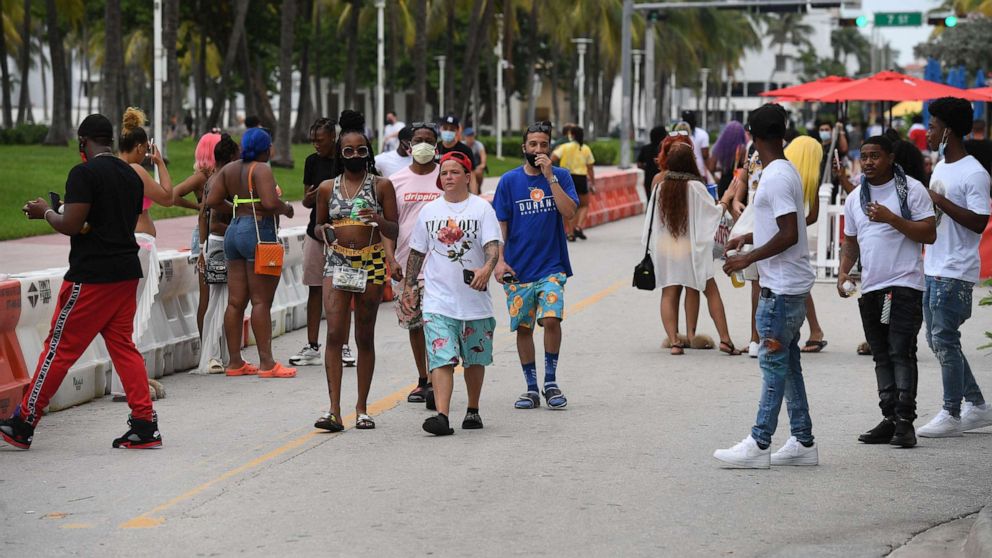
In the United States we've learned that collective and individual action can slow the spread of COVID-19. The progress seen in New York -- which recently reported zero deaths on a given day -- proves we can control the path of this deadly, destructive virus.
Despite these pockets of incremental progress, we've also learned that dealing with COVID-19 is a marathon, not a sprint, and that we as a country are falling short of what’s needed to slow the spread of the virus and safely inch back to normal.
Initial shelter-in-place orders helped temporarily slow the spread, but upended our lives, closing schools and workplaces across the country. Shelter-in-place allowed the health care system to prepare for a surge and was meant to buy us precious time to develop and implement an effective contact tracing strategy as well as build a high-volume testing capacity that could have helped limit the virus' spread.
Most of that, sadly, did not happen.

With the virus surging at ever-higher levels, we, once again, are on the brink of blanket restrictions that protect our health but also harm our economies and our psyches. With nearly 140,000 people in this country dead from COVID-19, and potentially hundreds of thousands more suffering the long-term health impact of this still-baffling disease, can we all finally agree to make the investments needed for America to vigorously respond to this pandemic?
Build the public health infrastructure now
We have to develop a robust public health workforce that will allow us to contain the spread of COVID-19. Other countries, including New Zealand and Taiwan that have beaten the virus or slowed its spread, already had the teams and infrastructure in place from their responses to past epidemic diseases. In the U.S., decades of disinvestment created a frayed and disjointed infrastructure that didn’t stand a chance against COVID-19.
The cost to create the public health workforce of high-volume testers, contact tracers, support systems to enable isolation, coordinated lab facilities and vaccinators is unavoidably huge and dwarfed by the economic fallout of a prolonged pandemic that will occur if we do not invest in these solutions now.
Do the advance work
This critical infrastructure is needed right now to stop the spread. And when a vaccine is developed, it will be needed even more to assist with distribution, administration and further containment. We are already hearing rumblings about limitations of distributing a vaccine. Will there be enough glass vials to accommodate the billions of doses needed globally, or will they fall short the way testing swabs are today?
Additionally, an effective vaccine does not guarantee eradication of COVID-19. Research is now showing that antibody-based immunity may only last for a few months after recovery for some people, leaving victims potentially vulnerable to reinfection. We must imagine that any vaccine could require periodic booster doses. What would that look like in the U.S. for a population of 330 million people? We may need to create permanent COVID-19 centers where Americans can receive these frequent injections.
These are the types of issues we need to think about now, so we can get ahead of problems instead of continuing to play catch-up, with devastating consequences.
Communicate honestly
Perhaps the greatest travesty of this pandemic has been the mistrust and skepticism toward the scientific and public health communities sown through politicization and misinformation about the novel coronavirus.
The facts are simple: this disease does not discriminate based on political party, or whether you believe in it. Testing is essential to uncover cases and does not “create” new ones.
For the greater good, we must not only back down from the rhetoric, we have to redirect tremendous resources into communicating to the public the truth about the virus and the effective, proven steps everyone can take to reduce its spread.
Public health campaigns work. According to the Centers for Disease Control and Prevention, more than 1.8 million smokers attempted to quit smoking because of its nine-weekslong 2014 "Tips From Former Smokers" campaign.
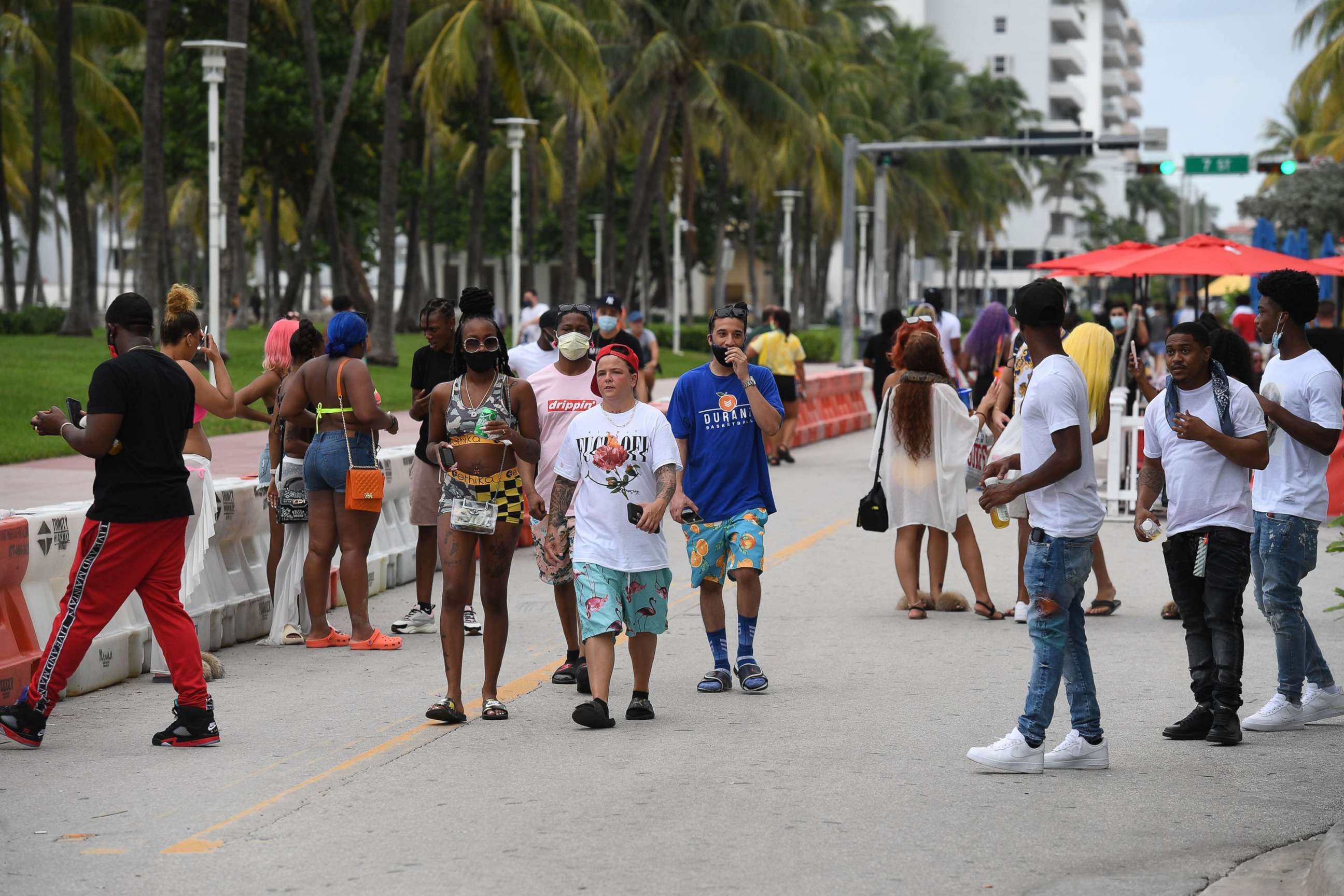
With the viral nature of today’s mass communication channels we can save lives if we can first undo the harm that misinformation has already caused and replace those messages with ones that will save lives. Think about the power of the ALS ice bucket challenge. Now the message to get out is about wearing masks. Physical distancing. Washing hands. Staying home if you’re ill. These steps are all slightly inconvenient but simple to execute and hugely effective -- if we can convince people to do them.
We should not fool ourselves that COVID-19 may be the last pandemic in our lifetimes. A functioning society, for the foreseeable future, will necessarily include the public health professionals who can identify, isolate and mitigate this virus and potentially others.
No level of normal will be possible without that vital change.
Dr. Jay Bhatt is a practicing internist, an Aspen Health Innovators Fellow, and an ABC News contributor. Dr. Bechara Choucair is a physician and chief health officer at Kaiser Permanente. His book, "Precision Community Health: Four Innovations for Well-being," was published in May.