No good news for hydroxychloroquine as COVID-19 treatment, new study shows
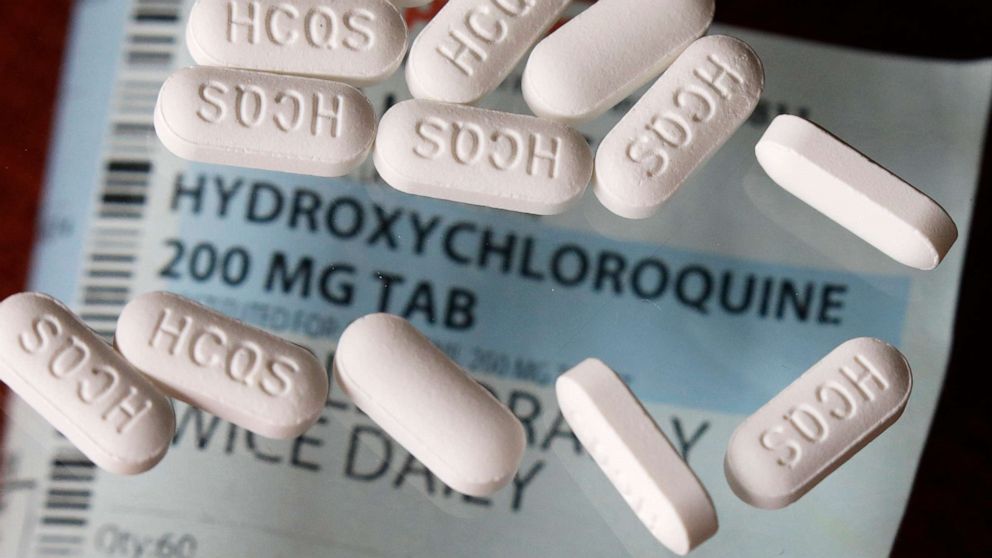
The results of a new study, which show that hydroxychloroquine is not effective against COVID-19 and is associated with cardiac arrest, could prove to be the final straw for the malaria drug that President Donald Trump repeatedly promoted as a promising treatment for the virus.
The study, which was published Monday in the Journal of the American Medical Association, examined more than 1,400 patients with COVID-19 in New York City area hospitals and found that those who were treated with hydroxychloroquine had a similar death rate to those were were not treated with the drug.
When patients received a combination treatment of hydroxychloroquine and an antibiotic, they were more than twice as likely to experience cardiac arrest as those who did not receive either drug.
The study was retrospective, meaning it looked at already-recorded data, rather than a randomized controlled trial involving a control group that takes a placebo drug. Researchers at other institutions will continue to study hydroxychloroquine as a potential COVID-19 treatment.
The new study comes after a review, published last month in JAMA, summarized what's currently known about medical therapies used to treat COVID-19, and concluded that "no therapies have been shown effective to date."
Researchers at UT Southwestern analyzed evidence on major proposed COVID-19 treatments published by the end of March 2020 and written in English. They found no strong evidence that any potential COVID-19 therapy is effective.
They also found that there's no proven therapy to help ward off COVID-19 in patients who are not already infected.
"The article is a refreshing reminder that no therapy is yet proven to work, including drugs like chloroquine that we have heard so much about," said Dr. Kathryn Stephenson, director of the Center for Virology and Vaccine Research Clinical Trials Unit at Beth Israel Deaconess Medical Center in Boston.
The April JAMA review serves as a stark reminder that despite the hype, there have been no large randomized controlled trials, which are considered the gold standard of medical research.
A randomized controlled trial is an experiment in which researchers compare half of a group that receives a new drug to half who receive a placebo. This allows researchers to accurately compare the performance of new, experimental therapies. Without a placebo group for comparison, there's no way to know for sure if a drug really makes a difference.
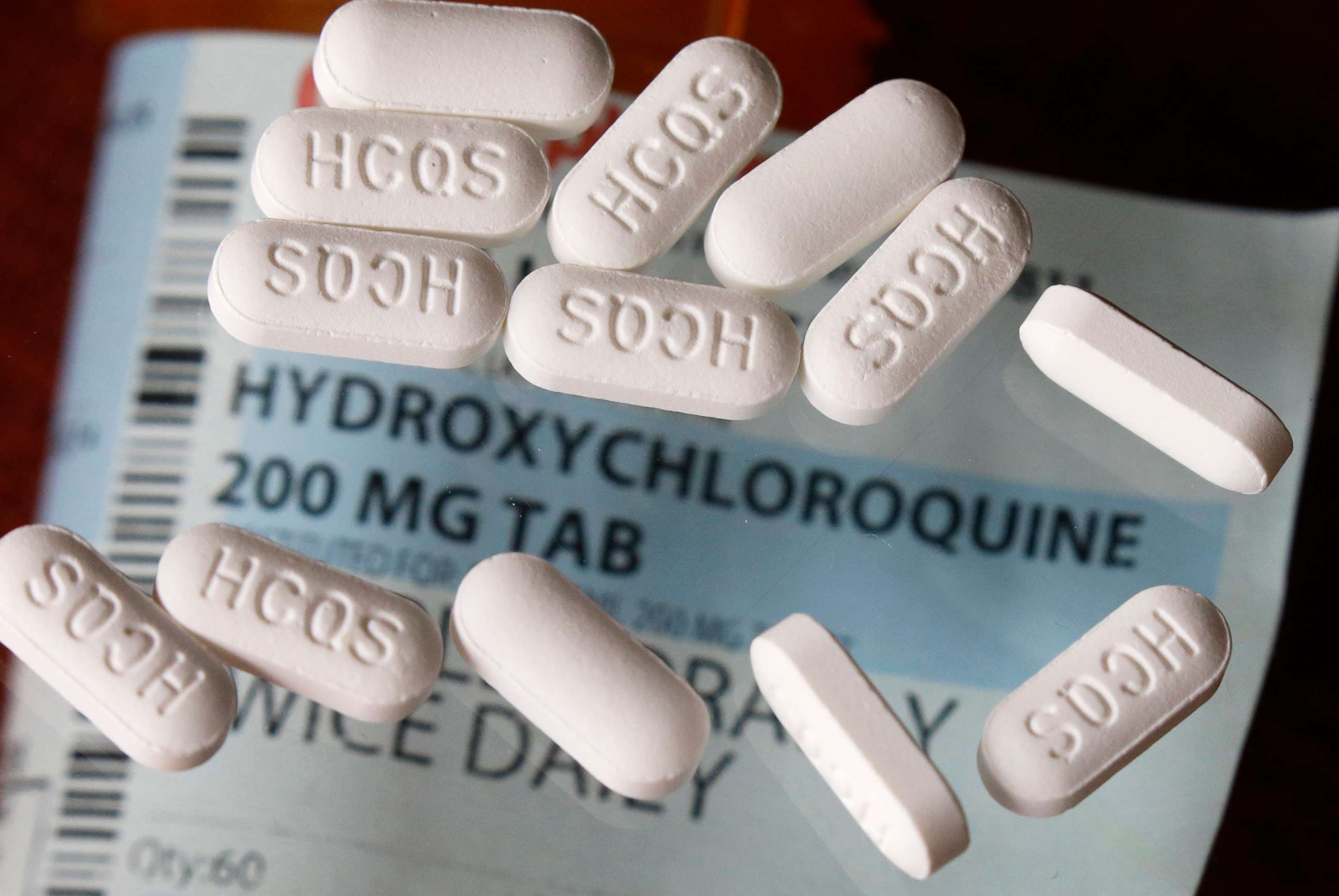
President Donald Trump, during a meeting with patients who have recovered from the disease in April, repeated his assertion that patients with COVID-19 should try the unproven anti-malaria drug hydroxychloroquine.
However, the April JAMA review found no high-quality evidence demonstrating efficacy of hydroxychloroquine or its chemical cousin, chloroquine, to treat COVID-19. Although one small study in France revealed promising results that chloroquine may help -- touted by Trump -- the authors of the April JAMA paper contend that the study suffered from serious design flaws.
"The number of problems in that paper is just staggering," said Dr. Dan Culver, a pulmonologist and director of clinical COVID trials at Cleveland Clinic. "It's a good case study of how to not do a medical study."
The authors of the April JAMA paper found that additional studies on chloroquine/hydroxychloroquine, antiretrovirals, and immunoglobulin therapy were poorly designed, offered inaccurate comparisons, exposed safety concerns, or included too few patients to draw any conclusions.
Experts explained that the urgency of the pandemic may be compelling medical journals to cut corners, minimizing the typically rigorous, months-long peer-review process for the sake of getting information out to the public faster.
"Frankly, medical journals have also been stuck in a hard situation. They want to carry the key information and get data out," Culver said. "But I think standards for publishing have been dramatically lowered in this pandemic. Flimsy data is published in medical journals in a way that would normally undergo much more scrutiny."
The April JAMA study recommends that patients with COVID should not receive steroids. Additionally, authors echo guidelines that patients should continue their ACE-inhibitors, a type of blood pressure medication. Finally, there is promising test tube data to suggest that the antiviral drug remdesivir might successfully treat COVID-19, although studies in people are still too limited to draw any conclusions.
Beyond that, medical experts have said everyone should remain cautiously optimistic about the many COVID-19 treatments currently being tested, noting that the virus has only been known about for four months and that rigorous scientific inquiry takes time.
Scientists continue working hard on developing and evaluating therapies. Drugs including remdesivir and chloroquine/hydroxychloroquine are being further tested among 300 other ongoing COVID-19 clinical trials, many of which are placebo-controlled, high -quality studies.
"It is important to remember that this paper doesn't say that these drugs are not effective -- only that they have not yet been proven effective," Stephenson added. "We are hopeful that we will get some positive answers from these rigorous studies in the near future."
Tiffany Kung, M.D., a resident physician at Presbyterian/St. Luke's Hospital in Denver, is a contributor to the ABC News Medical Unit.
Editor's note: This story initially misidentified the institution the researchers are affiliated with.