Serious COVID-19 vaccine reactions are rare, says new CDC report
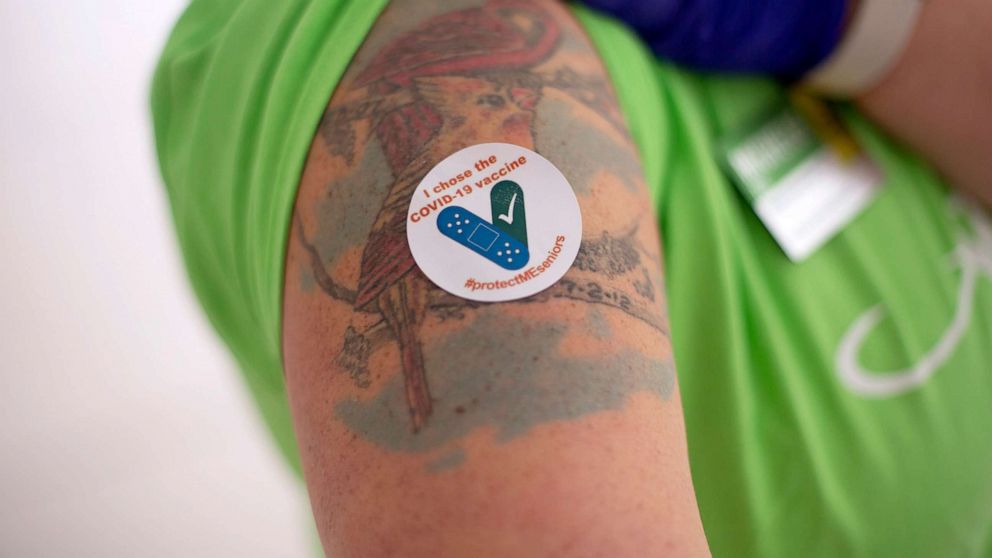
In clinical trials, the Pfizer and Moderna COVID-19 vaccines demonstrated low rates of serious adverse events. Now, real-world data from the first month of vaccine administration in the U.S. corroborates that data.
A new report from the CDC looks at numbers from VAERS, a government-monitored vaccine safety portal where health care workers in the U.S. are required to report adverse events after vaccinations.
In a month where nearly 14 million vaccine doses were administered, only about 7,000 reports were sent to VAERS – 91% of which described mild events, such as headache, fatigue and dizziness.
Anaphylaxis, a vaccine reaction that garnered wide media coverage, was found to be uncommon: 62 total cases were reported, at a rate of 4.5 per million doses – comparable to the rate of anaphylaxis with other common vaccines.
Amid the 14 million doses, 113 deaths were reported to VAERS; 78 from long-term care facilities and 35 outside of facilities – and so far, none of those deaths have been directly linked to the vaccine.
The data is not entirely surprising, says William Schaffner, M.D., a professor of preventive medicine and infectious disease at Vanderbilt University Medical Center.
"The comprehensiveness of the safety evaluation has been better than we've done for any licensed vaccine that we've used in the United States," he told ABC News. "The clinical trials of both vaccines were very extensive, and both of them showed very low rates of serious adverse reactions."
The CDC also collected patient-reported data from v-safe, a smartphone app for reporting adverse events voluntarily. Of the 1.6 million vaccine recipients who participated, the majority reported mild side effects such as injection site pain, fatigue, headache and chills. These symptoms were reported to be most prominent in the first day after injection – and worse with the second dose – but improved on every subsequent day, disappearing by day 3 or 4.
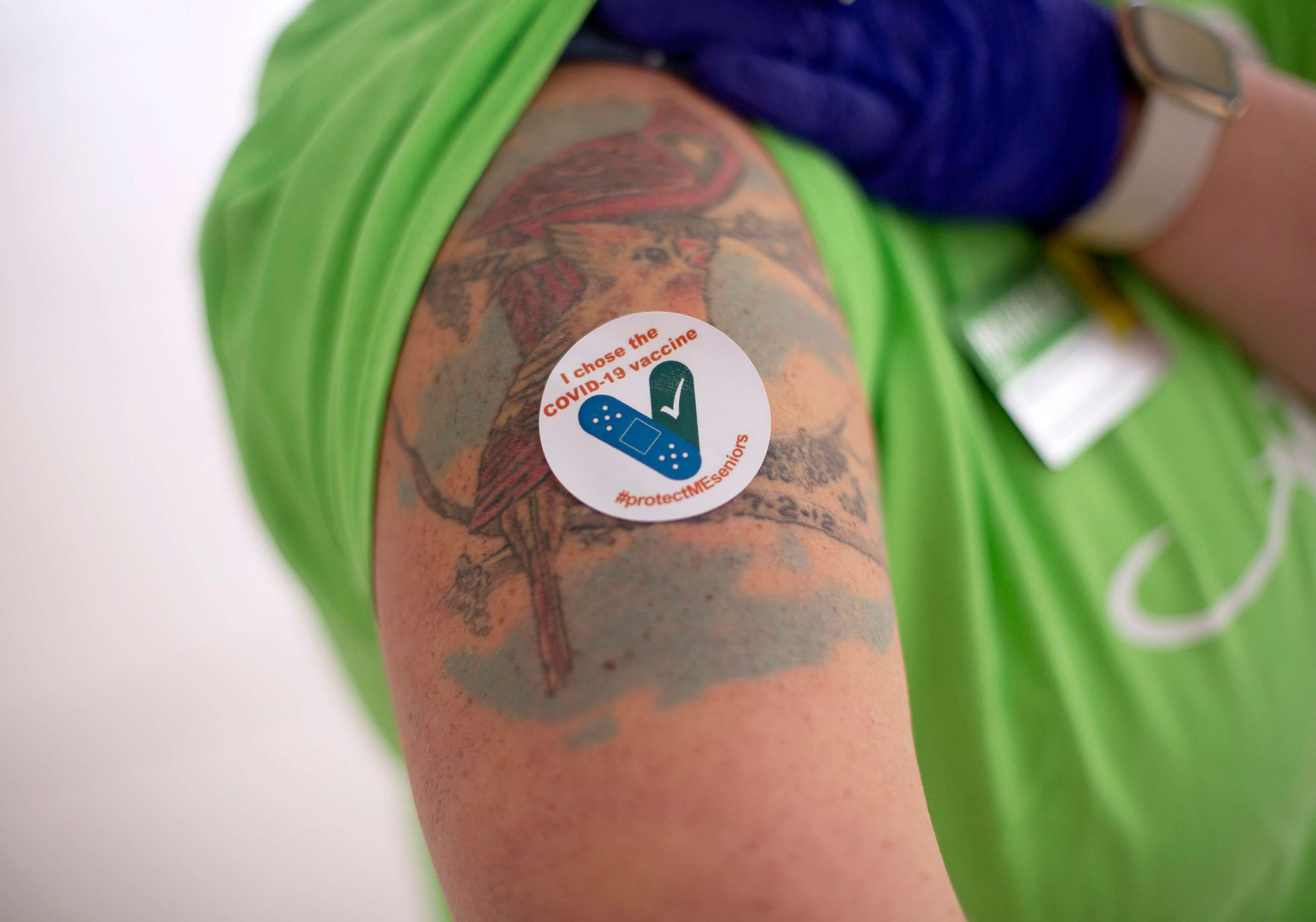
The app also collected data on pregnancy status, and the nearly 11,000 women who reported to be pregnant will be followed in a dedicated registry.
The CDC's data is limited, as it relies heavily on self-reported data. For example, in both the VAERS and v-safe reports, most adverse events were noted in women. But as Schaffner describes, this does not necessarily mean that women are more prone to reactions.
"I'm more inclined to believe that it's a reporting bias," he said, describing the well-documented difference in health care utilization between men and women. "Women are more inclined to seek medical care and more inclined to report illness."
Those who judged the pace of the vaccine rollout as too hasty can rest assured by the CDC's reporting, says Schaffner.
"Now that we have data that is very well analyzed, from a really comprehensive series of surveillance systems, we can go beyond the very large studies and say, look, we're doing this in the real world, among your friends and neighbors," he said. "This vaccine continues to be very, very safe."
Eric Silberman, MD, a resident physician in internal medicine at Northwestern Memorial Hospital, is a contributor to the ABC News Medical Unit.