Damar Hamlin's collapse highlights importance of bystanders learning CPR

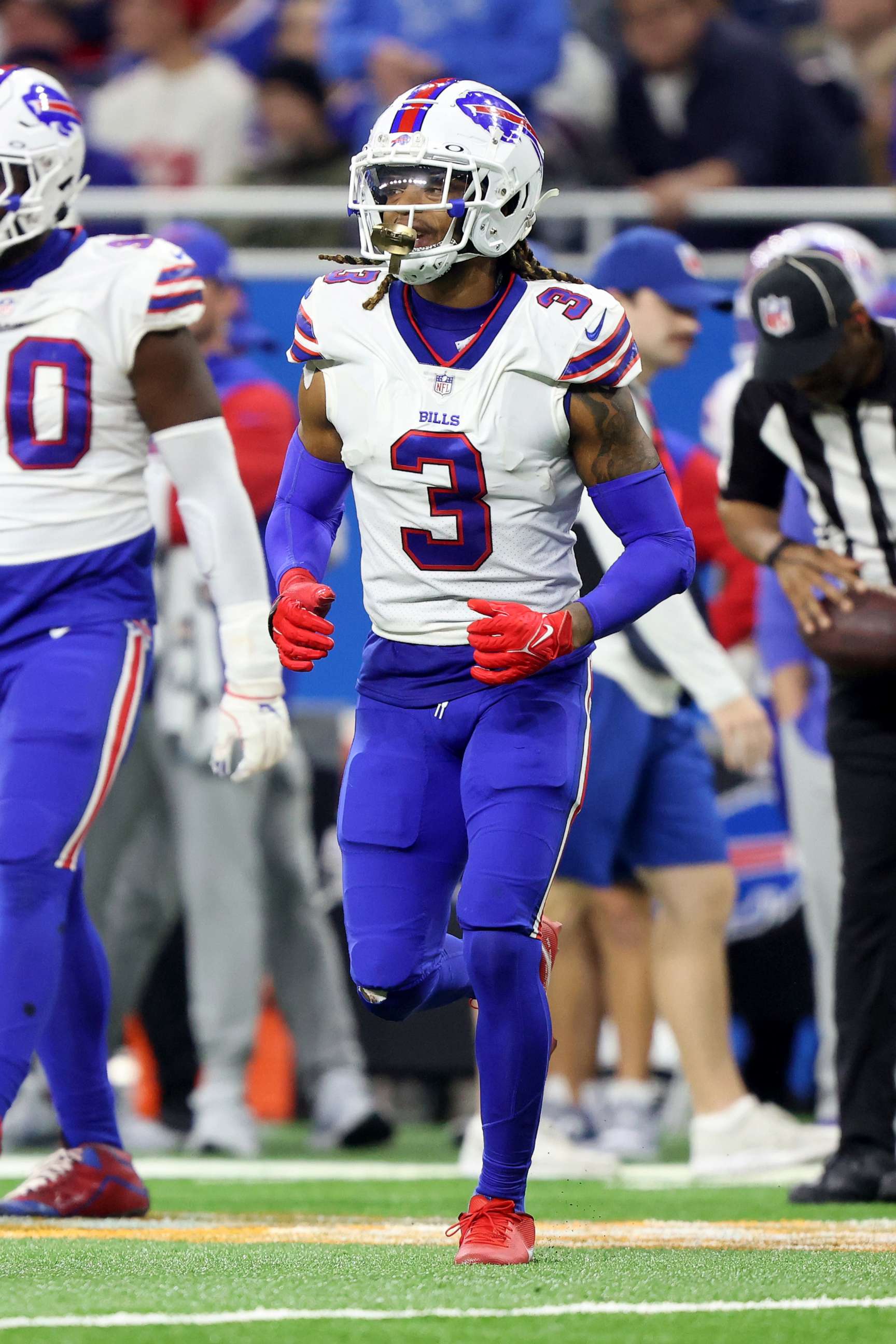
In the aftermath of Buffalo Bills safety Damar Hamlin's shocking collapse and cardiac arrest during Monday night's game against the Cincinnati Bengals, expert medical organizations highlighted the importance of bystanders learning to perform lifesaving CPR.
"All of us need to learn CPR. People don't realize that if someone is unconscious and not breathing and doesn't appear to be alive, that CPR is essential," Dr. Benjamin Abella, director of the Center for Resuscitation Science at the University of Pennsylvania, told ABC News.
During a cardiac arrest, the heart stops beating properly. More than 350,000 people suffer from cardiac arrest outside of the hospital each year, according to the American Heart Association. Of those cardiac arrests, 70% happen in homes and nearly 20% happen in public settings.
But less than half of those who have a cardiac arrest outside of a hospital are given CPR by people nearby -- even though it can double their chance of survival, research shows. Only about 10% of people who suffer out-of-hospital cardiac arrest survive, according to the AHA.
The AHA has guidelines outlining the steps people should take if they see someone suffering a cardiac arrest.
The first step is recognizing that someone is in cardiac arrest and calling 911. Someone might be in cardiac arrest if they collapse suddenly, lose consciousness, are not breathing on their own, are gasping for air or do not have a pulse. Next, bystanders should start CPR immediately, the AHA says, which can restore and maintain blood flow through the person's body until professional help arrives. If an automated external defibrillator (AED) is available, you should place it on the person while continuing CPR.
AEDs can help restore a normal heartbeat in some cases of cardiac arrest. You can often find AEDs in public spaces such as offices, stores and airports. They provide step-by-step instructions and voice prompts to assist someone in cardiac arrest.
Following these steps can improve the chances of survival and recovery for people who have a cardiac arrest out of the hospital.
There are free online resources from medical organizations such as NewYork-Presbyterian and the AHA that teach people the basics of CPR. Training is also widely available in the United States. In a survey of nearly 10,000 people in the U.S. in 2015, 65% reported having CPR training at some point.
When performing CPR, you should push on the chest with at least 100 compressions per minute. That's applying compressions to the beat of songs like "Stayin' Alive" by the Bee Gees or "Just Dance" by Lady Gaga. NewYork-Presbyterian curated a playlist of songs on Spotify that fit the necessary rhythm.
Many people who witness a cardiac arrest, though, don't step in to perform CPR.
There are racial disparities among the individuals who commonly receive bystander CPR. Black and Hispanic adults are less likely to get CPR from bystanders than white adults, according to a study in the New England Journal of Medicine. People in the United States are less likely to initiate CPR for people with cardiac arrest in low-income, predominantly Black or Hispanic neighborhoods than in high-income white neighborhoods, the study showed.
People said they'd be reluctant to perform CPR, even if they're trained, out of fear of causing additional harm. But Good Samaritan laws in place in all 50 U.S. states protect civilians who step in to help during an emergency from legal liability in many cases.
You can find CPR training in your area here.
Shelbi A. Swyden, MD, is an emergency medicine resident at Wyckoff Heights Medical Center in Brooklyn, New York, and is a part of the ABC News Medical Unit.
ABC News' Nicole Wetsman contributed to this report.