3 dead in suspected hantavirus outbreak aboard a cruise ship: What to know
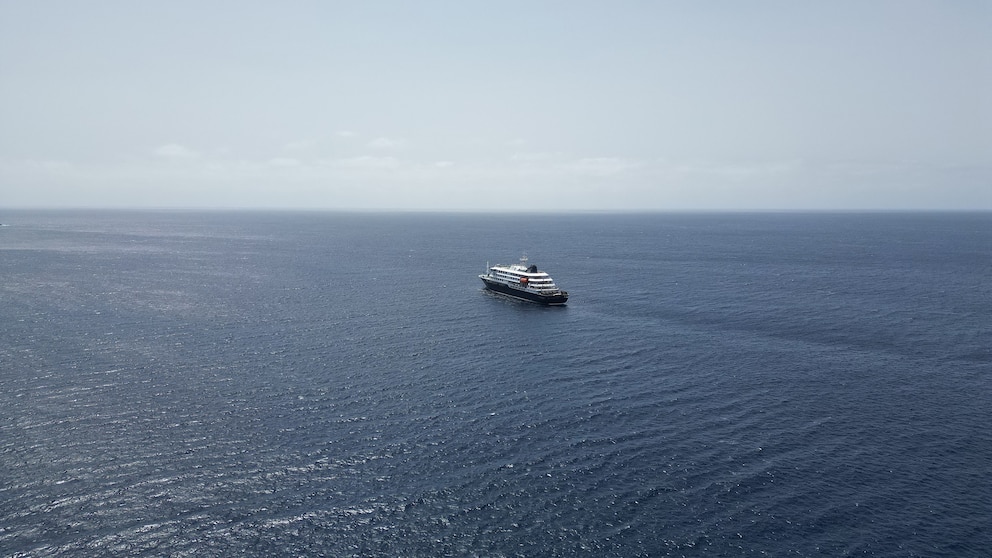
A rare rodent-borne disease may be behind a deadly outbreak aboard a cruise ship.
There have been two laboratory-confirmed cases and five suspected cases of hantavirus, according to the World Health Organization (WHO). Of those seven people, three have died between April 11 and May 2 and one is currently in intensive care, according to the WHO.
The WHO said Monday that investigations into the deaths and illnesses are ongoing, including further laboratory testing.
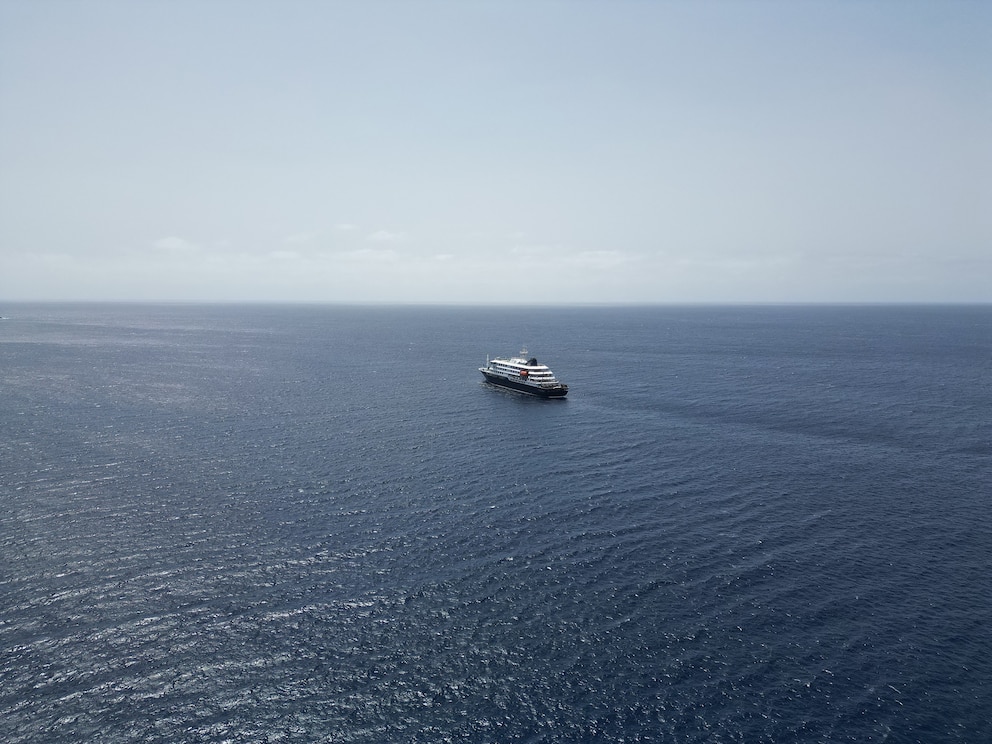
The outbreak was reported on the MV Hondius, run by Oceanwide Expeditions, which was traveling between Argentina and the Canary Islands via Cape Verde.
Currently, the ship is off the coast of Cape Verde with 149 people on board representing 23 different nationalities, Oceanwide Expeditions said in a press release on Monday.
Here's what you need to know about the outbreak, what hantavirus is and how it spreads.
Timeline of the outbreak
South African health officials said in a statement on Monday that the first two deaths occurred in a married couple from the Netherlands. The 70-year-old male passenger became ill first with a fever, headache, abdominal pain and diarrhea starting on April 6. He passed away on board on April 11, according to Oceanwide Expeditions. No microbiological test were performed, according to the WHO.
The deceased passenger's wife, 69, went ashore at St. Helena, a British territory in the South Atlantic Ocean, on April 24 with gastrointestinal symptoms, according to health officials. She collapsed at Johannesburg O.R. Tambo International Airport while trying to connect to fly home to the Netherlands on April 25, and was taken to a medical facility in nearby Kempton Park, according to health officials. She passed away on April 26, and her laboratory test results have come back positive for hantavirus, according to the WHO.
Another patient, a British national, fell ill while the ship was traveling from St. Helena to Ascension, also a British territory, according to the South African health officials' statement. The passenger began showing symptoms on April 24 and he was medically evacuated from Ascension to South Africa on April 27, according to the WHO.
"Despite medical treatment provided to him at Ascension, his condition did not improve and necessitated his medical evacuation to a South African private health facility in Sandton for further medical management," South African health officials said.
The patient is currently in critical condition in isolation but receiving medical attention, according to health officials, who said his laboratory test results came back positive for hantavirus.
A fourth passenger presented with pneumonia symptoms starting on April 28, according to the WHO. The German woman died on May 2 from causes not yet known, according to Oceanwide Expeditions.
Meanwhile, there are three symptomatic people who remain on board the MV Hondius with suspected hantavirus cases, according to the WHO.
Two crew members -- one of British nationality and one of Dutch nationality -- have acute respiratory symptoms. One has a mild illness and the other severe symptoms, with both requiring urgent medical care, Oceanwide Expeditions said.
A third person also remains on board reporting high fever and/or gastrointestinal symptoms, according to the WHO.
No other people with symptoms have been identified, Oceanwide Expeditions said Monday.
Guests will not be disembarking in Cape Verde, expect for the three people who will be medically evacuated, according to Oceanwide Expeditions.
"At this stage, a definitive disembarkation point for the remaining guests on board m/v Hondius has not been finalized," the company said Monday. "Sailing on to Las Palmas or Tenerife is being considered, where further medical screening and handling could take place, organized and supervised by the WHO and Dutch health services."

"Strict precautionary measures are in process on board, including isolation measures, hygiene protocols and medical monitoring. All passengers have been informed and are being supported," the company said. "We understand the considerable interest and concern and will share new information as soon as it has been verified."
WHO Director-General Dr. Tedros Ghebreysus said in a post on X on Sunday that the organization is working closely with both member states and ship operators in response to the suspected hantavirus cases.
"WHO is facilitating medical evacuation of two symptomatic passengers, conducting a full risk assessment, and supporting affected people onboard," Ghebreysus wrote.
What is hantavirus?
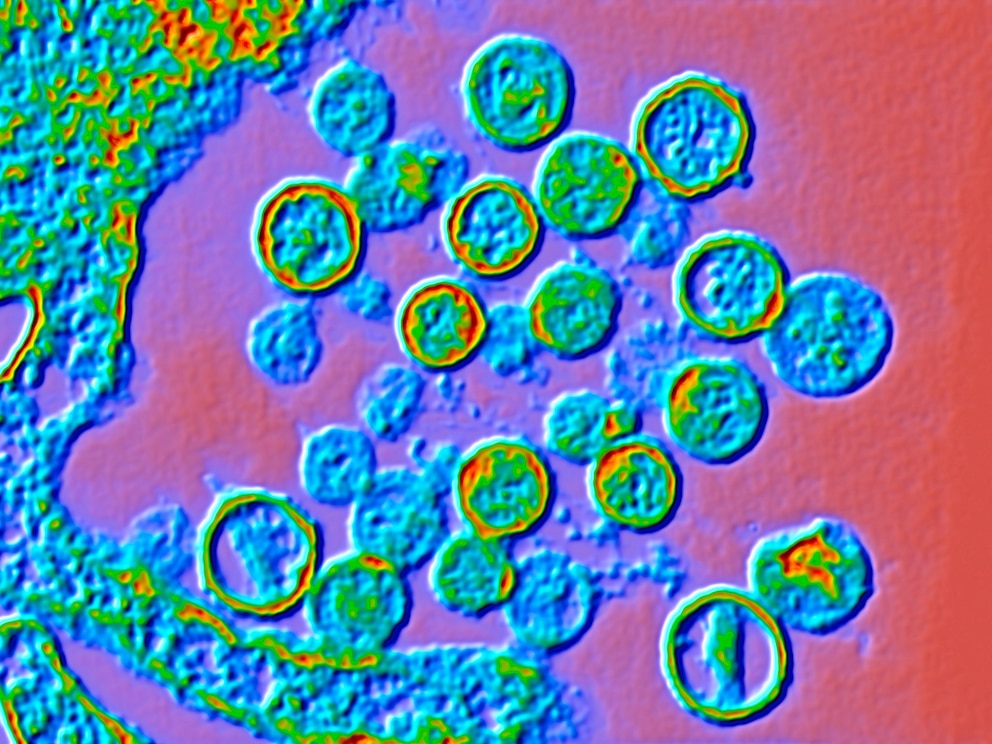
Hantaviruses are a family of viruses that can cause serious illnesses and death, according to the Centers for Disease Control and Prevention (CDC).
The viruses cause two syndromes: hantavirus pulmonary syndrome (HPS) and hemorrhagic fever with renal syndrome (HFRS). HPS is mostly found in the Western Hemisphere, including the U.S., and HFRS is mostly found in Europe and Asia.
Surveillance for hantavirus in the U.S. began in 1993 during an outbreak in the Four Corners region, where Arizona, Colorado, New Mexico and Utah meet, the CDC said. Between 1993 and the end of 2023, 890 cases of hantavirus disease have been reported in the U.S., according to the CDC.
Hantavirus became more widely known after being identified as the cause of death of the wife of actor Gene Hackman after the couple was found dead at their New Mexico home in February 2025.
How does hantavirus spread?
Hantaviruses are usually spread through rodents, including rats and mice, mostly from exposure to urine, droppings or saliva. Although the viruses can spread through a rodent bite or scratch, such infection is rare, the CDC says.
Hantaviruses may also spread from person to person but that also is rare and only suspected for one subtype from South America, according to the WHO.
What are the hantavirus symptoms?
HPS symptoms typically appear from one to eight weeks after contact with the virus, with early signs including fever, fatigue and muscle aches, according to the CDC. Half of HPS patients will experience headaches, chills, dizziness, nausea, vomiting, diarrhea and abdominal pain.
The CDC says that between four and 10 days after the initial phase of illness, the late symptoms will appear, including coughing, shortness of breath and tightness in the chest as the lungs fill with fluid.
About 38% of people who develop HPS respiratory symptoms may die from the disease, according to the CDC.
Symptoms of HFRS usually develop one to two weeks after exposure and typically include intense headaches, fever, chills, back pain, abdominal pain, nausea and vomiting, the CDC says.
Later symptoms may include low blood pressure, lack of blood flow, internal bleeding and acute kidney failure. Depending on the virus causing the infection, fatality among infected humans can range from less than 1% to as high as 15%, the CDC says.
What hantavirus treatments are available?
No specific treatment is available for hantavirus infection, with the CDC recommending patients receive supportive care such as rest, hydration and treatment of symptoms.
Because HPS can cause breathing difficulties, patients may need breathing support, such as intubation, the CDC says.
Because HFRS can disrupt kidney function, infected patients may need dialysis to remove toxins from the blood, according to the CDC.