• Video
  • Shop
  • Culture
  • Family
  • Wellness
  • Food
  • Living
  • Style
  • Travel
  • News
  • Book Club
  • Newsletter
  • Privacy Policy
  • Your US State Privacy Rights
  • Children's Online Privacy Policy
  • Interest-Based Ads
  • Terms of Use
  • Do Not Sell My Info
  • Contact Us
  • © 2026 ABC News
  • Wellness

As the deep chill thaws, stay vigilant to avoid catching a cold
1:13
File
How to stay safe in cold
Angela Weiss/AFP/Getty Images
ByEric M. Strauss
February 01, 2019, 8:56 PM

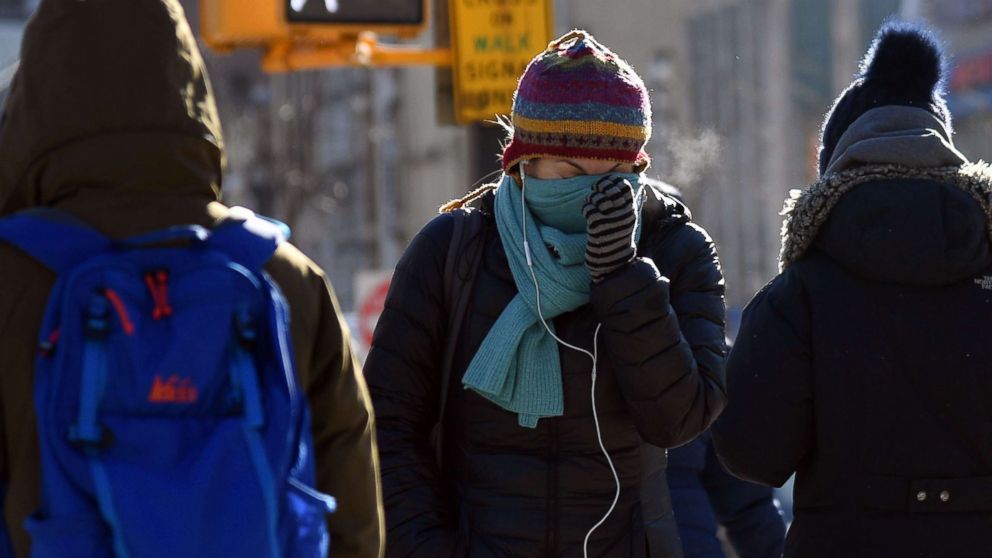
The weather outside has been dangerously frightful for much of the nation.

The extreme cold is also very dangerous for our health. There's frost bite, hypothermia and increased risk for respiratory tract infections.

“The extreme cold temperature effects white blood cells, so cold temperatures are a liability in fighting infection,” Dr. Len Horovitz, a pulmonologist and internist at New York's Lenox Hill Hospital, told ABC News.

The good news is that the deep freeze is going to start to thaw with warmer temperatures on the way, according to ABC News meteorologists.

Related Articles

(MORE: Death toll in deep freeze reaches 18, as weekend temperatures could feel 50 to 100 degrees warmer in some cities)

But the warmer weather has some people asking: Are the rapid swings in temperatures bad for my health?
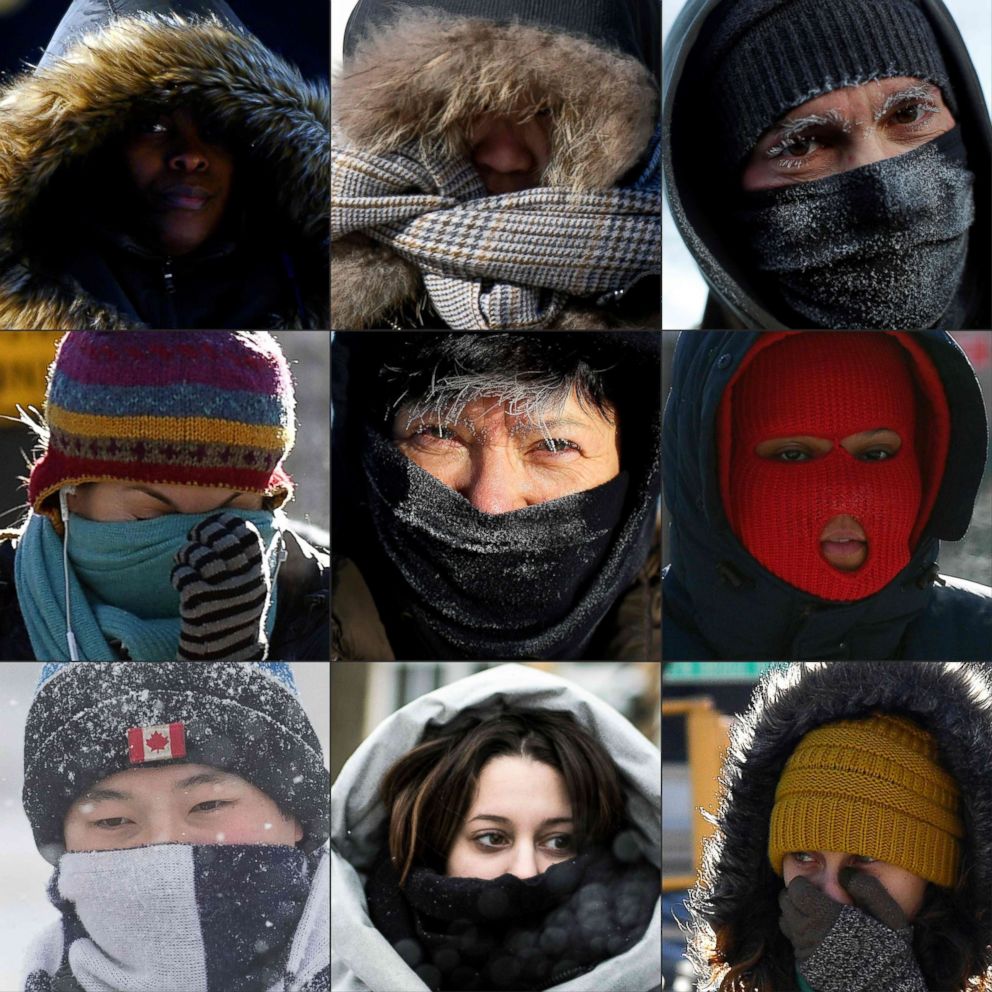
This combination of pictures taken 30 and 31st of January 2019 shows pedestrians protecting their faces from the cold in New York, Washington, Chicago, in Kingston, Ontario, Montreal and along Lake Michigan.
AFP/Getty Images

Horovitz said a person is no more likely to get a cold or the flu when the mercury dramatically heats up in a short time.

“You catch cold and flu from other people, not from the weather,” he noted.

He added, “The warming up will not put people at greater risk of catching a bug but people should not let down their guard. It’s still cold and flu season so stay vigilant. Dress for the weather, wash your hands frequently, don’t put your hands near your face.”

Horovitz said people tend to be more social as the weather warms and go out more frequently. That means being exposed to more people -- and more germs.

Unlike extreme low temperatures, a rapid increase doesn’t have the same impact on white blood cells so it’s unlikely to compromise your immune system, he explained.

"High temperatures do not have that effect," he said.

His final word of advice: don't let down your guard.

“Keep washing your hands thoroughly, both sides with warm soapy water and don’t touch your face,” he said.

Remember, flu season usually doesn't end until March.

Related Articles

(MORE: Flu season is here: What you need to kno)

Eric M. Strauss is the managing editor of the ABC News Medical Unit and welcomes your feedback on Twitter: @ericMstrauss.


Up Next in Wellness—

Former White House COVID-19 response coordinator answers hantavirus questions

May 8, 2026

Many Medicare enrollees can get GLP-1 drugs for $50 starting in July

May 7, 2026

Online platform agrees to stop selling GLP-1 drugs to US customers

May 6, 2026

Parents of baby boy who was 'born twice' speak out

May 4, 2026

Shop GMA Favorites

ABC will receive a commission for purchases made through these links.

Sponsored Content by Taboola

The latest lifestyle and entertainment news and inspiration for how to live your best life - all from Good Morning America.
  • Contests
  • Terms of Use
  • Privacy Policy
  • Do Not Sell My Info
  • Children’s Online Privacy Policy
  • Advertise with us
  • Your US State Privacy Rights
  • Interest-Based Ads
  • About Nielsen Measurement
  • Press
  • Feedback
  • Shop FAQs
  • ABC News
  • ABC
  • All Videos
  • All Topics
  • Sitemap

© 2026 ABC News
  • Privacy Policy— 
  • Your US State Privacy Rights— 
  • Children's Online Privacy Policy— 
  • Interest-Based Ads— 
  • Terms of Use— 
  • Do Not Sell My Info— 
  • Contact Us— 

© 2026 ABC News