Is delta more dangerous for children? Pediatrician answers top back-to-school questions
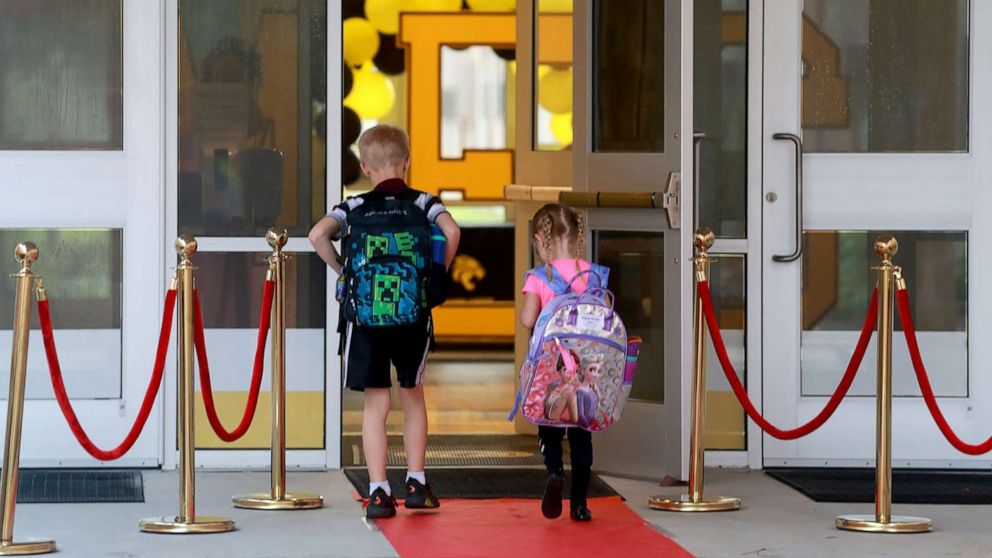
With the hyper-transmissible delta variant driving a new COVID-19 surge, many families are wondering if it's safe to send young children back to school for in-person learning.
Once again, the Centers for Disease Control and Prevention is recommending that adults and children wear masks in schools. Meanwhile, a COVID-19 vaccine isn't likely to be available for children under 12 before the end of the year.
But Dr. Edith Bracho-Sanchez says that with the right precautions in place, children will benefit from in-person learning this year.
"I understand it is nerve-racking," Bracho-Sanchez, a primary care pediatrician and assistant professor of pediatrics at Columbia University Irving medical center explained in a conversation with ABC News on Instagram Live.
"Let's trust the science. Let's take a deep breath."
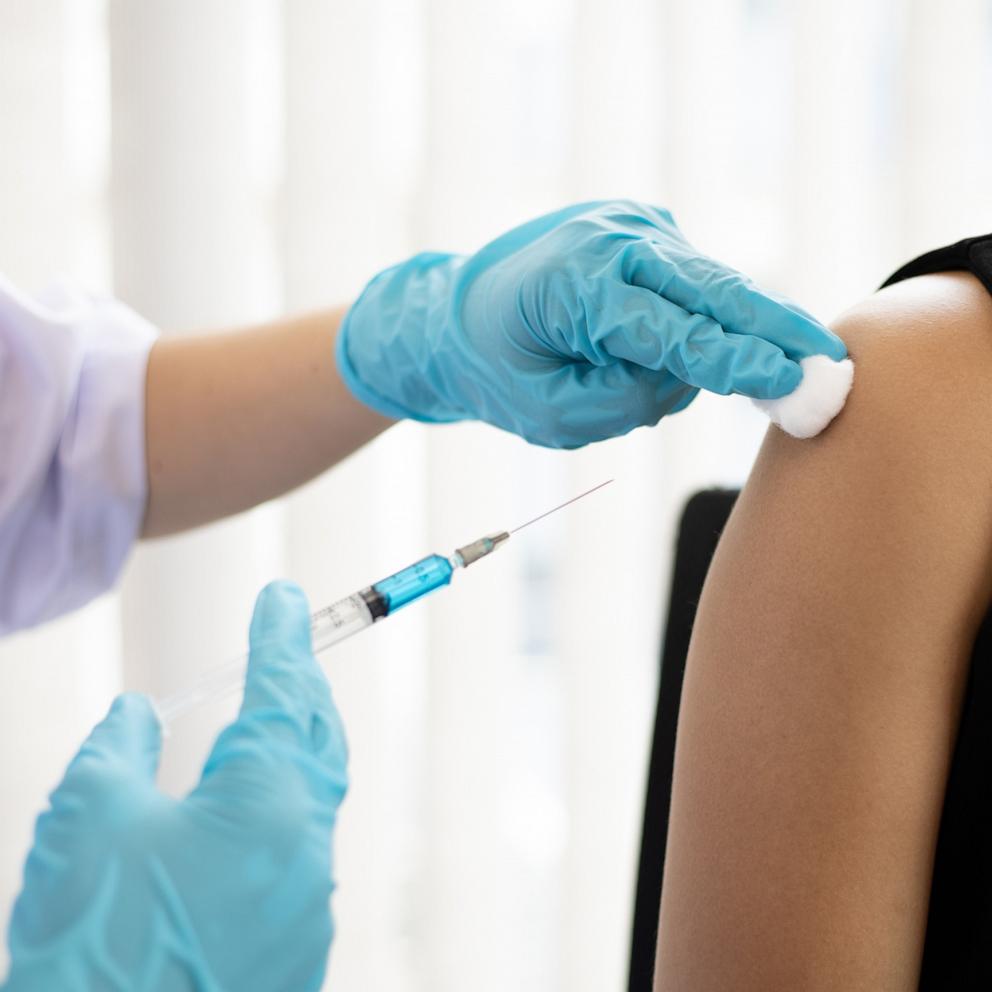
Experts agree that best and most important step adults can take to keep kids safe is to get vaccinated themselves.
Experts agree that the best step adults can take to keep kids safe is to get vaccinated themselves. Children are less likely to become infected with the virus if all the adults around them are immune, creating an invisible ring of protection.
Is delta more dangerous for children?
Data is still emerging on the new delta variant. For example, it's still not clear if the variant causes more severe illness in adults and children, though the National Institutes of Health director Francis Collins recently told CNN the data is "tipping" that way.
But the real danger of delta is that it's highly contagious and now surging in communities with low vaccination rates. The CDC now recommends that everyone in school settings -- vaccinated or unvaccinated -- wear a mask to slow transmission.
"I know it is frustrating, but it really, truly does make sense and we should be doing it," Bracho-Sanchez said.
How can parents help kids prepare for in-person learning?
Bracho-Sanchez says children will benefit from in-person learning, but parents should be empowered to advocate with their school district to ensure the learning environment is as safe as possible.
At home, parents can help children transition by asking them about how they're feeling about going back to a classroom.
"You know, I've seen kids who have seen too much and have been through too much in the past year and a half," said Bracho-Sanchez. "Some have witnessed family members passing away … and we're now going to ask them to make a transition and to perform at a level that they haven't really been supported to perform at once the school year starts again."
Bracho-Sanchez said she reminds her patients to go back to the basics: Get the school year off on the right foot by ensuring children are getting outdoor time, nutritious food and plenty of sleep.
"Once we've implemented all of those basics, we can also start having conversations about how kids are feeling about going back to school," she said. "All it takes is creating this space and asking those questions."
Should I consider holding my child back to catch up after last year?
Some schools might recommend certain children be held back a grade to make up for last year. But according to Bracho-Sanchez, this decision shouldn't be taken lightly.
"We know we have studies ... we have data ... that show that kids who have been held back a grade actually are at higher risk of dropping out in the future," she said.
Parents and teachers should help students achieve while staying in their own grade, she said, and parents are encouraged to reach out to their pediatrician if a school recommends holding a child back.
Parents are encouraged to reach out to their pediatrician if a school recommends holding a child back.
"I think there's a lot the parents can do," she said. "Now is the time to come together as a community."