'We’ll take them all': Demand for ventilators spikes as coronavirus looms
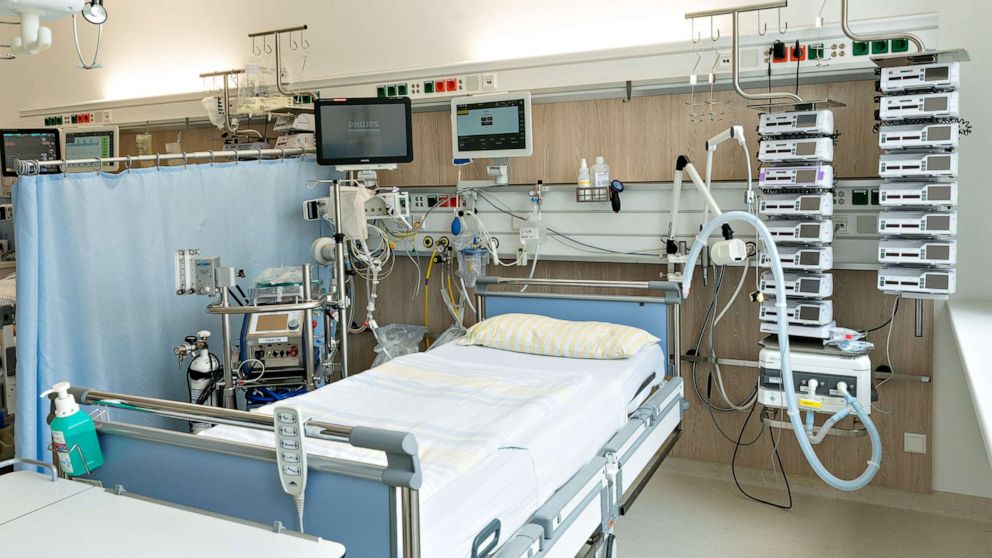
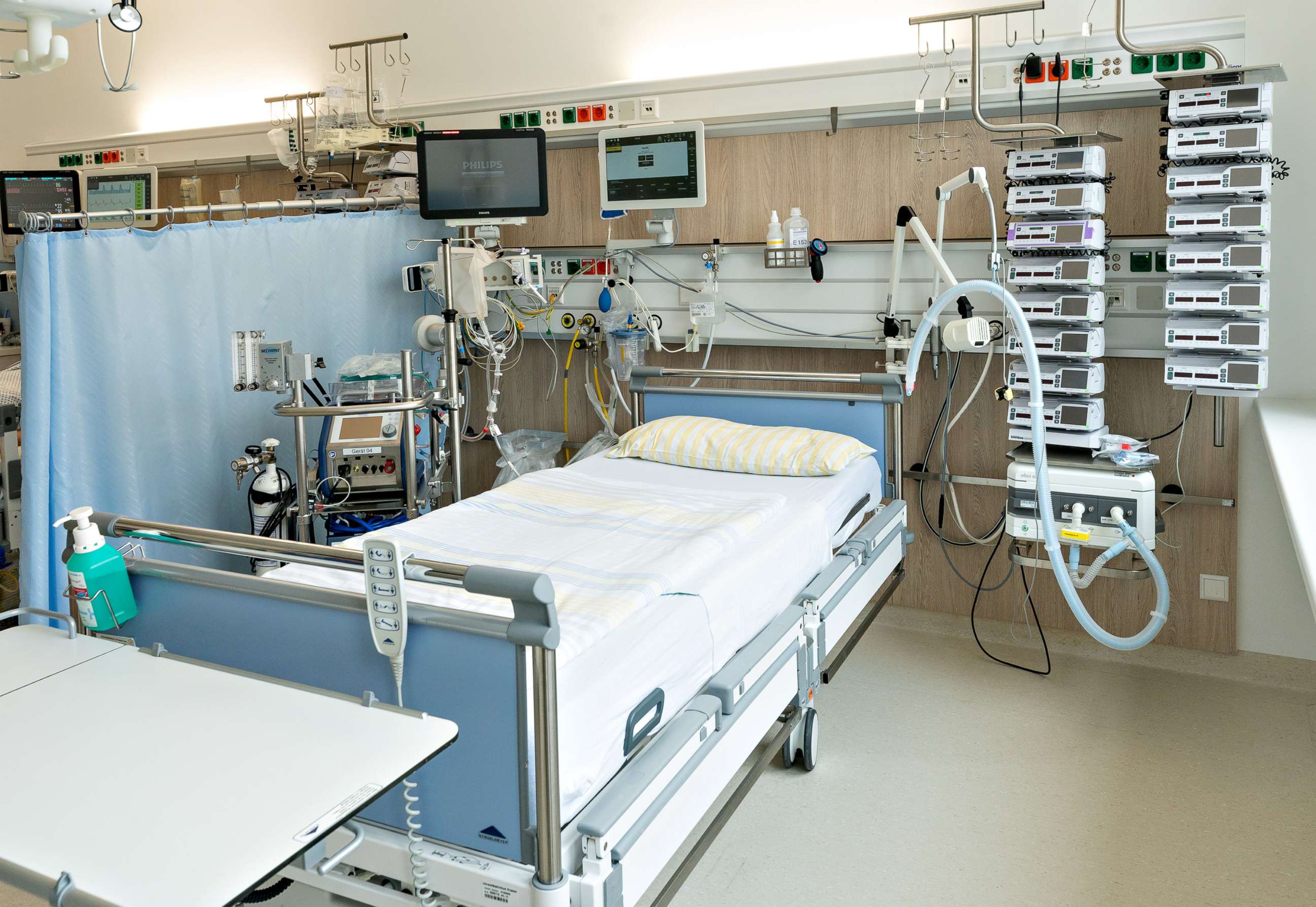
As hospitals brace for the possibility that a crush of coronavirus patients could descend on American hospitals, health officials are attempting to get ahead of a sudden demand for ventilators -- breathing machines that have proven essential in saving lives around the world during the spread of the illness.
"We have a lot of ventilators in reserve," said Dr. J. Randall Curtis, a past-president of the American Thoracic Society and professor of medicine at University of Washington, who is on the front lines of the battle against the virus at Harborview Medical Center in Seattle. But he added, “If we hit numbers where all those ventilators are in use … I think we could wind up being in trouble.”
While public health experts initially focused on the need to increase the availability of diagnostic tests to identify the virus, hospitals are turning their attention to insuring they are outfitted with enough of the high-tech breathing machines (and the staff to operate them) to support the potential need.
Asked about the possibility of a ventilator shortage during a press conference in the Rose Garden on Friday, President Donald Trump said his advisers have recognized the demand, and are attempting to address it.
What to know about Coronavirus:
- How it started and how to protect yourself: Coronavirus explained
- What to do if you have symptoms: Coronavirus symptoms
- Tracking the spread in the US and Worldwide: Coronavirus map
"We're in the process, and in some cases have already done it, ordered a large number of respirators just in case," Trump said. "We hope we don't need them but we've ordered a large number."
But the challenge could be daunting. While a number of companies around the globe make the ventilators used in the U.S. health care system, they are also fielding a surge in orders from medical facilities in other countries.
Earlier this week, Italian doctor Daniele Macchini posted a searing description of the shortage, as patients who needed help breathing could not find an available machine: "Every ventilator becomes like gold," she wrote.
Firms that make the machines said they are ramping up for coming needs. An official from General Electric told ABC News the company is “taking steps to maximize our manufacturing capability and output while ensuring our plants can continue safe operations.”
Officials at another manufacturer, Drägerwerk AG & Co., told ABC News they just received an order for 10,000 ventilators from the German government. “The delivery of the order will stretch across the entire year and requires a substantial increase of the production capacity,” a spokesperson said.
A spokesperson for the San Diego-based firm ResMed said they are currently filling a higher-than normal number of orders from China and South Korea. “ResMed is confident it can meet current global demands,” the official said.
Bob Hamilton, the chief executive of the Reno-based Hamilton Medical Inc., told ABC News that his team is fielding calls from hospitals around the world and doing its best to meet the demand. Hospitals are saying “we’ll take them all,” Hamilton said.
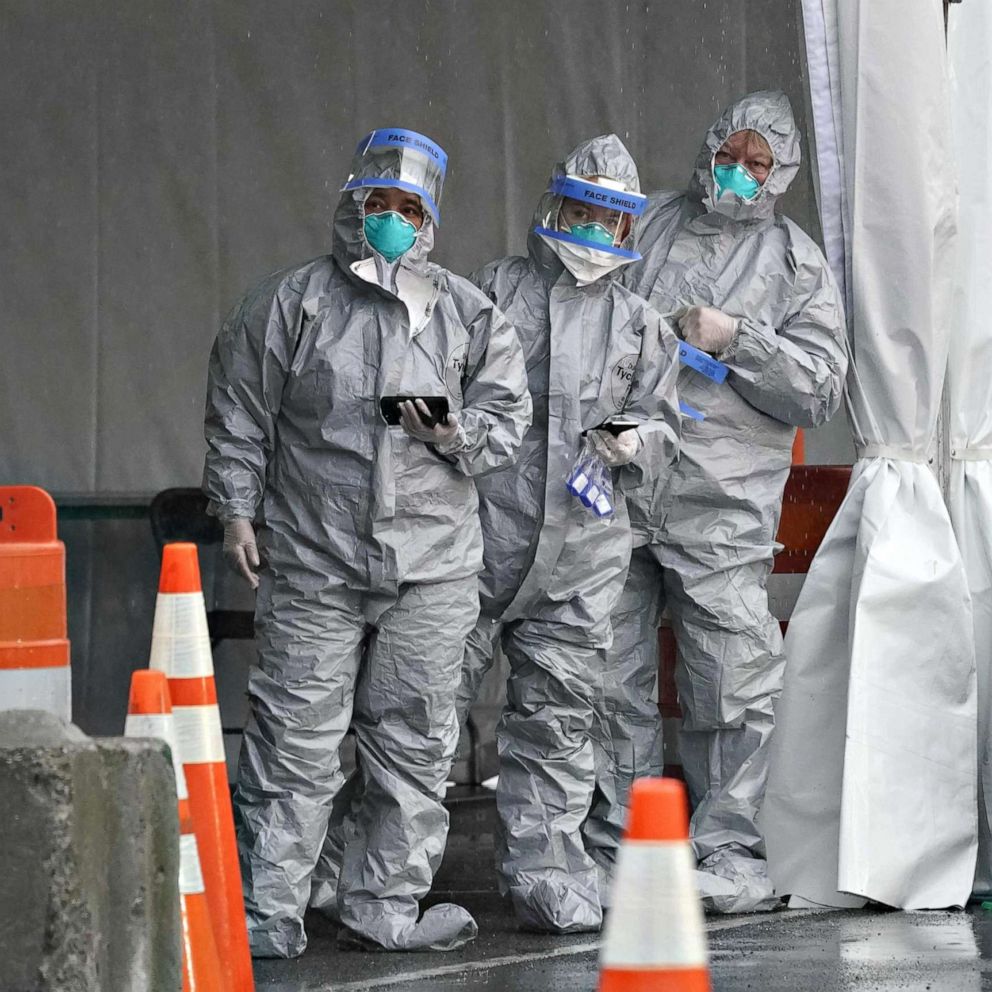

On Friday, the Society of Critical Care Medicine released a new report highlighting the scarcity of available medical resources in the U.S., including ventilators. The report cited the latest available data, including from a 2009 survey of hospitals, indicating that hospitals could use both existing machines and pull older devices from storage, as well as the 8,900 sitting in emergency stockpiles. Combined, the organization estimated hospitals could get their hands on roughly 200,000 devices, but that the number of available medical staff able to operate them at any one time would lower that number significantly. With some worse-case estimates showing more than 900,000 people could need ventilators, according to the American Hospital Association, the report raises concerns about a shortfall in both machines and the people to operate them.
Dr. Jennifer Ashton, ABC News' chief medical correspondent, said the coming demand for ventilators is a concern.
"The U.S. surge capacity for a public health crisis believe it or not is unknown," she said. "So you're hearing a lot of stats about there being 62,000 ventilators, 95,000 hospital beds. That's the tip of the iceberg in terms of capacity."
And even if enough ventilators are on hand as patients begin to arrive in emergency rooms, hospitals will still need to have sufficient staff on hand to operate the machines.
ABC News medical contributor Dr. Mark Abdelmalek said a typical ICU ventilator requires three primary operators: a critical care doctor, respiratory therapist, and a nurse. "ICU patients on breathing machines have to be constantly monitored," Abdelmalek said.
Curtis, the critical care doctor in a Seattle, said he did not have time to think about broad public health questions -- such as where the nation’s ventilators would come from or who would be available to monitor them.
"But if that was my job now, I would be worried," Curtis said. "No one knows the answer to how much worse this is going to get before it starts to get better."