Eat your breakfast to prevent future weight gain, decrease chances of becoming obese
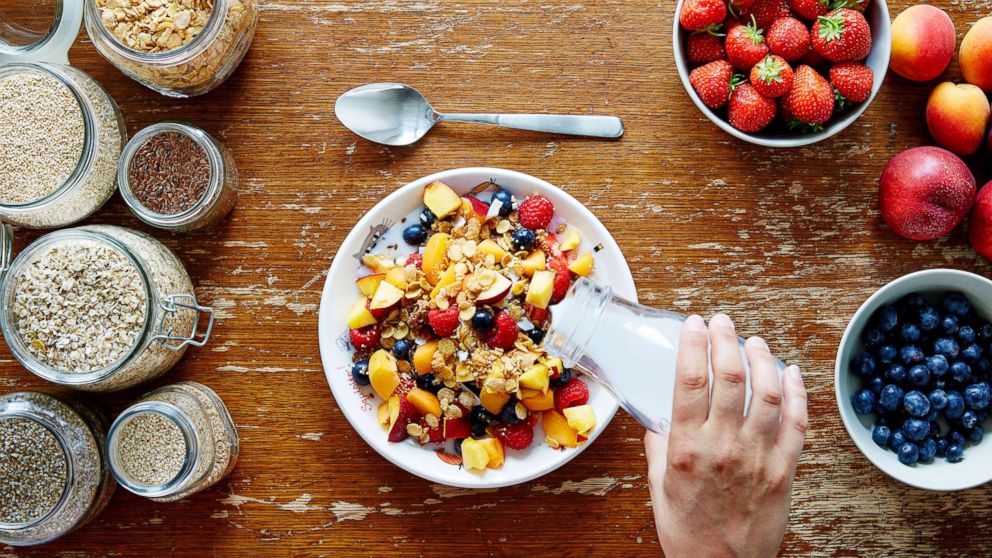
Skipping breakfast is a predictor of future weight gain and increases your chances of becoming obese, according to a new study presented at the Experimental Biology annual meeting in San Diego, California, this week.
Researchers looked at 347 healthy men and women over a period of 12 years. All of these people had a normal body mass index (BMI) -- a weight-to-height ratio used as an admittedly imperfect measure of body fat -- when they started the study and were consistent in their eating habits for at least two years. They were asked how many times a week they ate breakfast from the following selection of answers: never, one to four times or five to seven times.
At the end of 12 years, they found that people who skipped breakfast more than three times a week had a larger waist circumference -- meaning they gained that dangerous belly fat. This was most common in older men. The most overall weight gain (about 10 pounds) was found in those that never ate breakfast. For many, the 10 pounds was enough to put their BMI in the obese range, which generally increases health risks. An ideal BMI is 18-25, with obese being anything over 30.
The obesity rate was 25 percent higher among those who skipped breakfast than in those who ate it frequently. Those that ate breakfast regularly had an average weight gain over the study period of only 3 pounds.
Why would breakfast be the most important meal of the day?
Eating in the morning jump starts your metabolism and helps you burn more calories throughout the day. A well-balanced breakfast gives the body nutrients that tend to get neglected during the day.
Furthermore, non-breakfast eaters were found to have a high post-lunch insulin spike and increased amounts of inflammatory markers circulating in their system. Chronic inflammation has been known to lead to many other diseases, especially obesity. Fluctuating insulin levels lead to diabetes and weight gain as well.
You are what you eat
The content and calories in your breakfast matters.
The American Dietary Association (ADA) recommends whole grains, lean protein, low-fat dairy, and fruits and/or vegetables as part of a balanced diet. Protein shakes and bars can be good but beware of those that are laden with simple sugars and carbohydrates. Breakfast eaters, in general, tend to make better food choices than non-breakfast eaters and are more active. So it’s possible that eating breakfast is a “marker” for other more healthy behaviors.
If you aren’t eating breakfast now, what’s the best way to add it to your day?
Overall caloric intake in a day still matters, so don’t go crazy. But the accumulated wisdom of nutritionists says that those that eat a “substantial” breakfast stay full through the day and tend to eat less at other meals. They also have been shown to have more energy. It also helps decrease cravings that can lead to unhealthy food choices later in the day. Being satiated in the morning helps prevent overeating during the day and enables better portion control at other meals.
The American Heart Association has found that eating a well-balanced breakfast is linked to lower risk for high blood pressure, diabetes, high cholesterol and heart disease. Along with breakfast, exercise is still important for keeping metabolism up and weight down.
However, it's important to note that this study did not look at what these people ate for breakfast, nor did it look at their physical activity levels.
Since this was a meeting presentation, the study hasn’t been peer-reviewed yet or published in a medical journal. The results are currently preliminary.
Additionally, everyone acknowledges that any study that has to do with diet counts on the people in the study to “self-report” what they eat. While two-thirds of the study population were men, skipping breakfast was a predictor of weight gain across all ages, gender, and initial BMI.
As the old saying goes, "eat breakfast like a king, lunch like a prince, and dinner like a beggar."
Dr. Roshini Malaney is a cardiology fellow at Stony Brook University Hospital who is working with the ABC News Medical Unit.