• Video
  • Shop
  • Culture
  • Family
  • Wellness
  • Food
  • Living
  • Style
  • Travel
  • News
  • Book Club
  • Newsletter
  • Privacy Policy
  • Your US State Privacy Rights
  • Children's Online Privacy Policy
  • Interest-Based Ads
  • Terms of Use
  • Do Not Sell My Info
  • Contact Us
  • © 2026 ABC News
  • Wellness

Eating slower could help prevent obesity, researchers say
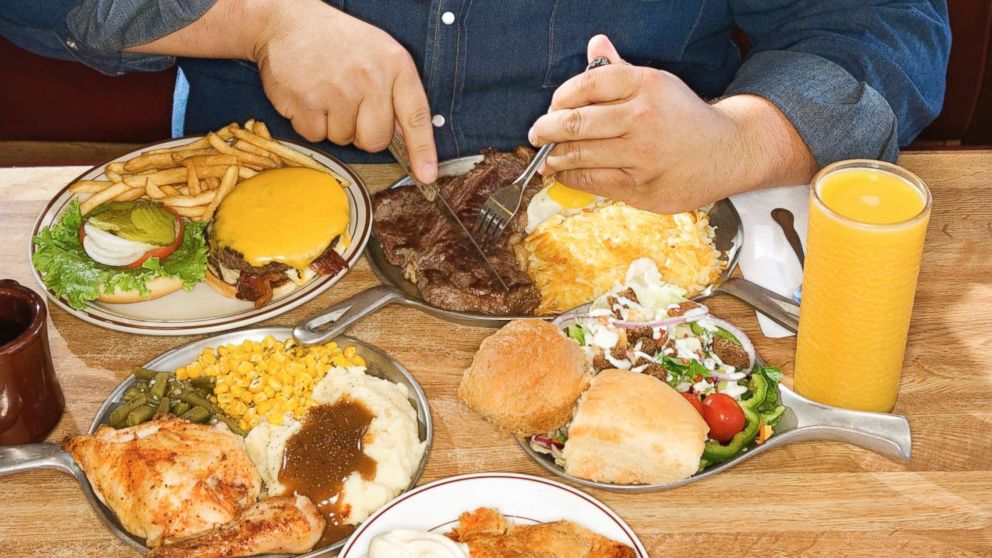
0:41
Eating slower could help prevent obesity: Study
STOCK PHOTO/Getty Images
ByDr. Jay-Sheree Allen Akambase
February 12, 2018, 10:37 PM

— -- Speedy eaters might finish their food faster, but those calories might linger longer.

A new study published in the online journal BMJ Open suggests that eating speed could affect a person's weight.

A research team in Japan set out to analyze the effects of eating speed on obesity -- defined as BMI greater than 25 in Japan -- by asking over 59,000 Japanese men and women with a diagnosis of type 2 diabetes to rate their own eating speed as fast, normal or slow.

The results showed that slower eating speeds were linked to reductions in obesity, BMI and waist circumference.

Related Articles

Stress hormone measured in hair linked to persistent obesity, study finds

In addition to eating speed, the researchers found a few other eating habits people with obesity showed, such as frequently eating dinner within two hours of going to bed, snacking after dinner and skipping breakfast.

The data in this study is based on observed behaviors that had happened in the past, so no firm conclusions can be drawn about whether eating speed is a cause of obesity.

However, the authors said that controlling eating speed may be a means of regulating body weight and helping to prevent obesity.
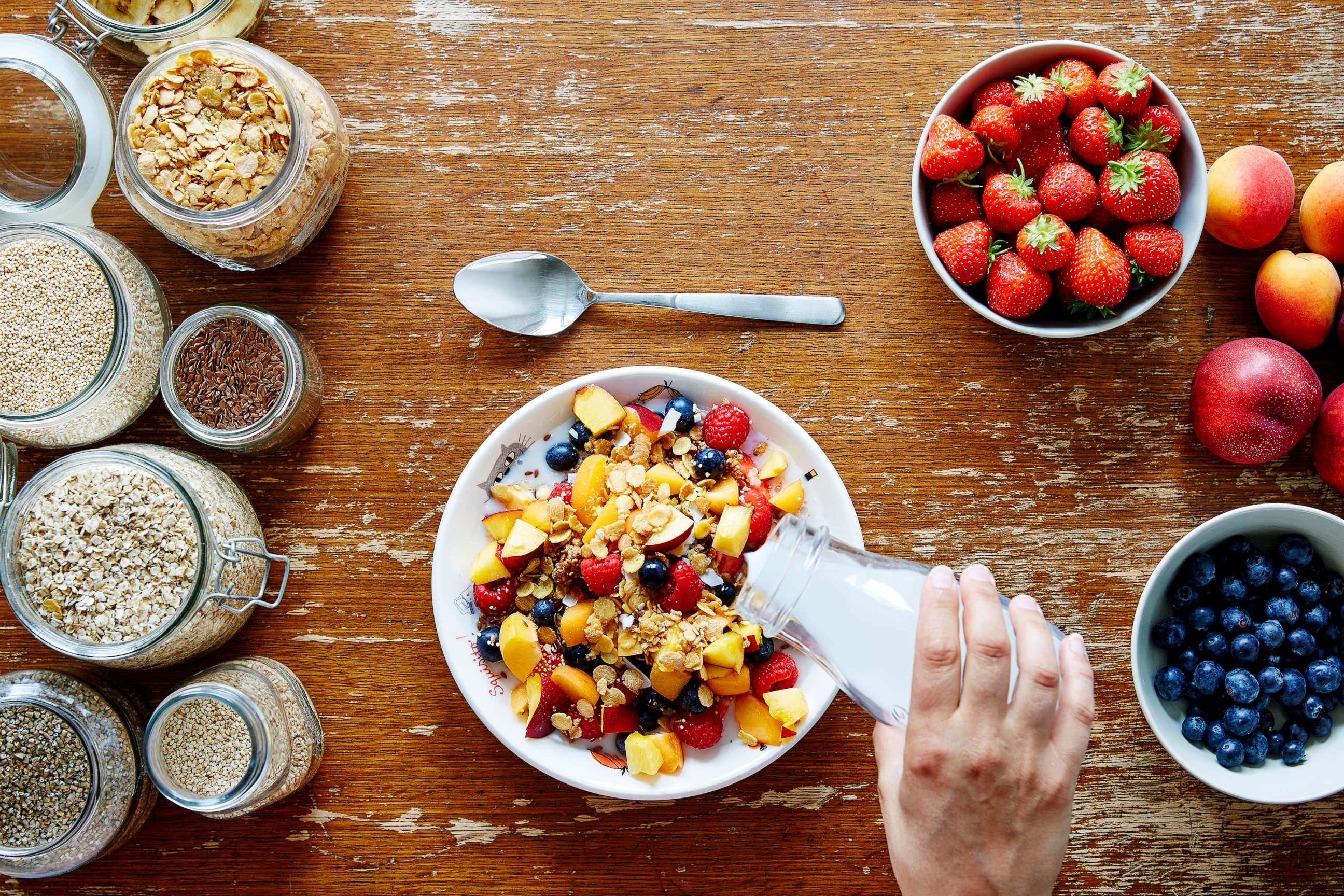
A healthy breakfast of muesli and milk is pictured in this undated stock photo.
STOCK PHOTO/Getty Images

A possible reason? Fast eaters may continue to eat even after they are full, even when their bodies have an adequate amount of calories, since the brain takes a little time to interpret chemical signals from the stomach that say "enough." The combined effect of eating quickly and overeating may contribute to weight gain.

So methods to help people reduce their eating speed, the authors conclude, could be an effective way to help prevent obesity and lower the many health risks, like diabetes, that come with it.

Jay-Sheree Allen is a family medicine resident physician at the Mayo Clinic in Minnesota and a resident at the ABC News Medical Unit.


Up Next in Wellness—

Adolescent and young adult cancers increase risk of developing future cancers

April 13, 2026

Teen with kidney disease finds donor living minutes away

April 10, 2026

Her battle with cancer went viral. After her death, the impact of her advocacy is still felt

April 8, 2026

Gabrielle Union shares emotional tribute after dad dies following dementia battle

April 6, 2026

Shop GMA Favorites

ABC will receive a commission for purchases made through these links.

Sponsored Content by Taboola

The latest lifestyle and entertainment news and inspiration for how to live your best life - all from Good Morning America.
  • Contests
  • Terms of Use
  • Privacy Policy
  • Do Not Sell My Info
  • Children’s Online Privacy Policy
  • Advertise with us
  • Your US State Privacy Rights
  • Interest-Based Ads
  • About Nielsen Measurement
  • Press
  • Feedback
  • Shop FAQs
  • ABC News
  • ABC
  • All Videos
  • All Topics
  • Sitemap

© 2026 ABC News
  • Privacy Policy— 
  • Your US State Privacy Rights— 
  • Children's Online Privacy Policy— 
  • Interest-Based Ads— 
  • Terms of Use— 
  • Do Not Sell My Info— 
  • Contact Us— 

© 2026 ABC News