Electric fields therapy shows promise for brain cancer patients: Study
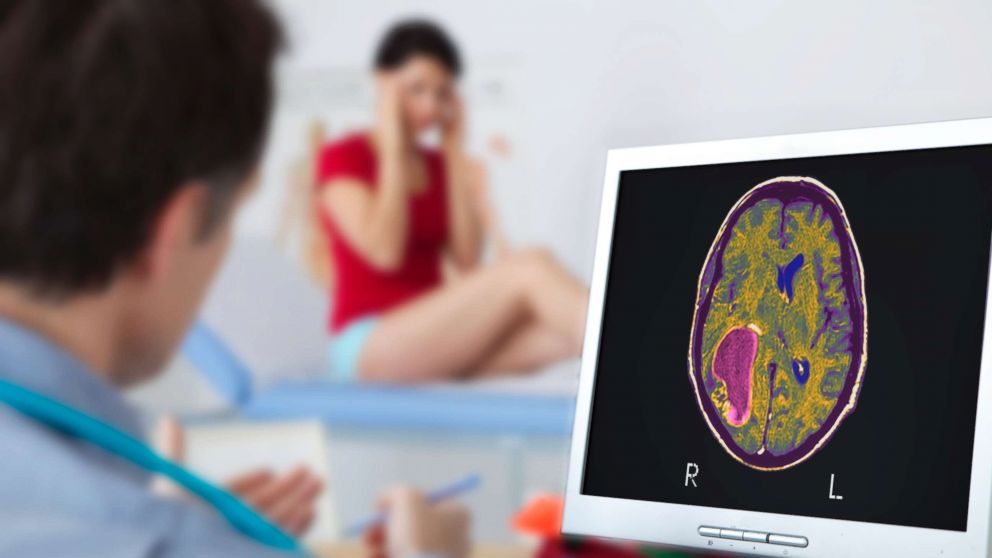
— -- Home-based electrical field treatment known as tumor-treating fields, or TTFields, holds promise in helping patients with glioblastoma, the same type of brain cancer for which Sen. John McCain, R-Arizona, is receiving treatment, according to a new study.
The new research was published Tuesday in the Journal of the American Medical Association. The research was funded by Novocure, the company behind the development and marketing of the device.
Glioblastoma is the most common form of primary brain cancer, and one that is notoriously difficult to treat. Standard treatment includes surgery to remove the tumor, radiation to the brain and a chemotherapy drug called temozolomide.
Even with this treatment, the average patient with glioblastoma survives for only 10 to 12 months after diagnosis, and the life expectancy is even shorter if you are over age 65. Only 5 to 10 percent of patients are alive at 5 years.
In this new study of nearly 700 patients who had already received standard treatment with surgery, radiation and chemotherapy, those who received the tumor-treating field approach tended to survive about four to five months longer overall. Additionally, a higher proportion of patients receiving the TTFields treatment were alive at two, three and four years after diagnosis. These patients also had fewer problems with cognitive function and were better able to keep up with their day-to-day activities than patients who received just chemotherapy.
While modest, past studies investigating higher doses of temozolomide and the use of antibody drugs that target the blood supply and growth of the tumor have not been able to deliver such gains.
“This is a completely new therapy, the use of physical force on cancer cells,” said lead study author Dr. Roger Stupp, professor of neurosurgery and medicine at the Northwestern University Feinberg School of Medicine.
And the treatment, for most, is surprisingly manageable. Doctors place four electrodes on the patient’s shaved scalp, and patients wear the electrodes at home for most of the day. The electrodes create low-intensity electrical fields within the brain that kill dividing cells.
“In the brain, only the cancer cells divide, so the electrical fields only kill the cancer cells,” Stupp said. “Ideally you have the field going at any time because cells divide at any time, which is why we have patients wear it for most of the day.”
Dr. Otis Brawley, chief medical officer of the American Cancer Society, agreed that the study results were promising.
“It very well may become standard of care in glioblastoma,” he said. “This is a well done large study. This is good science.”
The technology may also have potential in treating other cancers, Stupp and Brawley both noted, especially since it can be combined with other treatment modalities like chemotherapy and radiation.
Additionally, patients in the study seemed to tolerate the therapy well. Stupp said most were able to go about their normal lives while on this treatment. The study found that patients reported increased mild to moderate skin irritation from the electrodes but otherwise did not have increased side effects.
“My patients have been going skiing,” he said. “I have a patient who I met here in Chicago who has gone on a safari in Africa twice now. I had a guy in Ireland who loved to wind surf; he would leave the device at the beach and connect it when he got back.”
Editor’s note: A previous version of this story suggested incorrectly that the Novocure device had not yet received FDA approval. In fact, the device is already approved for the treatment of glioblastoma.