Experimental AIDS Vaccine Delivers Good News
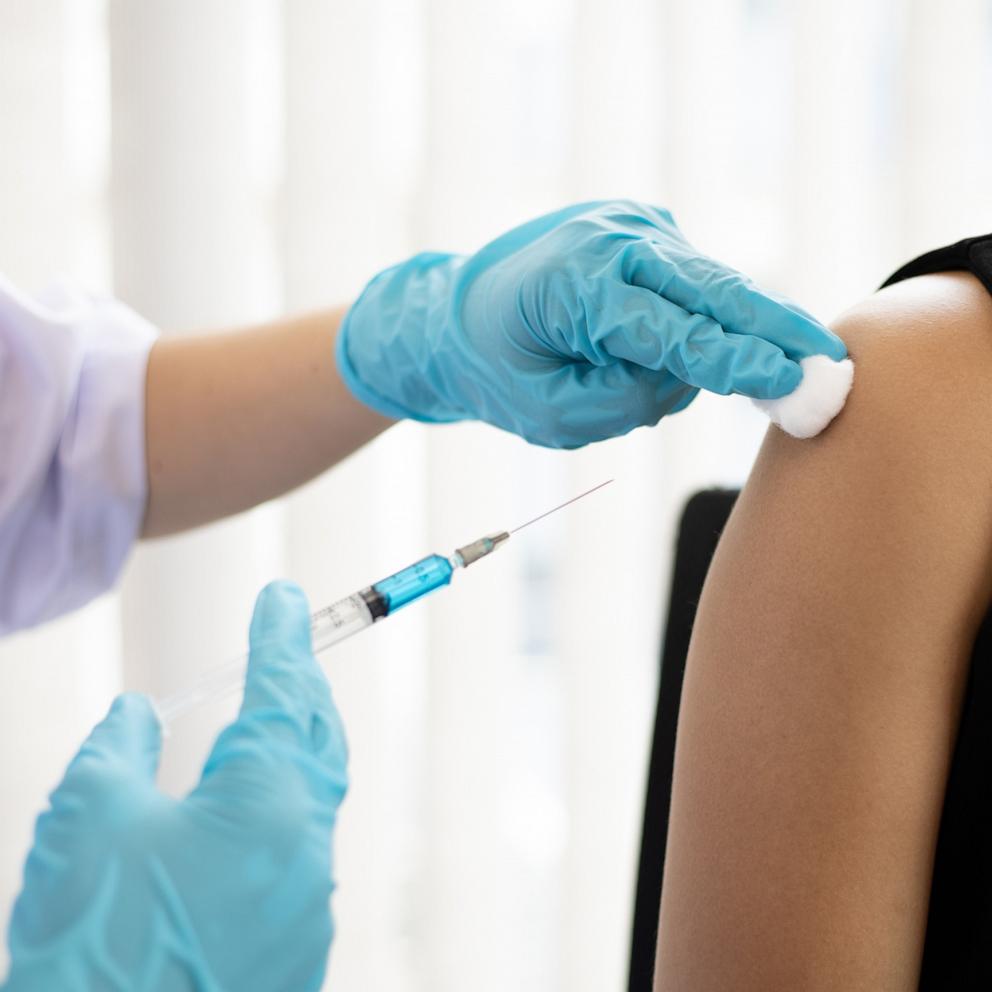
Sept. 24 -- THURSDAY, Sept. 24 (HealthDay News) -- In an apparent milestone advance, an experimental AIDS vaccine tested on more than 16,000 young adult volunteers in Thailand cut the risk of infection by a third, researchers reported Thursday.
The researchers acknowledged that the protection offered by the vaccine was relatively modest and did not represent a breakthrough. But the trial results marked a significant gain in the so-far frustrating fight against AIDS, which has killed an estimated 32 million people worldwide since it struck more than a quarter century ago.
Experts said the findings should give scientists important insights into HIV, the virus that causes AIDS, and how it attacks the body's immune system, with the ultimate goal of producing a more effective vaccine.
"I don't want to use a word like 'breakthrough,' but I don't think there's any doubt that this is a very important result," Dr. Anthony S. Fauci, director of the U.S. National Institute of Allergy and Infectious Diseases, one of the trial's sponsors, told The New York Times.
"For more than 20 years now, vaccine trials have essentially been failures," he said. "Now it's like we were groping down an unlit path, and a door has been opened. We can start asking some very important questions."
The World Health Organization and the U.N. agency UNAIDS said the results "instilled new hope" in the field of HIV vaccine research.
The vaccine is a combination of two vaccines that had previously been unsuccessful in clinical trials. When the Thai clinical trial began in 2006, many scientists thought it would also fail.
"I really didn't have high hopes at all that we would see a positive result," Fauci told the Associated Press.
The study, which used strains of HIV common in Thailand, tested the two-vaccine combination in what's called a "prime-boost" approach. The first vaccine primes the immune system to attack HIV and the second one strengthens the response, the AP reported.