Extensive contact tracing, isolation controlled coronavirus spread in Shenzhen, China: Study
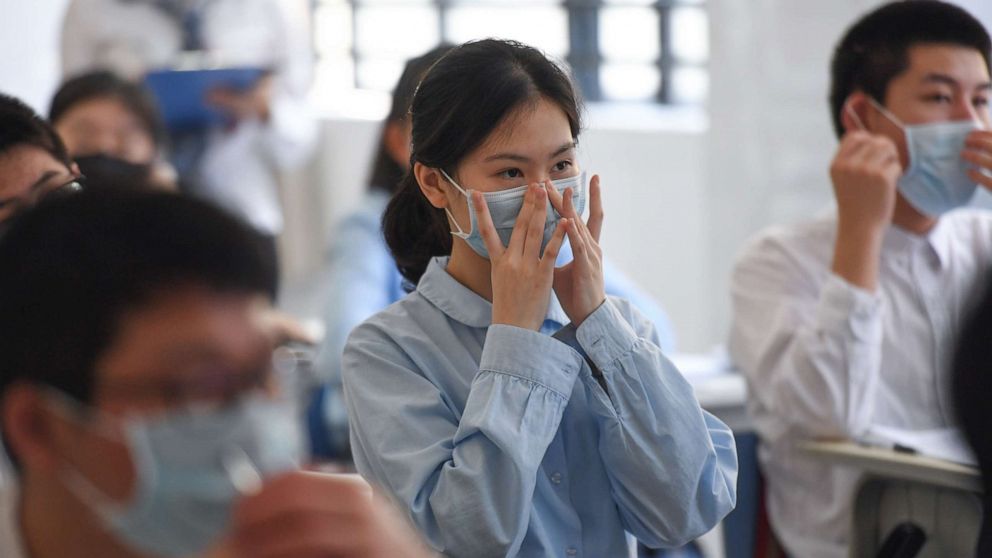
Extensive contact tracing and isolation were key tools in controlling the spread of COVID-19 in Shenzhen, China, a new study has found.
The study, which was published Monday in the Lancet Infectious Diseases, utilized January and February information from the Shenzhen Center for Disease Control and Prevention.
Researchers analyzed data from 391 COVID-19 patients and 1,286 of their close contacts, and found that extensive contact tracing and rapid isolation of potentially infected individuals reduced the time that infectious people interacted with others in the community by two days.
Patients with symptoms were isolated and treated in the hospital before their test results were confirmed. Close contacts without symptoms were quarantined at designated facilities. Close contacts who tested negative were quarantined at home or at a specified facility and monitored for 14 days.
About 7% of close contacts who shared a meal with an infected individual and 11% of household members in the study subsequently contracted COVID-19 themselves. Nine percent of contacts who traveled with an infected individual became sick themselves.
Although children are less likely to have severe symptoms, infection rates among kids ages 10 and younger were similar to infection rates among people of other ages.
"There was no significant association between probability of infection and age," the study's authors wrote.
Limitations of the study include potentially missing data, as it's nearly impossible to track every single potential contact, especially asymptomatic ones, the researchers noted.
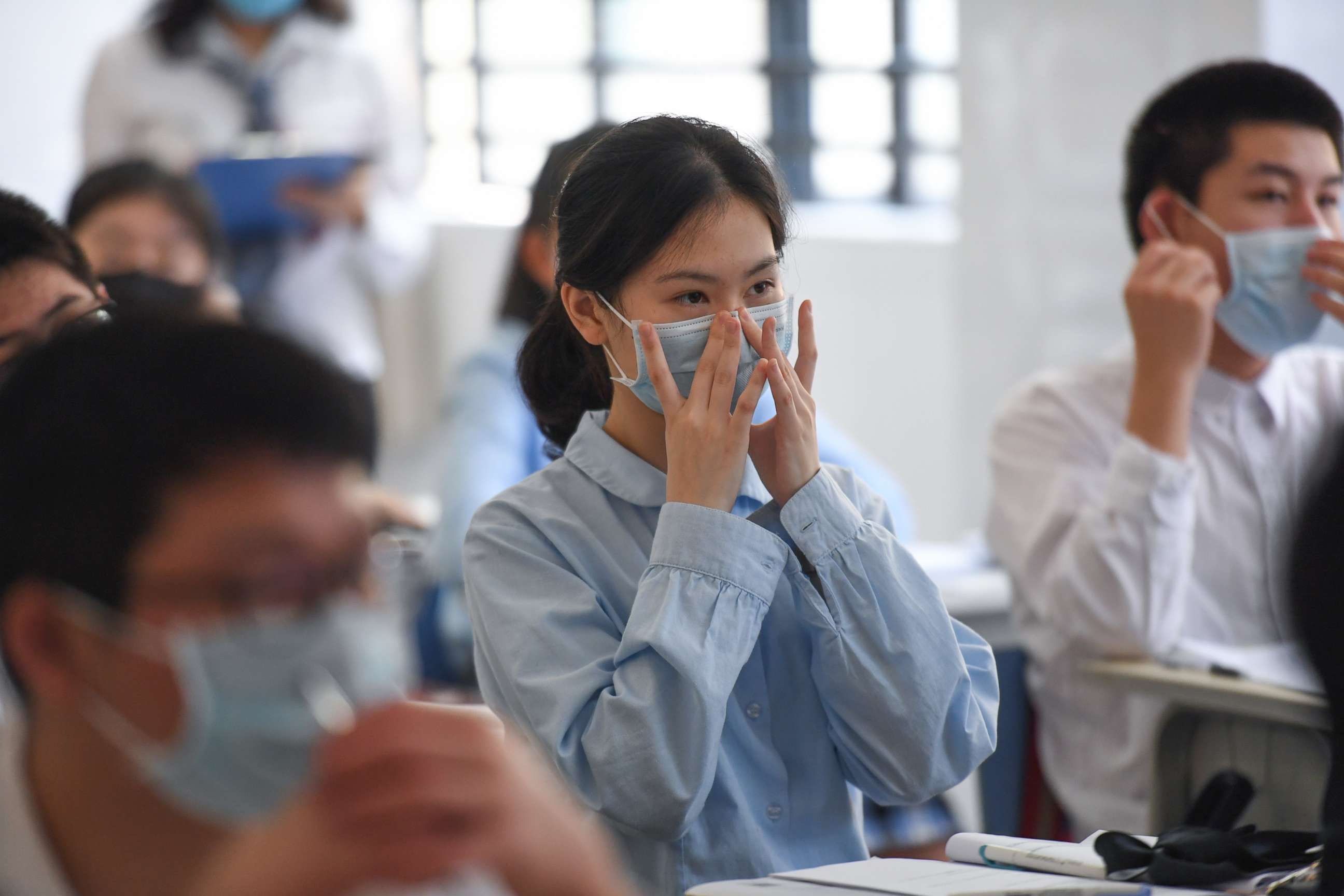
Because Shenzhen, an affluent city of 12.5 million north of Hong Kong, was affected early in the pandemic and reacted quickly to its COVID-19 outbreak, it's an interesting blueprint for other countries to learn from, Dr. Cecile Viboud, lead epidemiologist at the National Institutes of Health, explained in a commentary accompanying the study.


According to Viboud, who was not connected to the research, countries looking toward post-lockdown strategies should be taking notes from China, Singapore, Taiwan, South Korea, Germany and Iceland, which have successfully controlled COVID-19 transmission within their borders, or which have low mortality rates.
"Successful strategies include ample testing and contact tracing, supplemented by moderate forms of social distancing," Viboud wrote. Since large-scale contact testing is labor intensive and prone to inaccuracy, a technology-based approach is needed, according to Viboud.
And while many experts worry about the privacy implications of digital contact tracing, "enhanced case-finding and contact tracing should be part of the long-term response to this pandemic," Viboud wrote.
"This can get us most of the way towards control," he said.
What to know about the coronavirus:
- How it started and how to protect yourself: Coronavirus explained
- What to do if you have symptoms: Coronavirus symptoms
- Tracking the spread in the U.S. and worldwide: Coronavirus map
Tune into ABC at 1 p.m. ET and ABC News Live at 4 p.m. ET every weekday for special coverage of the novel coronavirus with the full ABC News team, including the latest news, context and analysis.