How extreme heat impacts people with mental illness

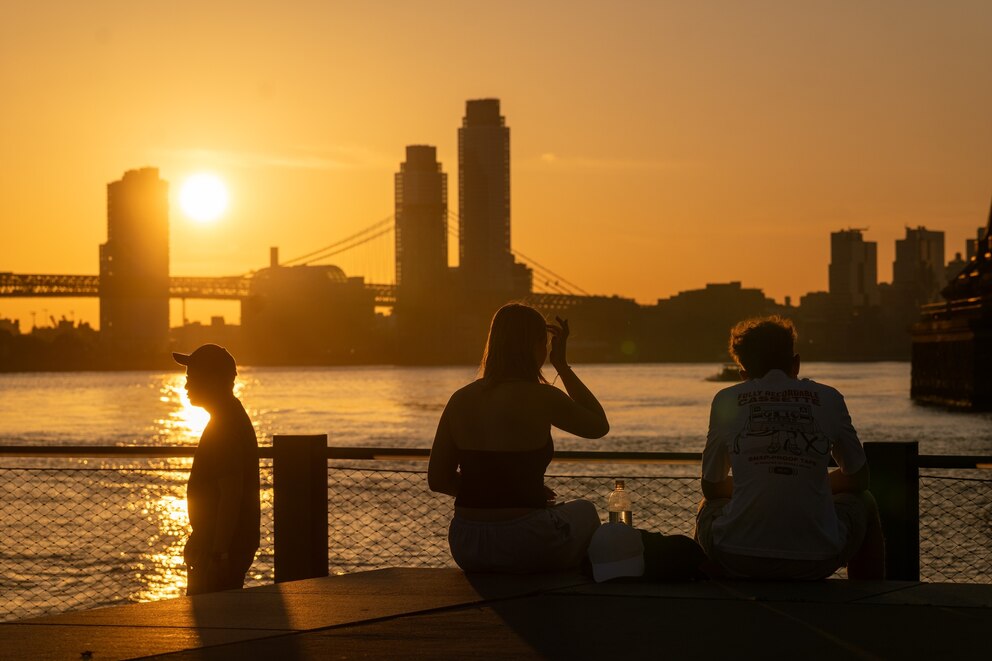
As triple-digit temperatures hit the East Coast, individuals with a mental illness -- specifically those who take prescribed medication -- are at risk for heat intolerance, with psychiatric hospitalizations peaking in the summer months, according to experts.
During heat waves or especially warm days, there is often an uptick in the frequency of psychiatric hospitalizations, with one study finding that "higher temperatures may trigger bipolar disorder relapses that require hospital admission, and higher expositions to sunlight may increase the risk of manic episodes."
There are certain reasons as to why these psychiatric hospitalizations surge in the summer, including body inflammation, which can impact the circadian rhythm, and changes in sleep schedule due to the heat -- which could help "trigger a manic or depressive episode" for people with bipolar disorder, Rebecca Barbee, a psychiatric physician assistant at Southlake Psychiatry in North Carolina, told ABC News.
Those who take medications to treat a variety of mental illnesses, including antidepressants, mood stabilizers and antipsychotic medications, are more likely to experience heat intolerance during warmer months, since these prescriptions make it difficult for people to determine when they are dehydrated, Barbee said.
"A lot of people aren't aware that those medications can affect their body's ability to regulate its body temperature," Barbee said. "Just the fact that we're taking a medication, it can make it harder to sweat appropriately, harder for our body's internal thermometer to regulate and know when we're getting too hot."
Symptoms for heat intolerance include excessive sweating or not sweating enough, lightheadedness, dizziness, nausea, vomiting, fatigue, mental status changes or confusion, Barbee said.
Barbee recommended people who are taking medications for their mental health talk with their health care provider and see if their prescription puts them at risk for not being able to regulate their body temperature. For those who are at risk, Barbee said she encourages them to remain hydrated, dress appropriately, take breaks, use fans, have the option to remain in shaded areas and look out for any symptoms of heat intolerance.
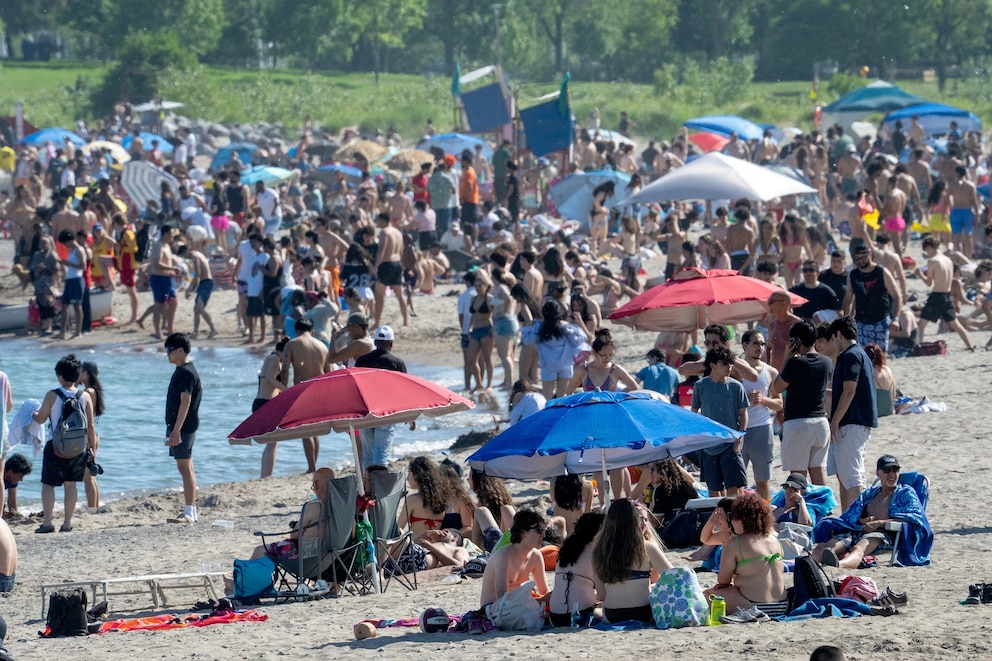
Caregivers or loved ones of individuals with mental health issues should ensure they have access to fans or air conditioning and also remember to include times for breaks when planning outdoor activities, Barbee said.
"It's a matter of checking in, checking in on those that are especially vulnerable in our community, those who struggle with homelessness or lack of access to air conditioning," Barbee said.
The heat wave enveloping the East Coast will hit cities with the worst of the high temperatures on Tuesday, with extreme heat warnings and heat advisories in effect for 150 million Americans from Texas to Maine.
On Tuesday, the heat index will make it feel like 106 degrees in Boston and Philadelphia; 102 degrees in New York City; 109 in D.C.; 107 in Charlotte, North Carolina; an 105 in Charleston, South Carolina. Temperatures will begin to drop on Thursday.
Click here for what you need to know to stay safe in the heat.