FDA advisory committee votes to add popular peptide BPC-157 to drug compounding list
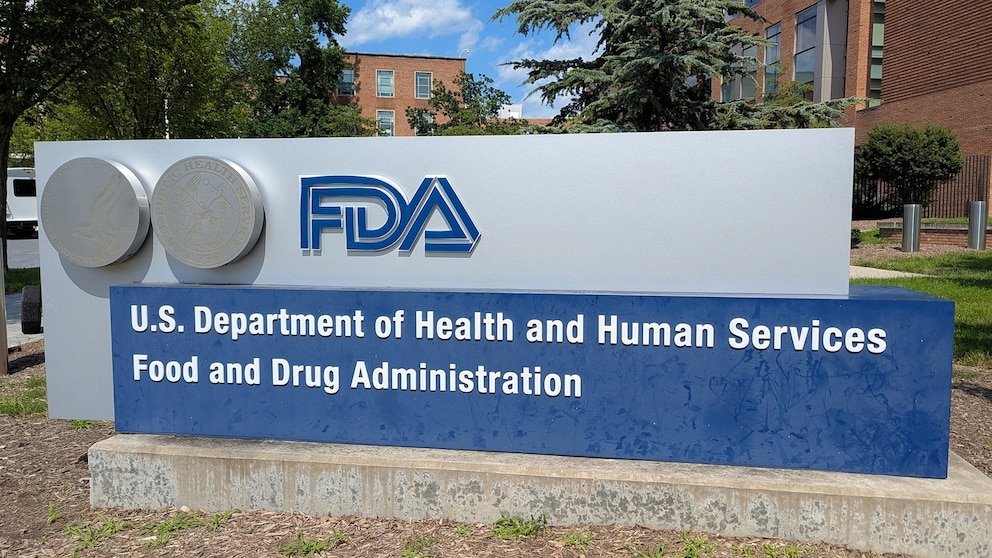
A Food and Drug Administration advisory committee voted to add BPC-157 to a drug compounding list -- a move that brings the popular peptide one step closer to being legally available to Americans with a prescription.
The Pharmacy Compounding Advisory Committee (PCAC) voted on Thursday 8-6 in favor of the move with one abstention.
The vote is non-binding and still needs sign-off from the FDA. This is the first of seven peptides the committee is reviewing and there are additional discussions and votes expected Thursday and Friday.
BPC-157 has been touted online as a way to promote gut and tissue healing. Many popular peptides are currently only available on the black and grey market.
There is very little human clinical trial data to support their effectiveness or safety. The committee is considering an atypical regulatory pathway, allowing these substances to be compounded rather than going through the full, rigorous FDA approval process.

During the meeting, FDA staff scientists highlighted a general lack of quality data supporting safety and effectiveness.
The committee members who voted yes generally believed the risks to be minimal, while those who voted no tended to worry about safety risks and effectiveness, and expressed concern that adding the peptide to the compounding list would create a false impression that it has been evaluated with the same rigorous standards as an FDA-approved drug.
Peptides are strings of amino acids, which are smaller than a protein. They have exploded in popularity online, with influencers suggesting they can help build muscle, improve metabolism and more.
Most of the studies done so far have been in rodents -- results that don’t always hold up when larger studies are done in people.
Health and Human Services Secretary Robert F. Kennedy Jr. has promoted the use of peptides, and HHS has faced criticism that many of the newly appointed members to the PCAC have financial conflicts of interest.
This is a developing story. Please check back for updates.