FDA authorizes new T-cell test that could be game changer for COVID-19 long haulers
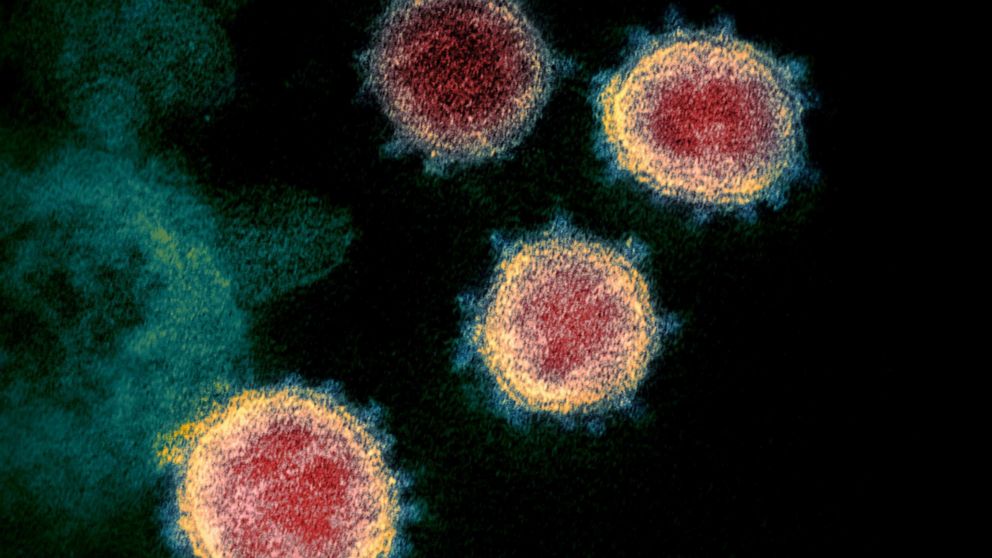
The first-of-its-kind test for detecting whether someone was infected withCOVID-19 in the past -- using the body's T-cells -- was granted emergency authorization by the Food and Drug Administration late Friday night.
This could be a game changer for some coronavirus "long haulers" and for people who have not yet gotten a clear answer on whether they were previously infected with the virus.
Launched by biotech company Adaptive, in collaboration with Microsoft, the "T-Detect" COVID-19 test looks for the unique signals of the virus through T-cells, which can "remember" prior infections.
T-cells are essentially the immune system's front-line "foot soldiers," Adaptive CMO Lance Baldo told ABC News.
While current antibody tests aim to provide similar evidence, accuracy varies.
Some studies have shown antibodies wane after a few months' time, so, while antibodies can indicate whether a person's had the coronavirus in the past, timing is key: Test too early and the antibodies may not yet be detected, but test too late and the antibodies may have already faded from the blood stream.
While researchers still don't know exactly how long after a COVID-19 infection the T-cell immune response remains active, the longevity of the cells' "memory" makes for a promising candidate in the forensic work of tracking past infections.
The test could bring clarity to many patients who have not yet gotten definitive proof that they were once infected with the virus (since not everyone who wanted a test could get one at the start of the pandemic). It could also help find better treatments for those who've been infected.
"We're looking for that imprint, like a crime scene investigation," Dr. William Li, the president of the Angiogenesis Foundation and a T-Detect prescribing physician, told ABC News.
"So many people had the disease, recovered, never got a clear-cut diagnosis, yet they're suffering from these bizarre, persisting symptoms," Li added. "The T-cell test has been really useful in this long tail of COVID to help patients establish where they are."
The test is administered via blood draw. T-cell DNA is then extracted and sequenced with Microsoft's artificial intelligence, mapping out the immune system's "massive black box" data into navigable science, researchers say.
"We hope that this test will shed more light on how that system can be better targeted, enhanced and armed and ready against future infections," said Dr. Jim Kublin, the principal staff scientist at the Fred Hutch Vaccine and Infectious Disease Division, and a T-cell immune response researcher on Adaptive's T-Detect Advisory Board.
"T-cells speak a kind of language," Peter Lee, the corporate vice president of Microsoft Research & Incubations, said. "We use machine learning to help translate that into the language of diseases."
The out-of-pocket cost for the test is $150 -- a prohibitive fee for socioeconomically vulnerable populations repeatedly hit hard by the virus.
Baldo attributed the price to the test's novel technology, adding that offset options will be available to ensure equity of access.
What marks an inflection point in COVID-19 diagnostics won't close the books, however. Adaptive said they are continuing their research into the persistence of T-cells in the body after infection, severity of response to the virus and vaccine efficacy and durability.
"This long COVID problem could be a second epidemic to actually emerge from the first," Li said. "Remarkably, after a year we're still pining for these proper diagnostic tools -- and that's why this is such an important step forward."
ABC News' Eric Strauss, Sony Salzman and Matthew Vann contributed to this report.