FDA set to pilot test real-time tracking of clinical trials
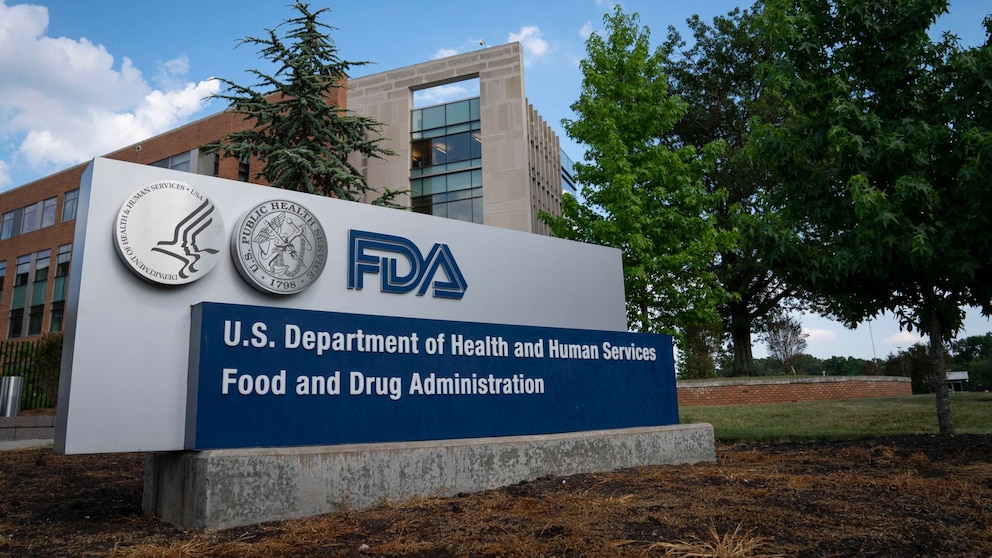
The Food and Drug Administration (FDA) is set to pilot test real-time clinical trials in the hopes of expediting results and feedback, federal health officials announced on Tuesday.
At least two clinical trials by pharmaceutical companies AstraZeneca and Amgen will test the new system to alert FDA officials to study results in real time.
AstraZeneca is conducting a Phase 2 clinical trial in patients who have not received treatment yet for mantle cell lymphoma, a rare type of non-Hodgkin lymphoma. Amgen is conducting an early-stage clinical trial in patients with lung carcinoma.
Officials hope that real-time test results will allow for quicker feedback as to whether a drug or a device is providing meaningful benefits or potentially poses a safety concern to study participants.
In theory, the process could allow for quicker approval of drugs and devices as well, given they continue to meet safety and efficacy criteria, the FDA said.
During a press conference on Tuesday afternoon, FDA officials told ABC News that they are not concerned about missing safety signals or not having enough time to review the data from the clinical trials because “safety is our number one priority.”
“The goal here is to sort of get to a regulatory decision in a faster timeline — without compromising any safety,” FDA Chief AI Officer Jeremy Walsh said.
“The goal here is to raise the bar for what can be done,” Walsh said.
FDA Commissioner Dr. Marty Makary said in a statement with the announcement that "For 60 years, we've been conducting clinical trials in the same way, where key data signals can take years to reach the FDA. The lag time can delay regulatory decisions unnecessarily and slow down the drug development timeline."
"We are boldly advancing a modern approach whereby FDA scientists can view safety signals and endpoints in real time as a trial progresses," the statement continued. "This will help us accelerate promising therapies, and build toward our ultimate goal of running real-time, continuous trials across all phases of drug development."
During a press call with reporters on Tuesday morning, Makary said health care workers often hear about promising therapies with impressive early results, but it can take 10 to 12 years for those drugs to reach the market.
He said there is a lot of "dead time" during which investigators and staff are filing paperwork, collecting data, analyzing data and following the FDA submission process rather than conducting the trial itself.
"In this trial, FDA regulators will view safety signals and clinical endpoints in the cloud in real time as they are occurring," Makary said. "So, when a patient develops a fever, FDA regulators in this new real-time clinical trial can see that a patient is experiencing a fever as they have that symptom. If a tumor shrinks, FDA regulators can see that a drug is working and that there is a response to the drug as the CAT scan is being read by the radiologist."
For both clinical trials, the FDA said it has met with the trial sponsors to establish criteria for reporting signals in real time.
"Amgen is committed to advancing approaches that help bring innovative medicines to patients more efficiently. By evolving how evidence is generated, we see opportunities to reduce the burden on patients and clinical sites without compromising established ethical and regulatory standards," the company told ABC News in a statement.
The FDA added that it is hoping to build upon these proofs-of-concept trials with a broader pilot program to launch this summer.
"At the FDA, we've said we basically are trying to sort of rewind and rethink the process, especially on clinical trials," Chief AI Officer Walsh said during the press call. "There's a lot of information that comes into the FDA that we don't even look at. So, with real-time clinical trials ... we are starting with signals. What is the information FDA needs in order to make a regulatory decision? That is the objective of this effort."