Flu cases, hospitalizations, deaths nearly doubled in the past week

Flu cases, hospitalizations, and deaths have nearly doubled in the past week, with the southeast and south-central regions of the U.S. being hit the hardest.
There have been an estimated 1,600,000 cases of lab-confirmed influenza illness, 13,000 hospitalizations and 730 flu-related deaths nationally, according to data released Friday by the Centers for Disease Control and Prevention.
"We're seeing the highest influenza hospitalization rates going back a decade. We are also reporting the second influenza related pediatric death of the season," Dr. José Romero, Director of the National Center for Immunization and Respiratory Diseases, said at a CDC briefing Friday.
This season is still increasing rapidly. The flu usually starts to pick up steam in November, peaks in December or January and continues until February or March.

South Carolina, Tennessee, Georgia, Mississippi, Texas, North Carolina, Alabama, Virginia, Maryland, New York City and Washington, D.C. are all reporting very high levels of influenza-like illness while at this time last year, no states were reporting high or very high illness according to CDC.
Hospitalization rates are the highest for this time in the season since the 2010-2011 season. CDC data shows there were 4,326 newly admitted patients in hospitals just this week which is a sharp increase from 2,332 hospitalizations last week.
A human infection with a novel influenza A virus was reported by the New Mexico Department of Health this past week, this means the strain is new to human populations. Novel influenza A viruses are believed to pose a greater pandemic threat than others and are more concerning to public health officials because they have caused serious human illness and death, according to CDC.
"In the southeast of the United States, nearly 20% of respiratory specimens are testing positive for influenza virus, mostly influenza A and H3N2 viruses, which in the past have been associated with more severe seasons, especially for young children and older individuals," said Romero.
Last week, the CDC reported that H3N2 is the predominant viral strain spreading. While it's too early to see if this trend will continue, previous seasons with mostly H3N2 viruses have been of higher severity.
"Influenza is much deadlier to the very young and very old and the strain that's going around, H3N2 is particularly kind of nasty," Dr. Peter Chin-Hong, an infectious diseases specialist at the University of California, San Francisco, told ABC News.
This early flu season is additionally concerning with the pediatric surge of respiratory illness like RSV already filling up 76% of pediatric beds, surges of activity at the nation's emergency departments, and the potential for a COVID-19 surge.
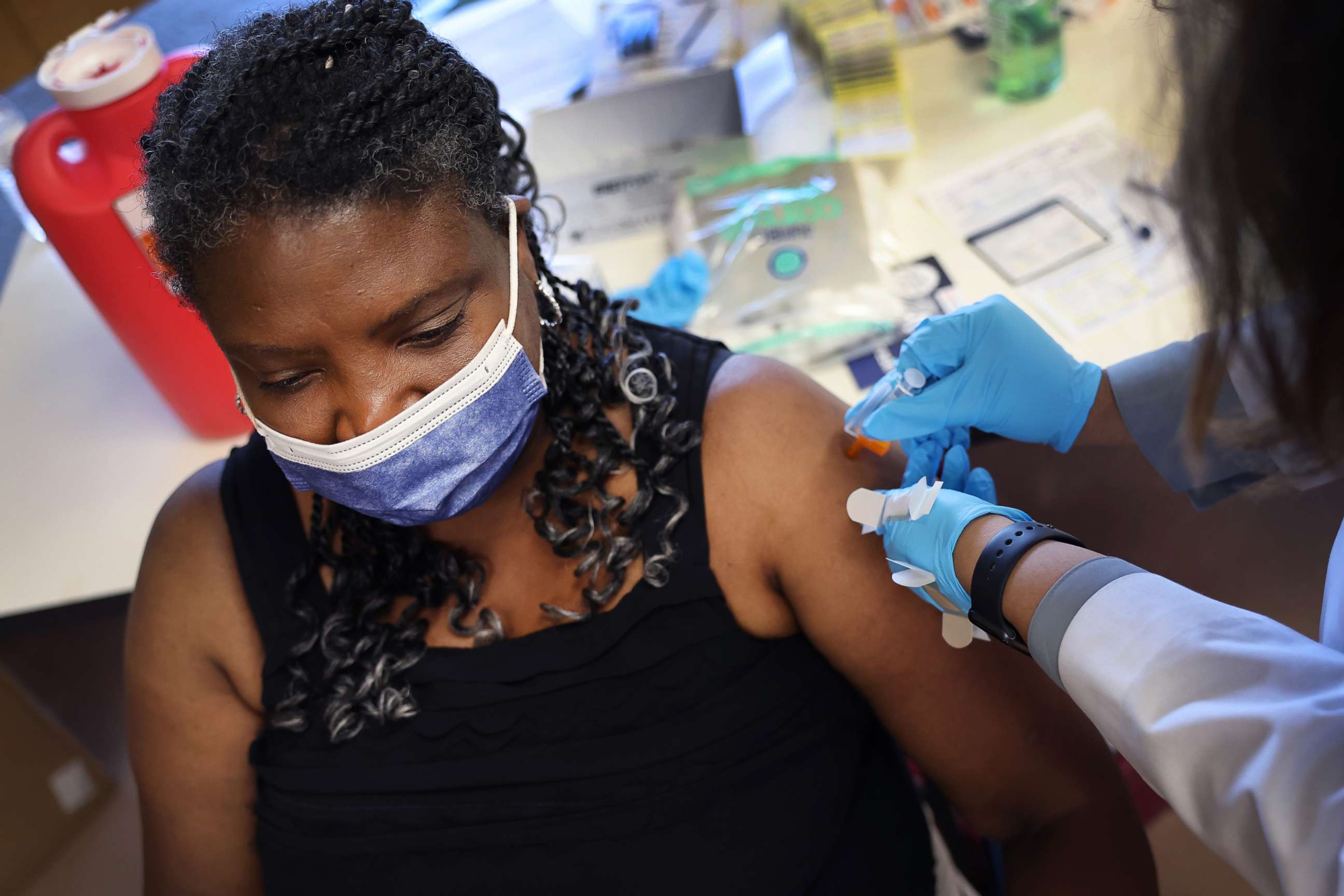
The flu vaccine is recommended for everyone 6 months and older. The best time to get your flu shot is as soon as possible.
Romero reiterated that the CDC recommends that children 6 months through 8 years-old getting the shot for the first time or previously only getting one dose should get two doses. The doses are given four weeks apart.
There are also prescription flu antiviral drugs that can be used to treat flu illness, which need to be started as early as possible.
"If you get diagnosed with influenza, everybody can have access to early therapy, which is Tamiflu to shave time off from that miserable experience," Chin-Hong said.