Half of COVID-19 vaccines administered in Chicago last week went to Black, Latinx residents
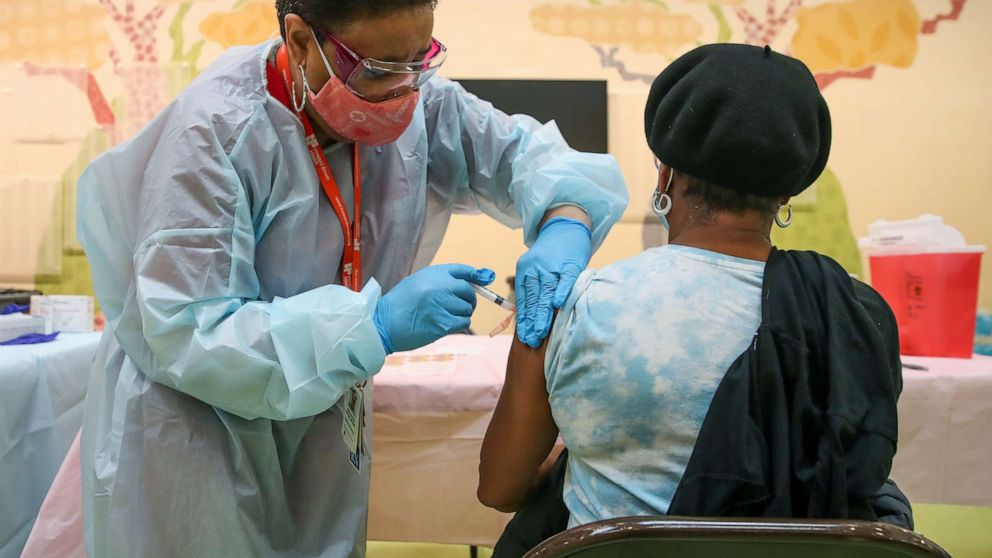
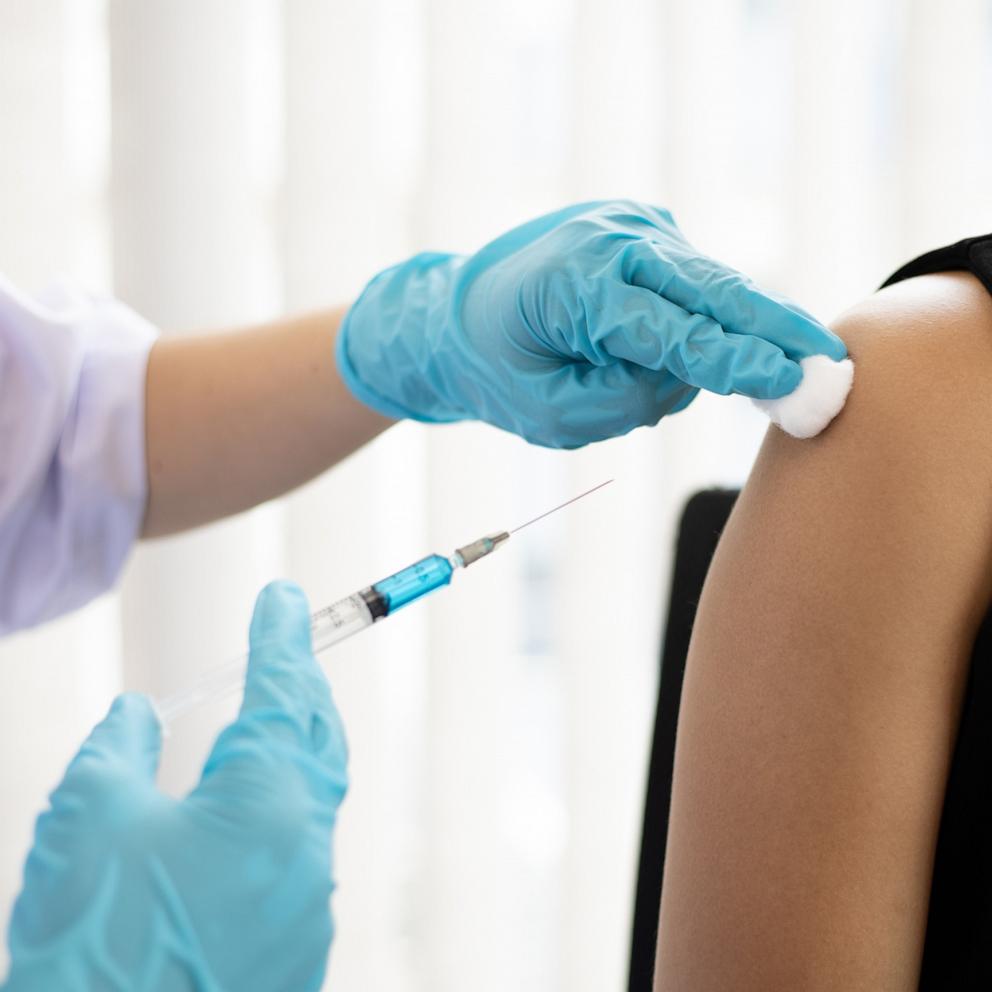
Amid efforts to "double down" on distribution equity, half of the COVID-19 vaccines administered last week in Chicago went to Black and Latinx residents, city officials said.
During the first week of vaccinations in mid-December, when eligibility was limited to health care workers and long-term care facility staff and residents, that number was 18%, Mayor Lori Lightfoot said, calling the data "deeply disturbing."
"As soon as we saw these numbers, we doubled down even harder on our efforts to drive these life-saving vaccines into communities that need them most and ensure vaccination rates among residents of all races and ethnicities match the demographics of our city," the mayor said during a press briefing Friday.
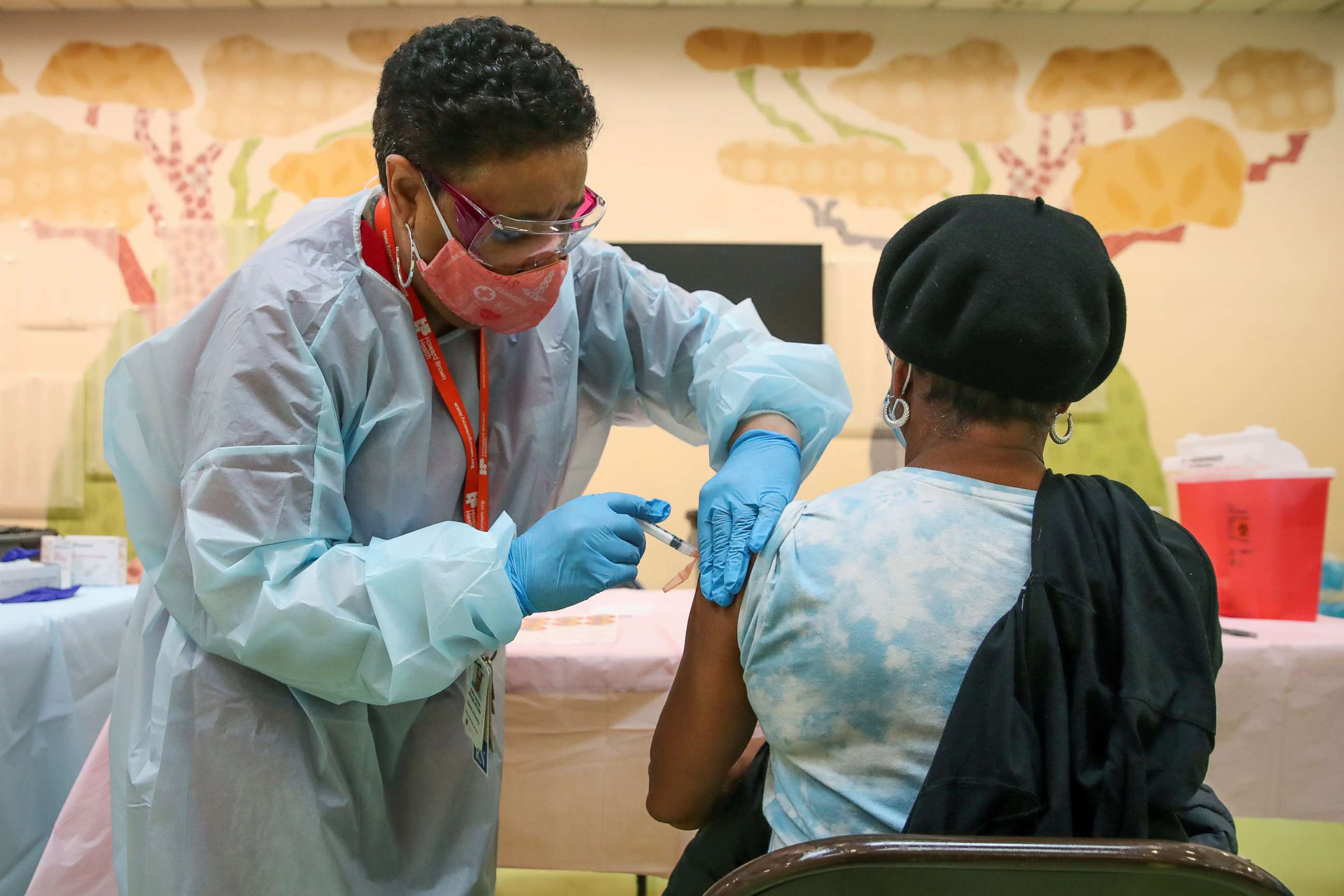
Black and Latinx residents make up about 30% and 29%, respectively, of Chicago residents, though during the first week of vaccine administration, they received 8.1% and 9.8% of first doses, respectively. In the week ending Feb. 13, they received 23.6% and 26.2% of first doses, respectively.
Meanwhile, 59.4% of first doses administered in the initial week went to white residents, who make up about half of the city's population, and 15.1% to Asian residents, who represent about 7% of residents. In the most recent week, the number of first doses administered to those populations dropped to 41.4% and 5.6%, respectively.
Vaccine equity has been a concern nationwide, as communities of color have been hit hardest by the COVID-19 pandemic. Black Americans are 2.3 times more likely to die from COVID-19 compared to white Americans when age is taken into account, one analysis found.
In Chicago, Black and Latinx residents account for nearly 72% of COVID-19 fatalities, based on city data, despite representing 59% of the city's population.
Lightfoot said that even before the city began administering vaccines, health officials knew "vaccine hesitancy, particularly among people of color, would be a significant challenge."
"And it has been," she said, citing the initial data.
To reach vulnerable populations, the city worked with several community partners, including unions and faith leaders, to provide education and access to the vaccine. In 15 neighborhoods hardest hit by the pandemic, the city has also gone "door to door" and into high-traffic areas like laundromats and grocery stores to help with scheduling appointments, Lightfoot said.
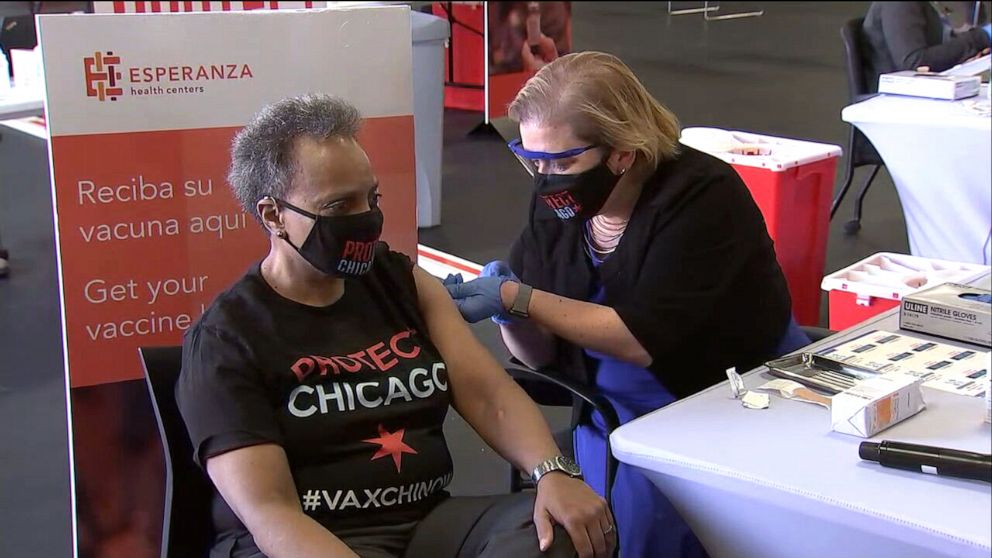
"We still have a long way to go," the mayor, who received her second dose of the vaccine Friday, said regarding the 50% vaccination rate. "I'm confident that that number will only continue to grow. It tells me that all of the outreach and education is finally breaking through."
On Jan. 25, vaccine eligibility was expanded to frontline essential workers and Chicagoans ages 65 and older.
The city is expected to expand eligibility to all other essential workers and Chicagoans between the ages of 16 and 64 with underlying medical conditions on March 29, pending supply.
ABC News' Brian Hartman contributed to this report.