Holiday heart attacks make this season one of the deadliest of the year
‘Tis the season for family time, festivities and -- for some people -- holiday heart attacks. While the holidays are a moment of celebration, it is also one of the deadliest seasons of the year.
Research has shown that fatal heart attacks are highest during the holidays. One study led by researchers at the University of California San Diego demonstrated that more cardiac deaths occur on Christmas Day than any other day of the year, peaking again on New Year's Day.
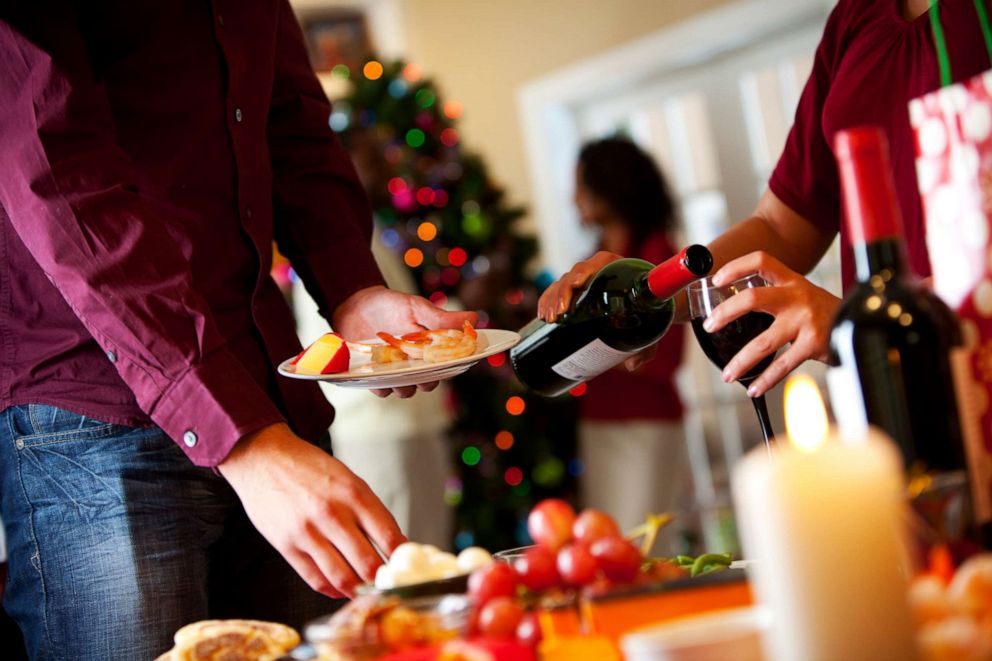
Around the holidays, people might be more likely to skip their medication doses or skip exercise. They might experience higher levels of stress and postpone their regular doctor appointments. This, paired with often higher levels of drinking and a high-salt diet, might lead to dangerously high blood pressure, flares of a condition known as congestive heart failure and heart attacks.
“A heart attack can represent an acute blockage of blood flow to one of the three main arteries that feed the cardiac muscle,” said Dr. Harsimran Singh, interventional cardiologist and the adult congenital heart disease director at New York-Presbyterian Hospital/Weill Cornell.
For others, the holidays may just be when their heart disease manifests. People with risk factors for heart disease, such as high blood pressure, diabetes, high cholesterol and smoking, may be at especially high risk of a heart attack. For those who do start to develop symptoms, some may delay seeking treatment, often out of guilt of inconveniencing others during the holiday season.
According to Dr. Evelyn Horn, cardiologist and the heart failure and pulmonary hypertension director at New York-Presbyterian Hospital/Weill Cornell, delayed heart attack treatment can cause "incremental heart muscle damage," which in turn can "lead to heart failure, arrhythmias" and other potentially lethal complications.
The most important step in preventing complications is to recognize the symptoms of a heart attack and seek treatment early.
"In the cardiology world, we often use the expression 'time is muscle,'" Singh said. "The sooner you seek treatment, the better you can mitigate lasting damage to the heart."
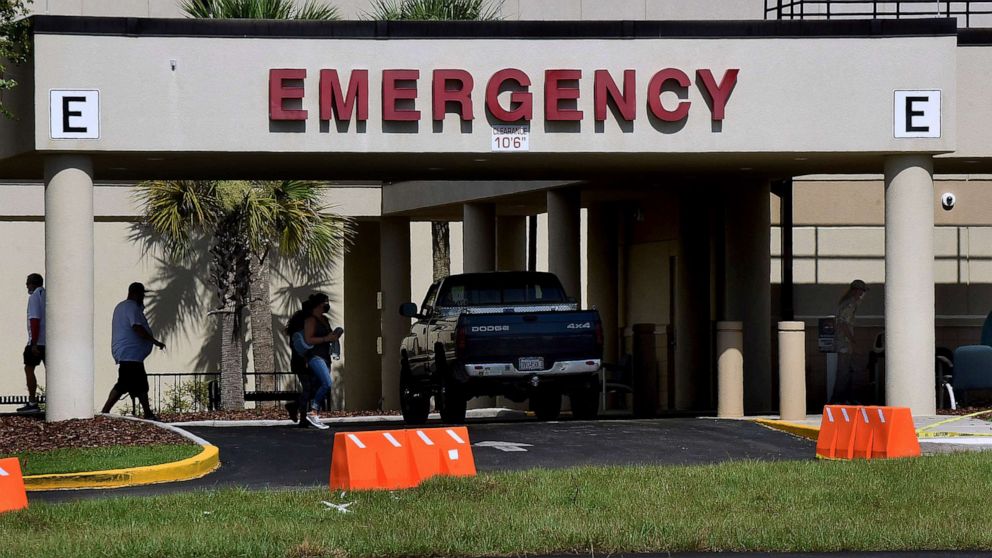
Cardiologists remain concerned that delays in seeking treatment for heart attack skyrocketed during the early phases of pandemic. A number of people hesitated to visit the emergency room despite severe symptoms, out of concern of contracting COVID-19.
Warning signs for a heart attack can include chest pain or discomfort, shortness of breath or pain in the shoulders, neck, jaw, arm or back. Alternatively, Singh added, certain people can present with less obvious symptoms, such as nausea, “sweats, fatigue or even simply a vague sense of internal uneasiness that something is wrong.”
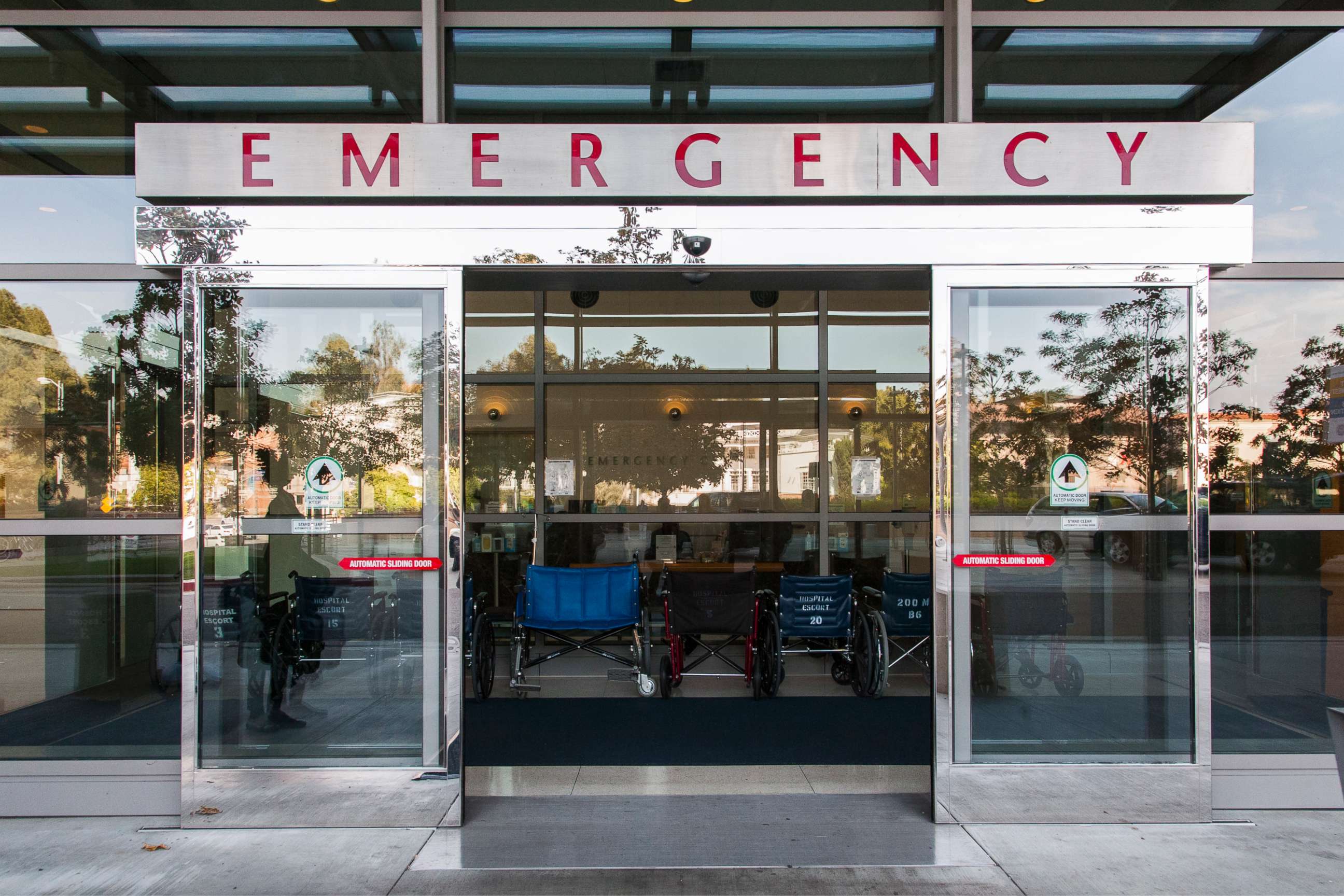
Among the people with less obvious symptoms are women and people with diabetes. Research has shown that while the majority of women who have a heart attack experience some chest discomfort, it may not be their most noticeable or severe symptom.
"This variability in patient presentation can make it challenging for clinicians to diagnose a heart attack by history alone," Singh said. For this reason, if you experience any of these symptoms, you should call 911 immediately.
In the emergency room, Singh said, “doctors can perform tests that are crucial in confirming the diagnosis of a heart attack.”
In addition to heart attacks, increased alcohol intake -- "which may be exacerbated by the extra loneliness of the holidays this year," according to Horn -- has also been linked with an abnormal heart rhythm called atrial fibrillation.
Atrial fibrillation triggered by excess alcohol use, commonly referred to as "holiday heart syndrome," occurs when the heart chamber known as the atria contracts in a chaotic way, resulting in a rapid, irregular pulse.
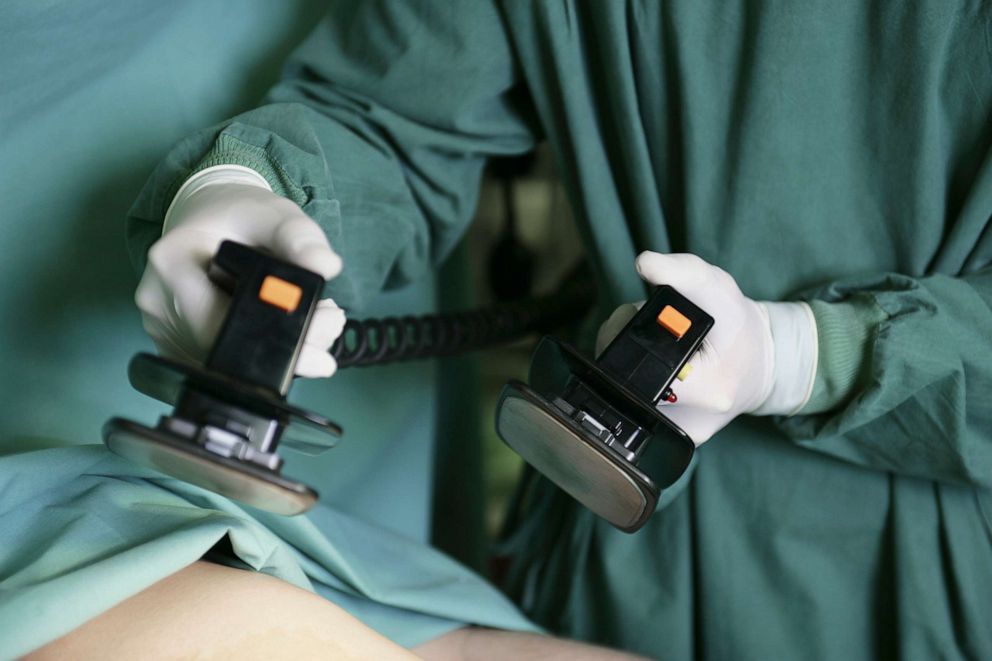
When the heart beats rapidly, fluid can back up in the lungs, causing shortness of breath. Over time, blood clots may also form in the atria. These clots can travel to the brain and cause a stroke. The risk of stroke is higher if you have a history of diabetes, high blood pressure or heart disease. If you feel your heart racing or skipping beats, you may have atrial fibrillation and should seek immediate medical attention.
There are precautions you can take to stay heart healthy this holiday season. Heart disease does not develop overnight, and the best way to prevent it is to engage in regular exercise, eat a healthy diet, moderate your alcohol intake and take all medications as prescribed. While the holidays can be a time of both celebration and stress, moderation is key. Ask your doctor for refills of your medications early, and obtain your flu shot, which has been linked with lower rates of heart disease and stroke.
Most importantly, if you do experience signs or symptoms of a heart attack, call 911 immediately. While it may feel like an inconvenience to those around you, it can save your life, and for that, your loved ones will forever be grateful.
Dr. Navjot Kaur Sobti is a cardiovascular disease fellow physician at New York-Presbyterian Hospital/Weill Cornell Medical Center and a member of the ABC News’ Medical Unit.