• Video
  • Shop
  • Culture
  • Family
  • Wellness
  • Food
  • Living
  • Style
  • Travel
  • News
  • Book Club
  • Newsletter
  • Privacy Policy
  • Your US State Privacy Rights
  • Children's Online Privacy Policy
  • Interest-Based Ads
  • Terms of Use
  • Your Privacy Choices
  • Contact Us
  • Recalls and Product Safety Alerts
  • © 2026 ABC News
  • Wellness

Indiana Couple Welcomes 'One in a Million' Set of Triplets

1:35
WRTV
Indiana Couple Expecting 'One in a Million' Triplets
WRTV
ByGILLIAN MOHNEY
March 27, 2015, 10:23 PM

— -- An Indiana couple is celebrating an extra-special arrival with the birth of their identical triplet daughters.

Ashley and Matt Alexander of Greenfield, Indiana, were surprised weeks ago when they learned they were expecting three new additions to their family during a routine sonogram, according to ABC affiliate WRTV-TV in Indianapolis, Indiana.

"She was checking [Ashley] and right away there were twins, and she goes, 'Let me check for a third,'" Matt Alexander told WRTV-TV in an earlier interview. "I'm like, she's just joking. I said, 'You're joking,' and she said, 'No, we don't joke about this stuff.' So [Ashley] about came off the table."

Related Articles

IVF Suprise For Couple Expecting Second Set of Triplets

Related Articles

Couple Welcomes Babies Born From Embryos Saved During Sandy

Related Articles

Fertility Clinic Offers Gender Selection, Draws a Crowd

The couple, who already have a son, had conceived the triplets naturally, so they were not expecting to see three heartbeats on the sonogram.

Ashley Alexander told WRTV-TV she has a plan to tell the girls apart.

"I'm painting their nails," she said. "One's going to be pink, one purple, and the other probably pale blue."

Dr. William Gilbert, the director of women's services for Sutter Health in Sacramento, California, said in an earlier interview with ABC News there was no definite rate for the number of identical triplets born every year.

"It's hard to calculate a conservative estimate," Gilbert said about the rate of naturally conceived identical triplets. "One in 70,000 - that would be on the low end. The high end is one in a million."
Up Next in Wellness—

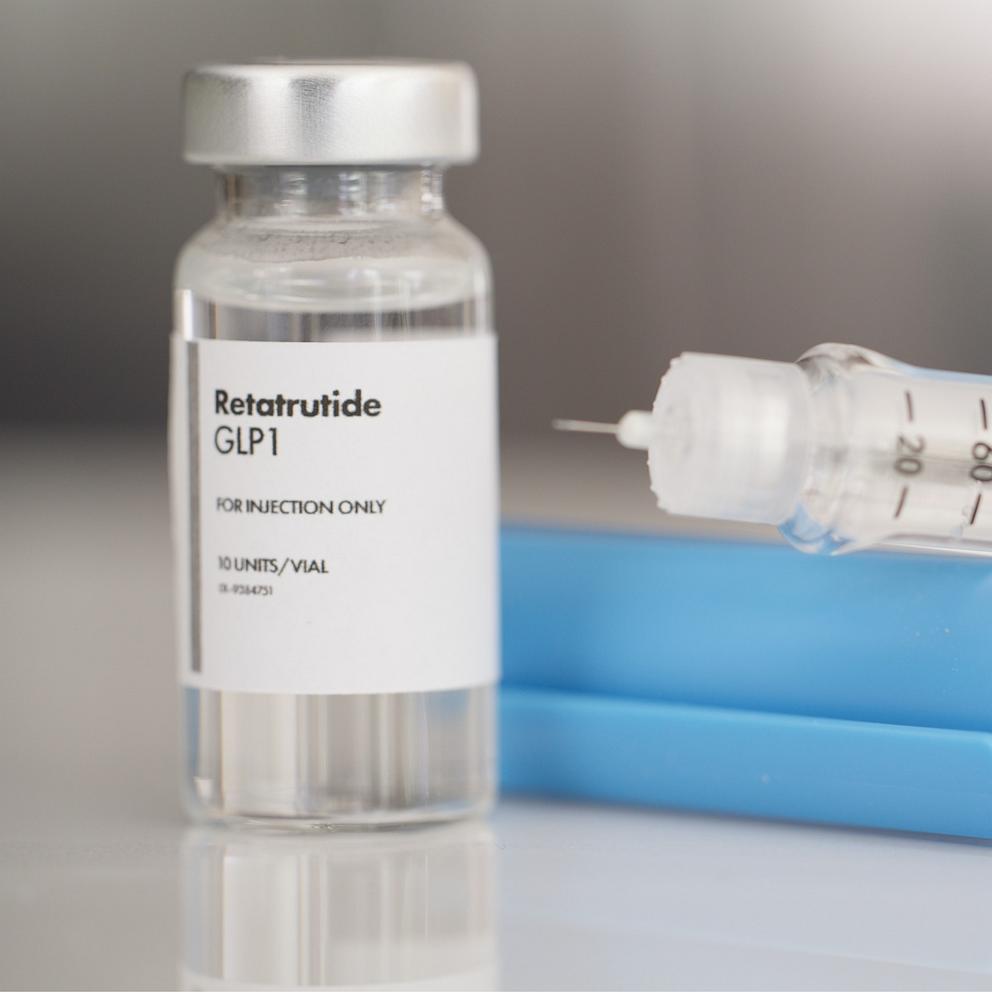
New weight loss drug retatrutide provides double the weight loss of Ozempic, data shows 

October 28, 2026

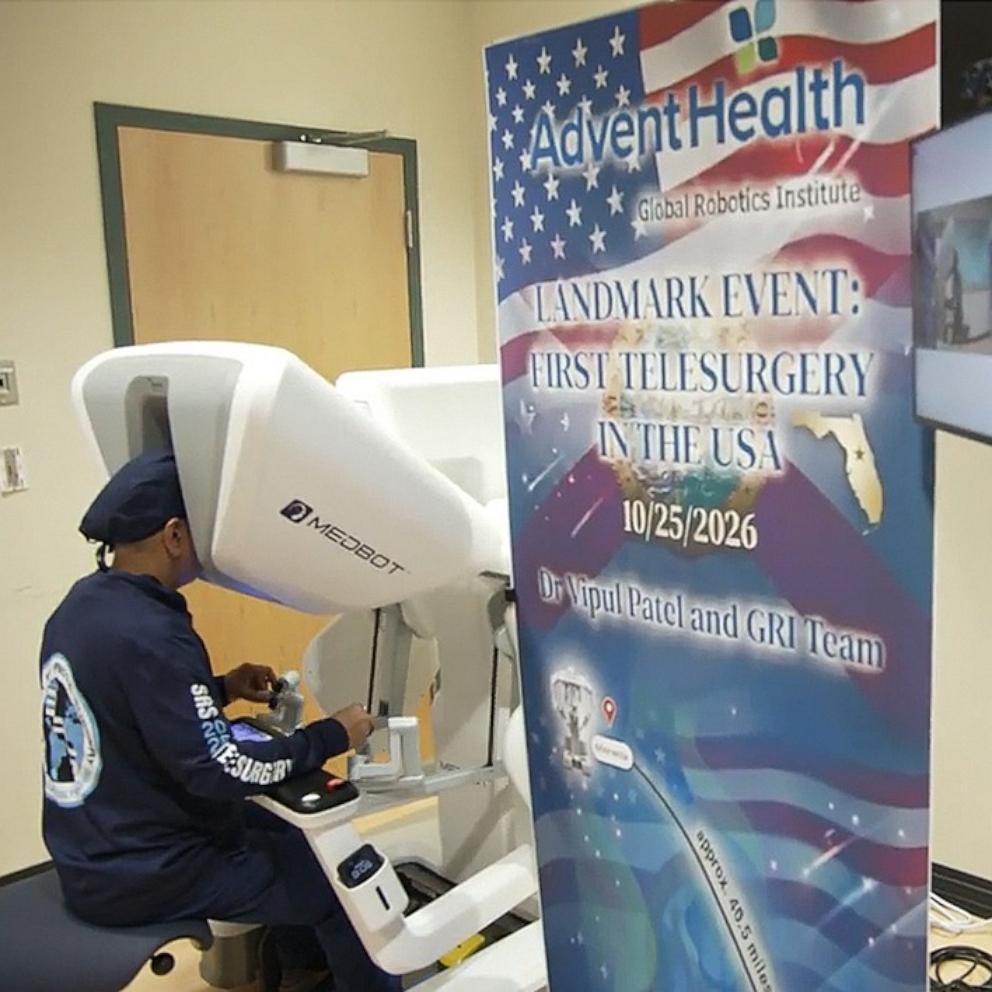
Doctor performs surgery on patient at hospital 35 miles away using robotics

October 26, 2026

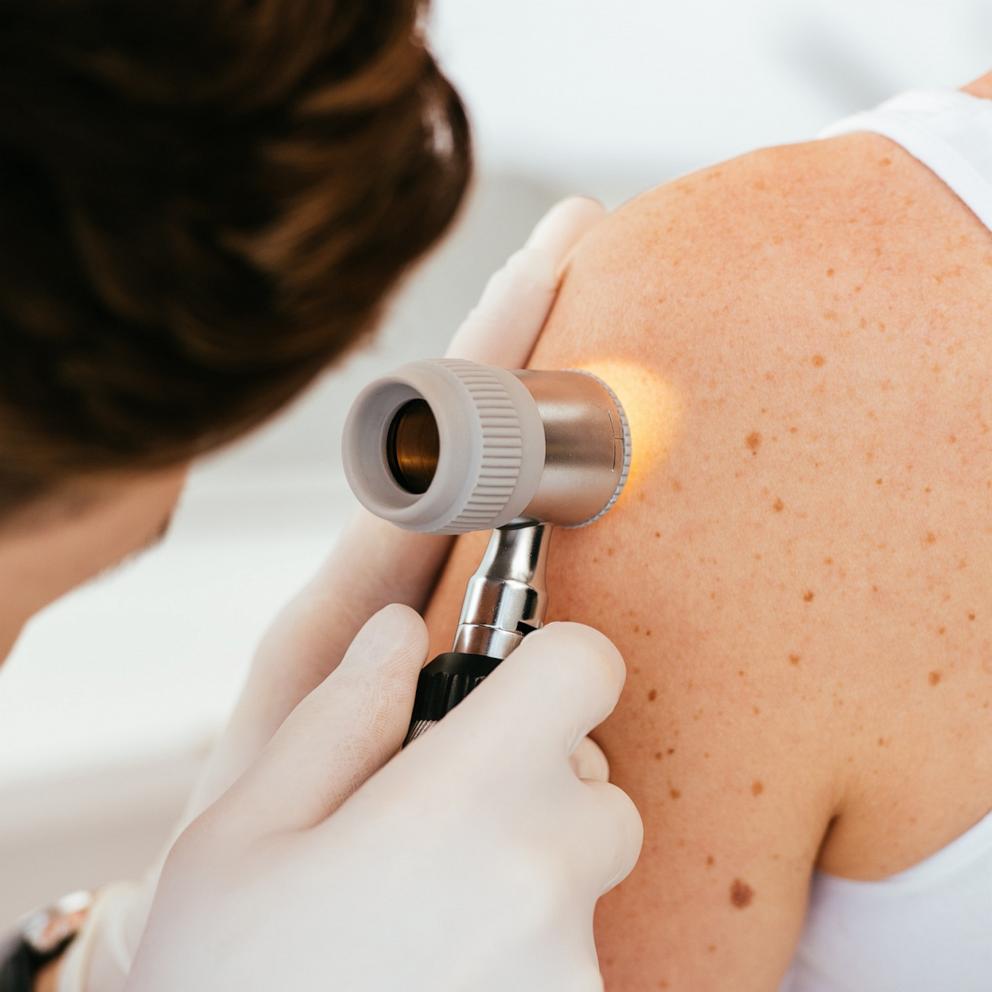
Breakthrough cancer vaccine reduces melanoma from returning by 42%, data shows

October 23, 2026

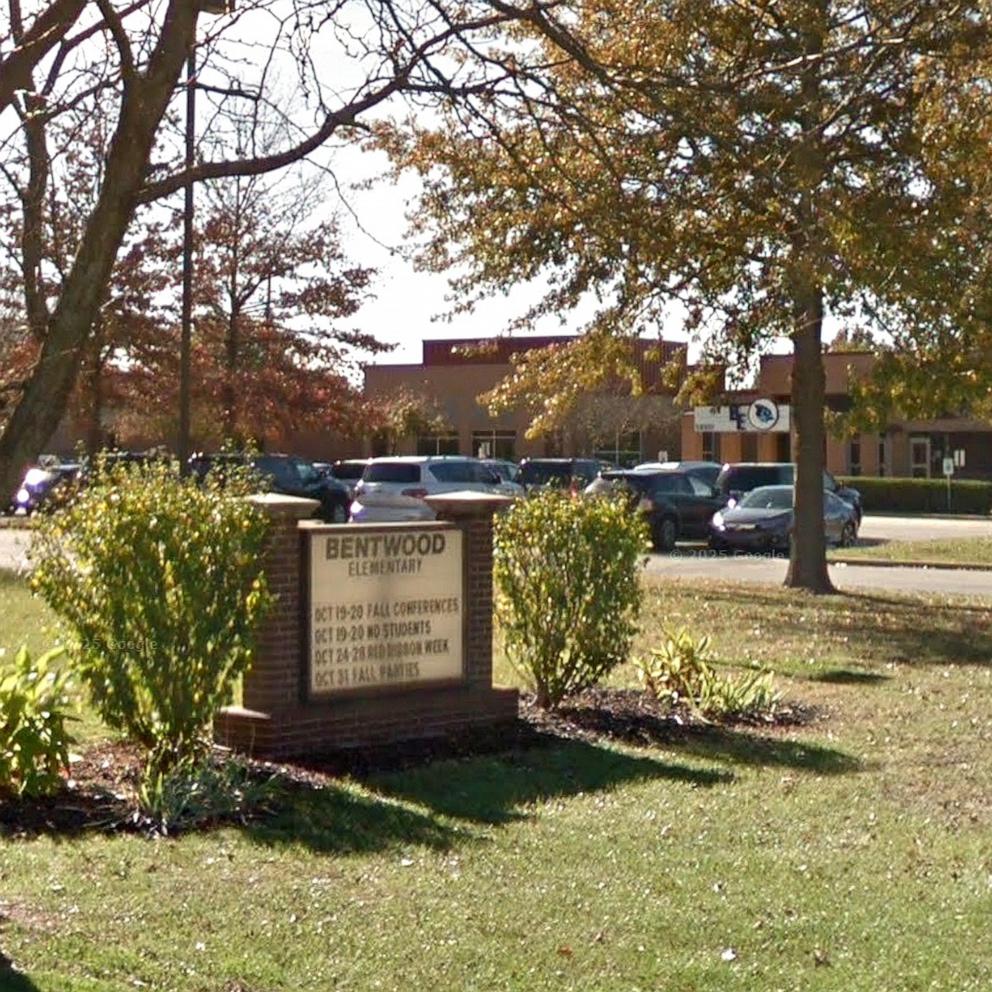
Nearly 100 cases of norovirus reported at Kansas elementary school, officials say

October 22, 2026

Shop GMA Favorites

ABC will receive a commission for purchases made through these links.

Sponsored Content by Taboola

The latest lifestyle and entertainment news and inspiration for how to live your best life - all from Good Morning America.
  • Contests
  • Terms of Use
  • Privacy Policy
  • Your Privacy Choices
  • Children’s Online Privacy Policy
  • Advertise with us
  • Your US State Privacy Rights
  • Interest-Based Ads
  • About Nielsen Measurement
  • Press
  • Feedback
  • Shop FAQs
  • ABC News
  • ABC
  • All Videos
  • All Topics
  • Sitemap
  • Recalls and Product Safety Alerts

© 2026 ABC News
  • Privacy Policy— 
  • Your US State Privacy Rights— 
  • Children's Online Privacy Policy— 
  • Interest-Based Ads— 
  • Terms of Use— 
  • Your Privacy Choices— 
  • Contact Us— 
  • Recalls and Product Safety Alerts— 

© 2026 ABC News