Junk food TV advertising likely highest when kids are watching, study says
A new study in Australia looked at how much junk food advertising kids were exposed to and the numbers were staggering.
Food advertising can directly affect the types of foods that children actually eat, The World Health Organization has said.
To establish just how much food advertising children may be exposed to, researchers in this study examined the advertising content of a single TV network in Australia for the year 2016. Researchers sorted through 30,000 hours of TV and over 800,000 advertisements, paying special attention to the times in which children were most likely to be watching: before school (7 to 9 am) and after school (4 to 10 pm).
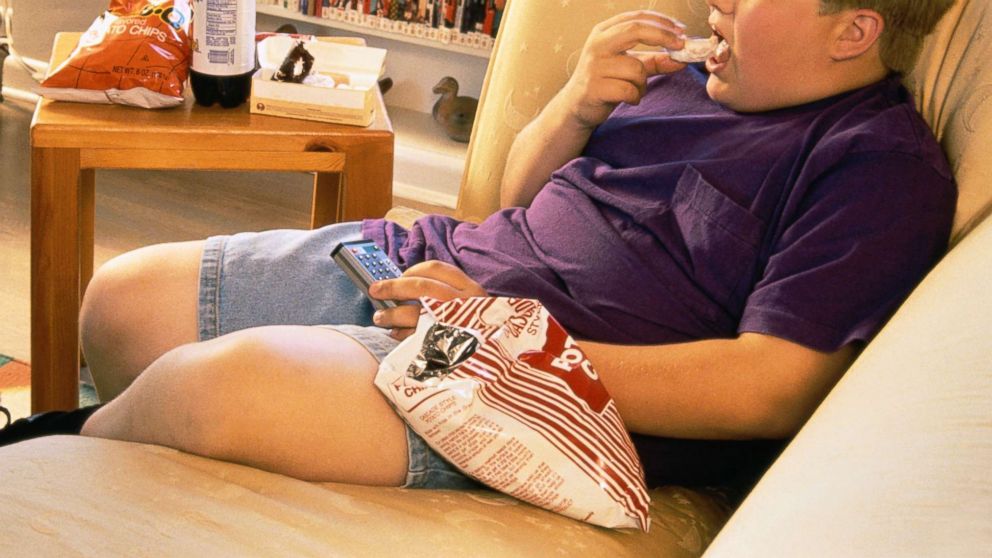
During these times, there were twice the amount of unhealthy foods advertisements, compared to the amount of healthy food advertisements. These unhealthy ads aired 1.7 times per hour. The most commonly advertised foods included snack foods like chips and popcorn, fried food and fast food. The least commonly advertised foods included vegetables, low sugar cereals and fruit.
The study calculated that an average school-aged child watched approximately 827 unhealthy food advertisements, amounting to 4 hours, in a single year.
The researchers made these calculations under the assumption that children watch 80 minutes of TV per day. But data from the American Academy of Pediatrics states that the average American child consumes more than 120 minutes of screen time per day so that estimate could be low for kids in the U.S.
Because of the long hours and the impact advertising can have on children, the authors of this study discuss the potential benefit of regulating unhealthy advertising on media children consume.
“Australian health, nutrition and policy experts agree that reducing children’s exposure to junk food ads is an important part of tackling obesity and there is broad public support for stronger regulation of advertising to protect children,” Professor Lisa Smithers, the article’s lead author, said in a statement.
Childhood obesity -- defined as a body mass index (BMI) greater than or equal to the 95th percentile, meaning the child weighs far more than what is ideal for their height -- is an epidemic on both a national and international scale.
In 2014, 17.4 percent of American children and teenagers were obese according to the U.S. Centers for Disease Control and Prevention. Children are obese for the same reasons adults are obese, the agency says, meaning too much bad food and too little activity are the main culprits -- although certain medications, poor sleep and lack of community support also play a role.
People who are obese as children are more likely to be obese as adults, the agency added. Obesity leads to a host of well-known medical issues including heart disease, diabetes, high blood pressure, sleep apnea, arthritis, liver disease, and gall bladder disease.
To combat this rising problem, the American Academy of Pediatrics recommends a diet high in vegetables, fruits, whole grains, low-fat dairy, and lean protein. They also recommend limiting sweetened beverages like soda or juice drinks, in addition to limiting all forms of sedentary entertainment like TV and video games.
When that entertainment includes advertisements for junk food, the study authors believe there may need to be limits set on how many can run, which could even include government policy.
"The first step in establishing whether to regulate is knowing what advertising children might be exposed to," she added. "Our work has done that more comprehensively than before."
More research would be needed to determine how much impact, and at what frequency, advertisements might have on children's food choices or their parents'.