Kids living near forests have more 'diverse' diets, better nutrition: Study
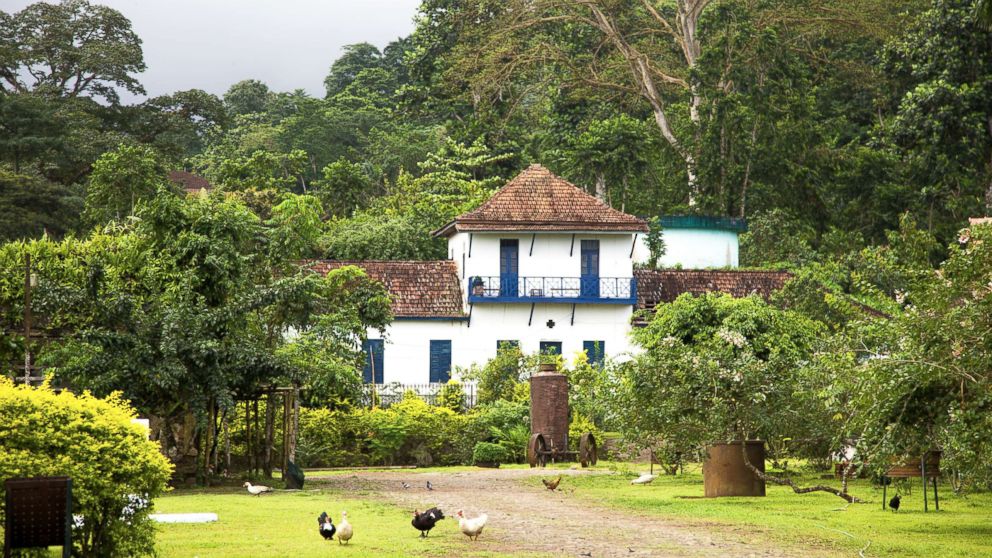
Children who live near forests appear to have better nutrition, according to a large-scale study across four continents.
No, they’re not eating pine cones and acorns. But they probably do have a more diverse diet, the study published in the journal Science Advances said, and that helps with overall nutrition.
In their analysis, the authors found that the children living close to forest edges had 25 percent greater dietary diversity. The study showed it also increased the chances children would be eating vitamin A-rich foods by at least 11 percent and iron-rich foods by 16 percent.
"Dietary diversity is a good proxy for micronutrient intake and tells us a lot about the overall health of a community," Brendan Fisher, a professor in UVM's Environmental Program in the Rubenstein School of Environment and Natural Resources, and a co-author on the new research, told ABC News.
Dietary diversity was measured using an "individual dietary diversity score" developed by the Food and Agricultural Organization of the United Nations. The score is a simple count of the main food groups an individual has consumed over a 24-hour period.
Researchers from the University of Vermont’s Gund Institute for Environment collected this data on children's diets in more than 43,000 households across 27 developing countries to examine whether living near forests had any effect.
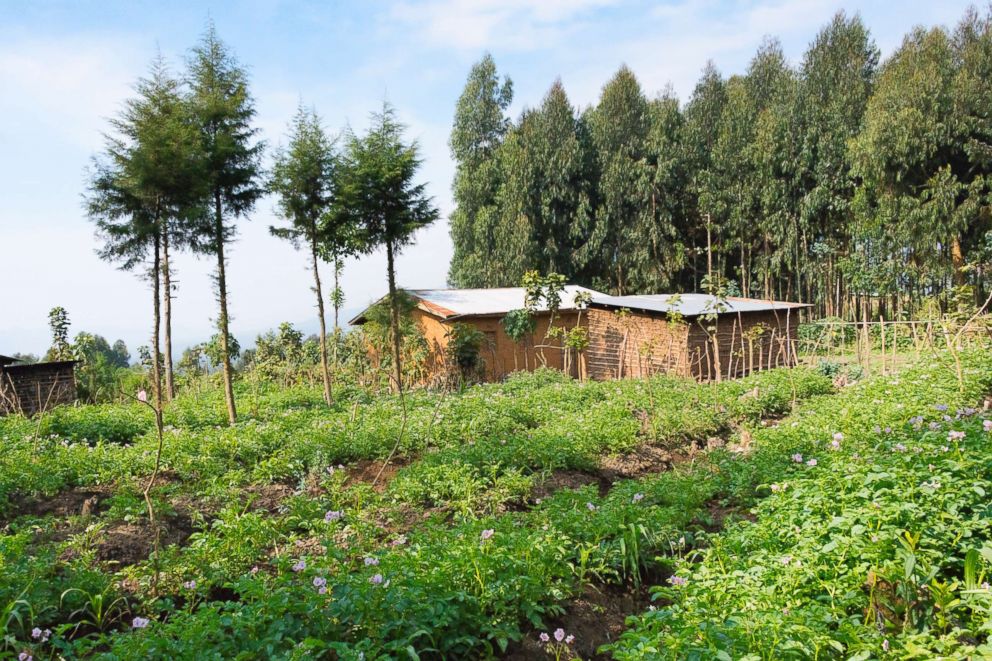
The research team built their study models from the massive trove of information collected by the U.S. Agency for International Development between 2000 and 2013. Because of the large number of records, they were able to make global conclusions about the children's diets. The results showed that, in otherwise similar households, the ones within about 2 miles of a forest had better nutrition than those farther away.
Why would forests promote more diverse diets? The authors offer several explanations.
More wild pollen and pollinators can exist around forests, which can promote a wider range of plants. The forests can also be a source of natural resources for families to either use or sell for money to buy more diverse foods. Having forests nearby can also reduce the amount of time searching for fuel and other resources so families can focus on other aspects of the household, such as food preparation.
The results from the study do question the idea that the best way to improve childhood nutrition in poorer countries is clearing forests to make way for more farmland.
"Economic development and forest conservation are typically thought of as trade-offs--that leaders have to prioritize one or the other," Taylor Ricketts, director of UVM’s Gund Institute and senior author of the study, said in a statement. "This study helps to show that's just not always, or even usually, true. More often than we think, it's a false choice."
More than two billion people in the developing world suffer from a lack of micronutrients, according to the World Health Organization. Without enough vitamin A and iron, children can have stunted growth, brain damage and, in extreme cases, die.
Farming programs are starting to consider moving beyond single crops, such as rice and corn, because local people cannot survive on monocrops and planting a wider range of plants could help give them access to a more diverse range of nutrients from the different foods.
"Our study shows that conservation and health can go hand in hand," Fisher said.
Living near markets and roads also appeared to help increase the diversity in children's diets and moderate living long distances from forests.
"Communities need at least some access to roads, markets, and education in order to get the most benefit from their forests," Ranaivo Rasolofoson, a post-doctoral researcher at UVM who grew up in Madagascar, said in a statement.
Markets and roads, though, also seem to encourage deforestation –- and farmers have to sell their wares further away.
The researchers hope this global study can encourage governments to support forest conservation, not only to help slow climate change and protect surrounding wildlife, but also to help children thrive.
"This study is a wake-up call that people who work on forest conservation and those that work on improving children's health should be working together and coordinating what they do," Fisher said in a statement. "We are now seeing a lot more examples of how an integrated approach to some of the world's most pressing problems pays double dividends."
Ryan Guinness M.D., M.P.H. is an internal and preventive medicine resident physician, currently working for ABC News Medical Unit.