6 Lyme Disease Myths Debunked
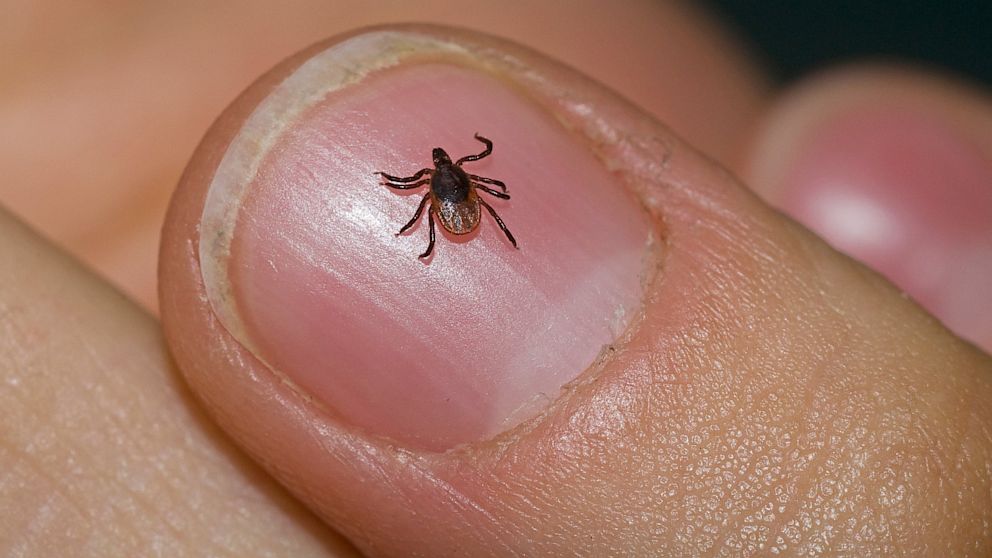
Aug. 21, 2013— -- intro: Lyme disease affects 300,000 Americans each year, according to a new report from the U.S. Centers for Disease Control and Prevention -- that's 10 times more people than previously thought. And the toll of the tick-borne disease isn't the only misconception.
Here are six myths about Lyme disease and its treatment debunked.
quicklist: 1category: Myths About Lyme Diseasetitle: You can get Lyme disease anywhere in the U.S.url:text: Ninety-six percent of all Lyme disease cases cluster in 13 states: Connecticut, Delaware, Maine, Maryland, Massachusetts, Minnesota, New Hampshire, New Jersey, New York, Pennsylvania, Vermont, Virginia and Wisconsin.
The bacterial disease spreads to humans from blacklegged ticks (but don't shoot the messenger -- the ticks pick up the bug Borrelia burgdorferi from deer and rodents). So if you live outside of the mid-Atlantic, northeast or north-central United States where blacklegged ticks thrive, your Lyme disease risk is really low.
Meat Allergy in Kids Tied to Tick Bites
quicklist: 2category: Myths About Lyme Diseasetitle: If you never had bulls-eye rash, you can't have Lyme disease.url:text: Only 80 percent of Lyme disease cases come with the target-shaped skin rash known as erythema migrans -- latin for "migrating redness." And because the rash is migrating, you might miss it.
"It's not painful and it doesn't itch," said Dr. William Schaffner, an infectious disease expert and chair of preventive medicine at Vanderbilt Medical Center, noting that the rashes center on bite sites that are often hidden on hairlines and in the underarms or groin area. "We may not even notice them."
Like most bacterial infections, Lyme disease can also cause fever, chills, headache, muscle and joint pain, and swollen lymph nodes, according to the CDC. So if you've been in an area known for Lyme disease and develop any of the above symptoms, visit a doctor.
Backyard Killer Mimics Malaria and Is on the Rise
quicklist: 3category: Myths About Lyme Diseasetitle: If you've been bitten by a tick, you have Lyme disease.url:text: Not all ticks carry the Lyme-spreading bacterium Borrelia burgdorferi, and not all bug-carrying ticks transmit Lyme disease.
"In most cases, the tick must be attached for 36 to 48 hours or more before the Lyme disease bacterium can be transmitted," the CDC says on its website.
The best way to prevent Lyme disease is to avoid tick bites by wearing protective clothing and tick repellent. But the next best thing is to quickly spot and remove ticks from the body.
"Tweezers work best, but if you don't have tweezers you can use a tissue to firmly grasp and gently pull the tick off of the skin," said Schaffner, stressing that "old-timey" remedies that involve burning or suffocating ticks are less effective. "The longer the tick is in place, the more likely it is to transmit the Lyme organism to you. So finding it early and getting it removed is best."
Girl Dies After Tick Bite Infection
quicklist: 4category: Myths About Lyme Diseasetitle: The tests for Lyme disease are usually wrong.url:text: Blood tests for Lyme disease have "very good sensitivity," according to the CDC, meaning they're quite good at detecting antibodies produced by the body in response to the infection. But like most medical tests, they have their limitations.