Maine confirms deadly case of rare tick-borne illness
A Maine resident has died from a rare but potentially dangerous tick-borne illness, health officials said.
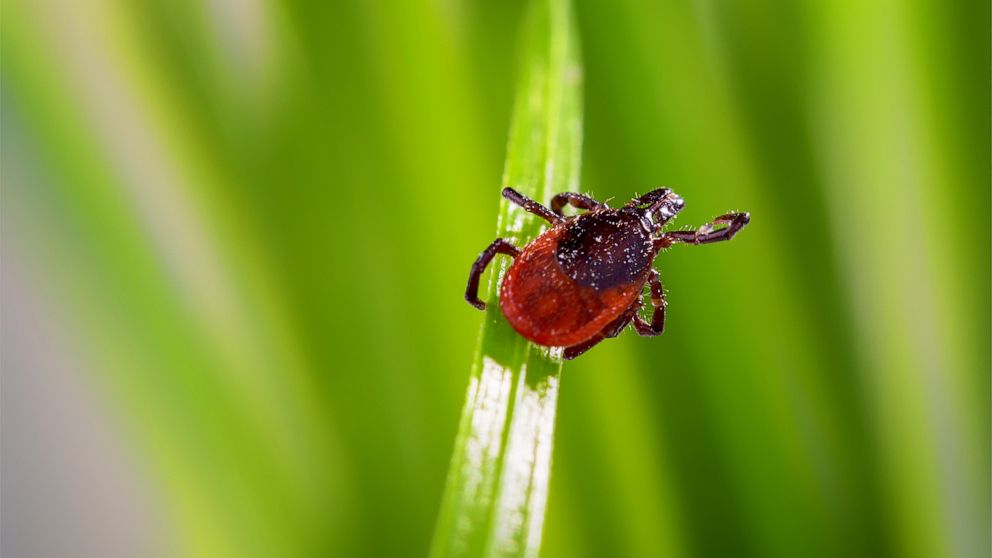
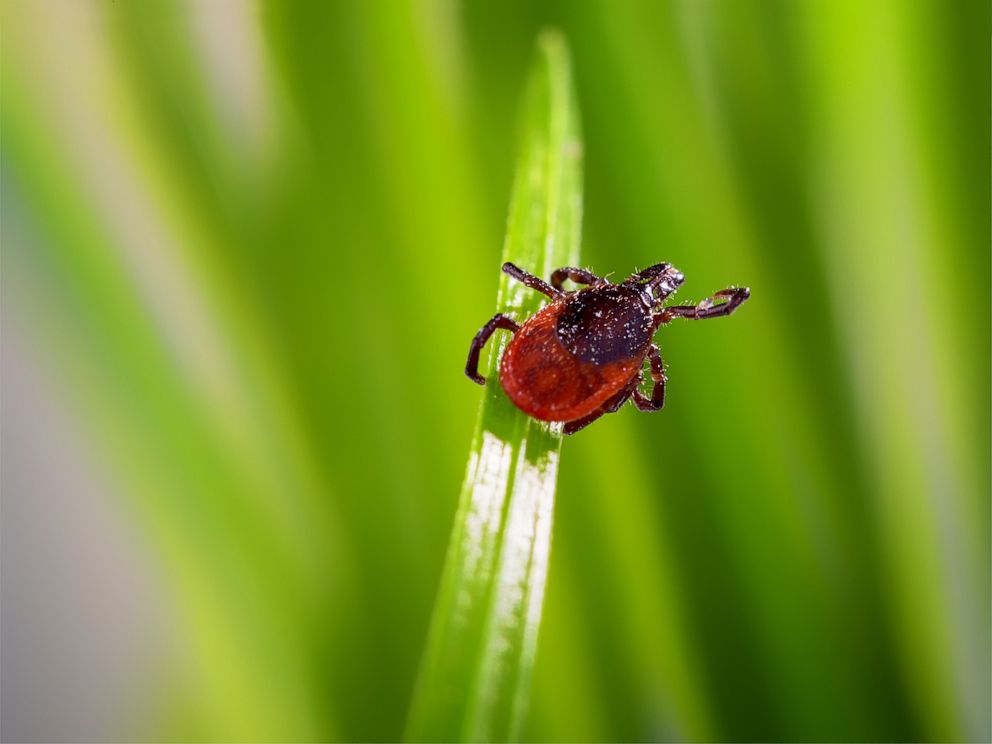
The Maine Center for Disease Control and Prevention said Wednesday it has confirmed a fatal case of Powassan virus, an illness spread by the bite of infected deer (aka black-legged) or woodchuck (aka groundhog) ticks.
The person, a resident of Waldo County in south-central Maine, developed neurologic symptoms and died in the hospital, according to the Maine CDC. The person likely became infected in Maine, health officials said. No further details on the case were provided.
"Ticks are active and looking for a host to bite right now," Nirav D. Shah, director of the Maine CDC, warned residents in a statement. "I urge Maine people and visitors to take steps that prevent tick bites."
Cases of Powassan virus are very rare, with about 25 reported each year in the U.S. since 2015, according to the Maine CDC. Since 2010, Maine has identified 14 cases, the agency said.
Though rare, the number of reported cases of people sick from the virus has increased in recent years, according to the U.S. Centers for Disease Control and Prevention. Most cases occur in the Northeast and Great Lakes regions from late spring through mid-fall, it said.
Many people infected with Powassan virus do not get sick, according to the Maine CDC. Symptoms can start one week to one month after the bite and can include fever, headache, vomiting, weakness, confusion, loss of coordination, memory loss, slurred speech or seizures. The virus can also cause serious neurologic problems, like brain inflammation, known as encephalitis, which can be deadly.
There is no vaccine to prevent Powassan or medicine to treat the disease. The best protection against any tick-borne disease is to prevent tick bites in the first place.
Health officials advise avoiding tick habitats -- wooded and bushy areas with tall grass -- whenever possible and to stay in the middle of trails when hiking. People can further protect themselves with EPA-approved repellants on skin and clothing.
During tick season, people should perform tick checks on themselves every day, especially after leaving a tick habitat and upon returning home. They should also check their clothing, gear and pets for ticks.