• Video
  • Shop
  • Culture
  • Family
  • Wellness
  • Food
  • Living
  • Style
  • Travel
  • News
  • Book Club
  • Newsletter
  • Privacy Policy
  • Your US State Privacy Rights
  • Children's Online Privacy Policy
  • Interest-Based Ads
  • Terms of Use
  • Do Not Sell My Info
  • Contact Us
  • © 2026 ABC News
  • Wellness

Mammoth bones found in man-made pit reveal tantalizing evidence of hunting behavior
0:49
Mammoth skeletons found in 15,000-year-old human-made traps
INAH via AFP/Getty Images
ByErin Schumaker
November 07, 2019, 5:24 PM

Anthropologists in Mexico say they’ve uncovered more than 800 bones from 14 mammoths, in two human-made traps north of Mexico City, which are thought to be 15,000 years old.

Related Articles

(MORE: Rare Mammoth Hybrid Unearthed by Michigan Farmer)

The pits -- which are 6 feet deep and 25 yards in diameter -- were discovered when the site was excavated to be used as a garbage dump, according to a statement from Mexico’s National Institute of Anthropology and History.
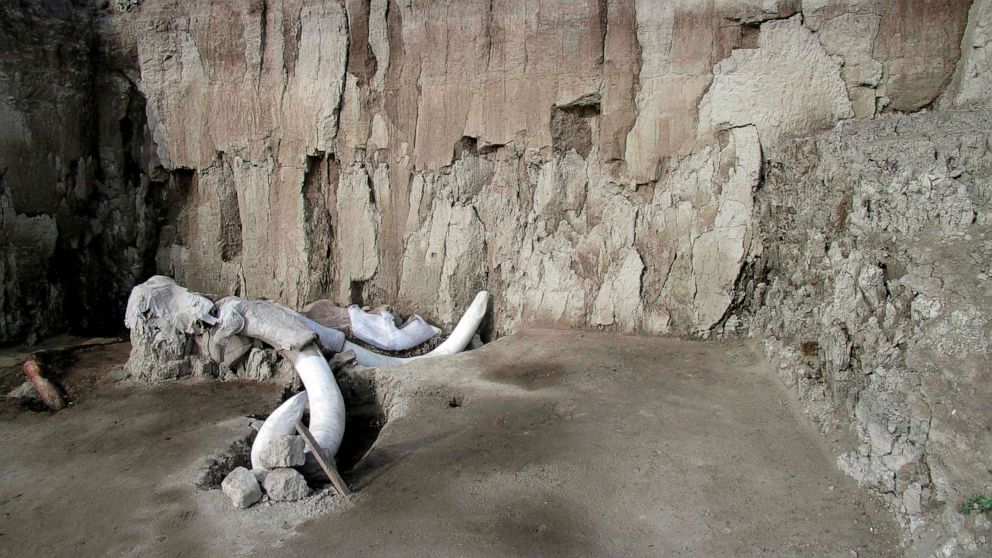
Mammoth bones found in what is believed to be the first mammoth trap set by humans, in Tultepec, Mexico, in a photo released by Mexico's National Institute of Anthropology (INAH).
INAH via AFP/Getty Images

Researchers think that groups of 20 or 30 prehistoric hunters herded the mammoths with torches and branches, attempting to separate one animal from the group and lead it into a trap. A series of such traps in the area may have increased hunters' mammoth-trapping success rate.

Related Articles

(MORE: Woolly Mammoth Discovered in Siberia)

This differs from anthropologists' previous belief that early humans only killed mammoths that were already wounded or trapped.
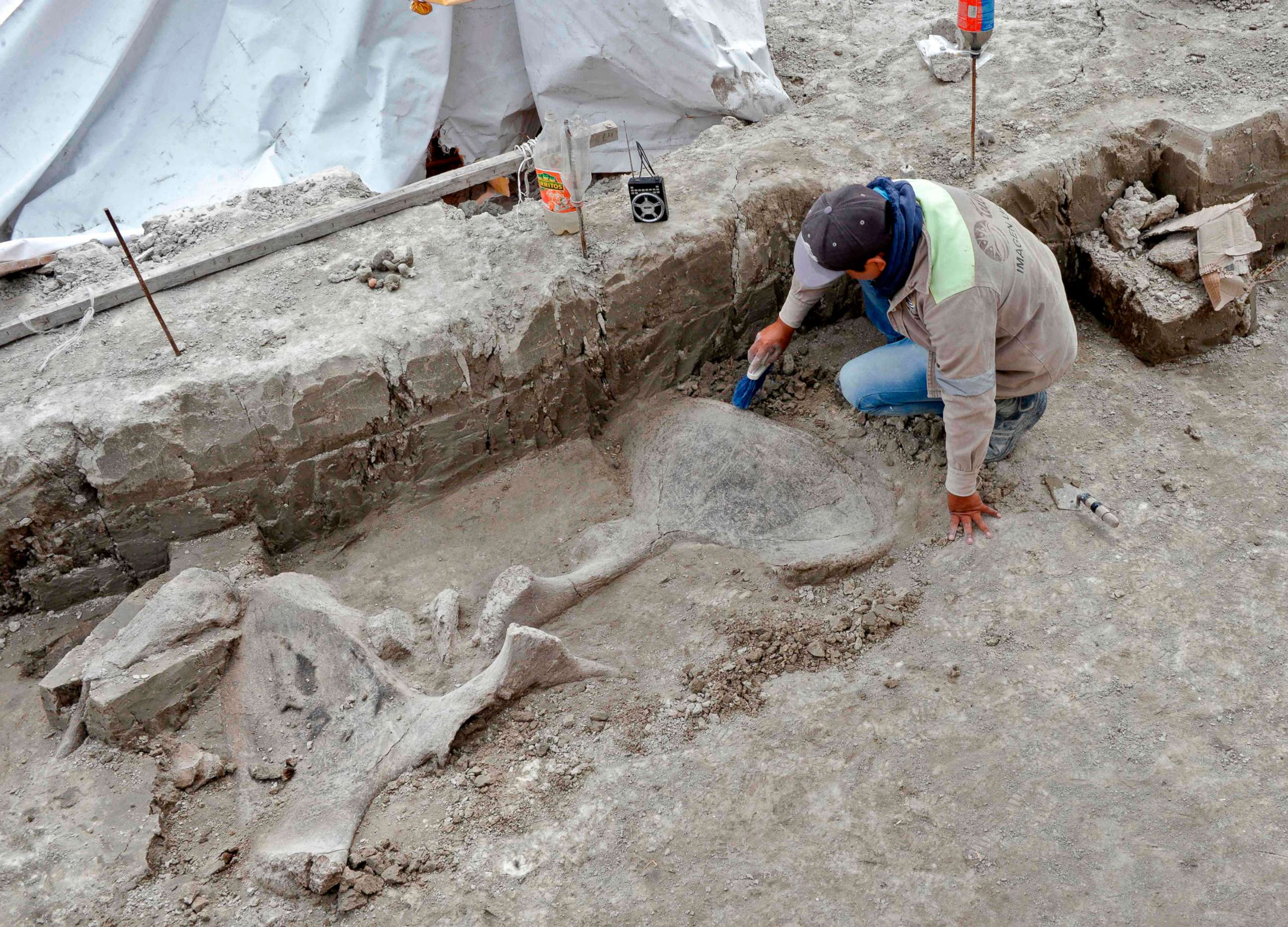
PHOTO: An expert works on mammoth bones found in what is believed to be the first mammoth trap set by humans, in Tultepec, Mexico, in a photo released by Mexico's National Institute of Anthropology (INAH).
A expert works on mammoth bones found in what is believed to be the first mammoth trap set by humans, in Tultepec, Mexico, in a photo released by Mexico's National Institute of Anthropology (INAH).
INAH via AFP/Getty Images

Other bones recovered in the pit include the vertebrae and jaw of a camel, as well as molars from a horse.
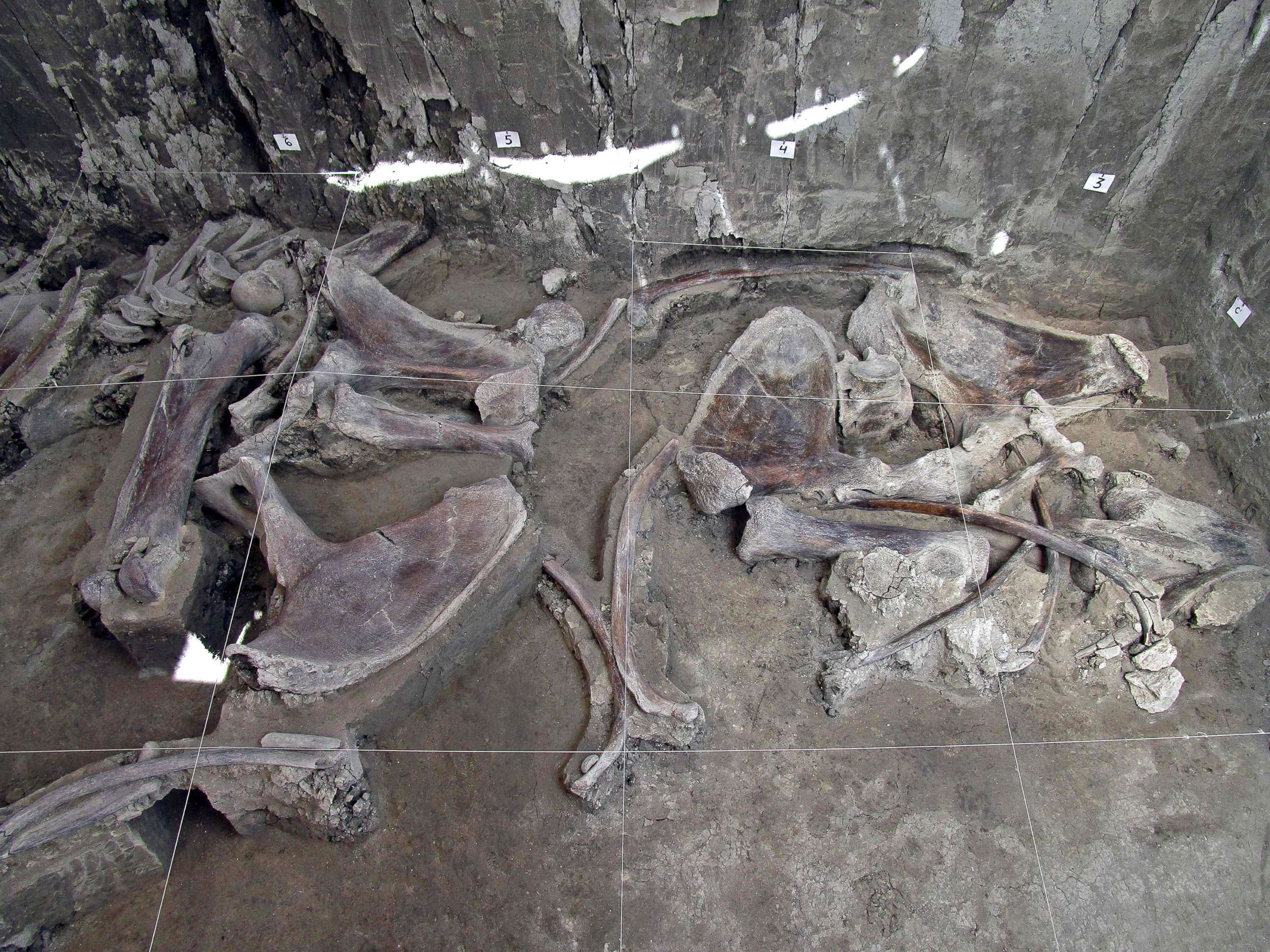
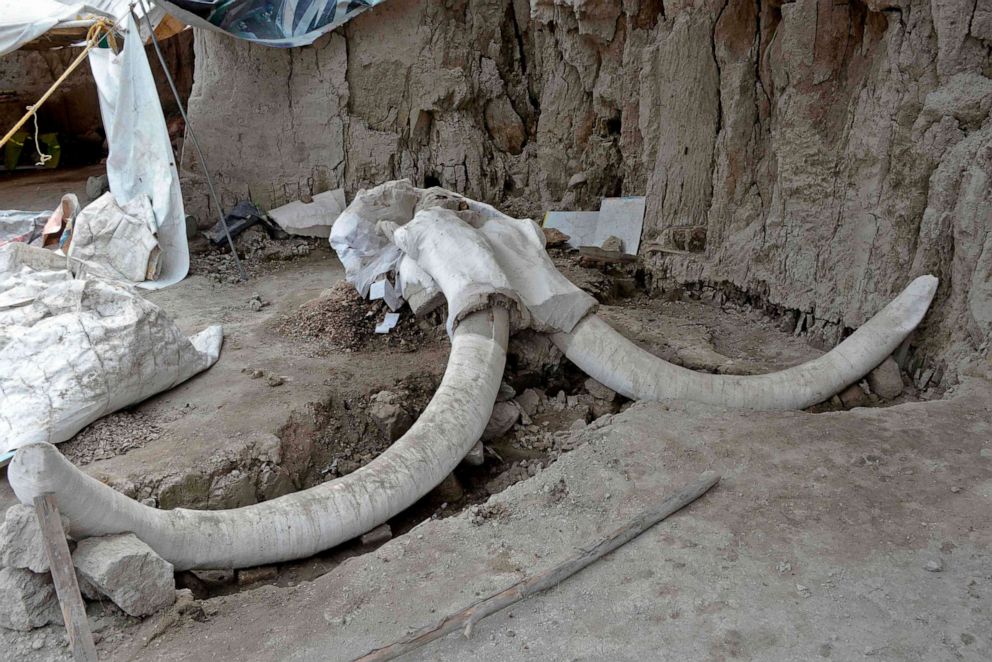
The bones of at least 14 mammoths bones were found in what is believed to be the first mammoth trap set by humans, in Tultepec, Mexico, in a photo released by Mexico's National Institute of Anthropology (INAH).
INAH via AFP/Getty Images

The region is apparently a hotbed for archaeology. A similar incident occurred in the same city in 2015. In that case, workers digging to install drainage pipe uncovered mammoth remains.
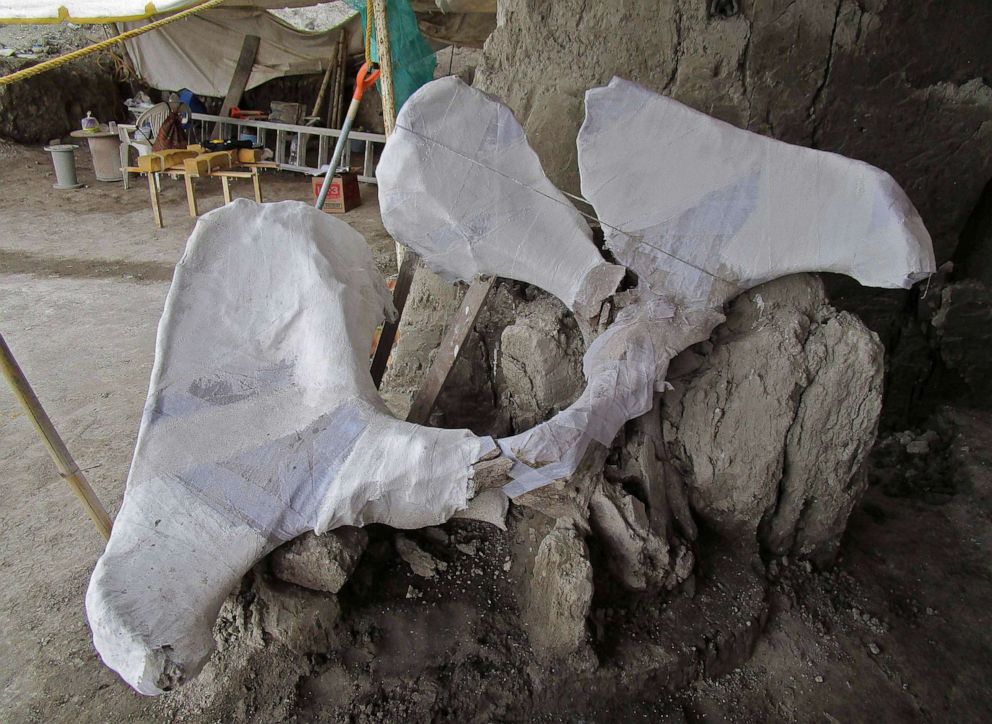
Mammoth bones found in what is believed to be the first mammoth trap set by humans, in Tultepec, Mexico, in a photo released by Mexico's National Institute of Anthropology (INAH).
INAH via AFP/Getty Images

It's unclear how the discovery would affect plans for the landfill.
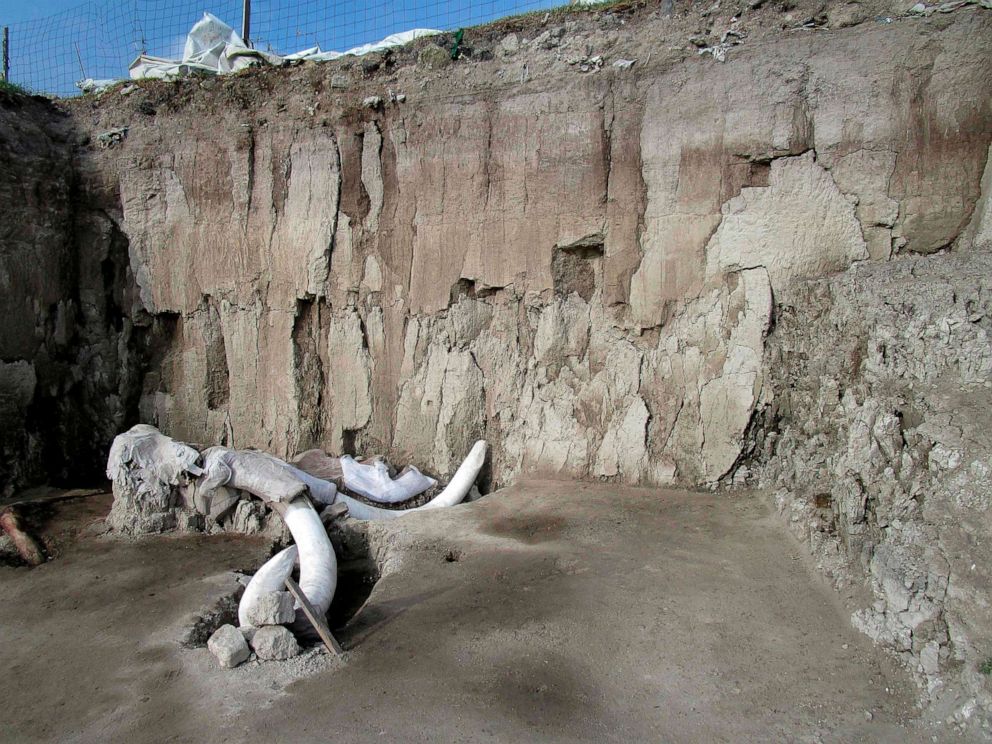
Mammoth bones found in what is believed to be the first mammoth trap set by humans, in Tultepec, Mexico, in a photo released by Mexico's National Institute of Anthropology (INAH).
INAH via AFP/Getty Images

Up Next in Wellness—

Doctor breaks down study showing GLP-1s may lower breast cancer risk

June 3, 2026

Identical twin doctors return to lead hometown hospital ER

June 3, 2026

Experimental pancreatic cancer drug offers new hope in major trial

June 1, 2026

Inhaled insulin now FDA-approved for kids 6 and over with diabetes

May 29, 2026

Shop GMA Favorites

ABC will receive a commission for purchases made through these links.

Sponsored Content by Taboola

The latest lifestyle and entertainment news and inspiration for how to live your best life - all from Good Morning America.
  • Contests
  • Terms of Use
  • Privacy Policy
  • Do Not Sell My Info
  • Children’s Online Privacy Policy
  • Advertise with us
  • Your US State Privacy Rights
  • Interest-Based Ads
  • About Nielsen Measurement
  • Press
  • Feedback
  • Shop FAQs
  • ABC News
  • ABC
  • All Videos
  • All Topics
  • Sitemap

© 2026 ABC News
  • Privacy Policy— 
  • Your US State Privacy Rights— 
  • Children's Online Privacy Policy— 
  • Interest-Based Ads— 
  • Terms of Use— 
  • Do Not Sell My Info— 
  • Contact Us— 

© 2026 ABC News