Mask shaming ignores COVID-19 fears of immunocompromised people
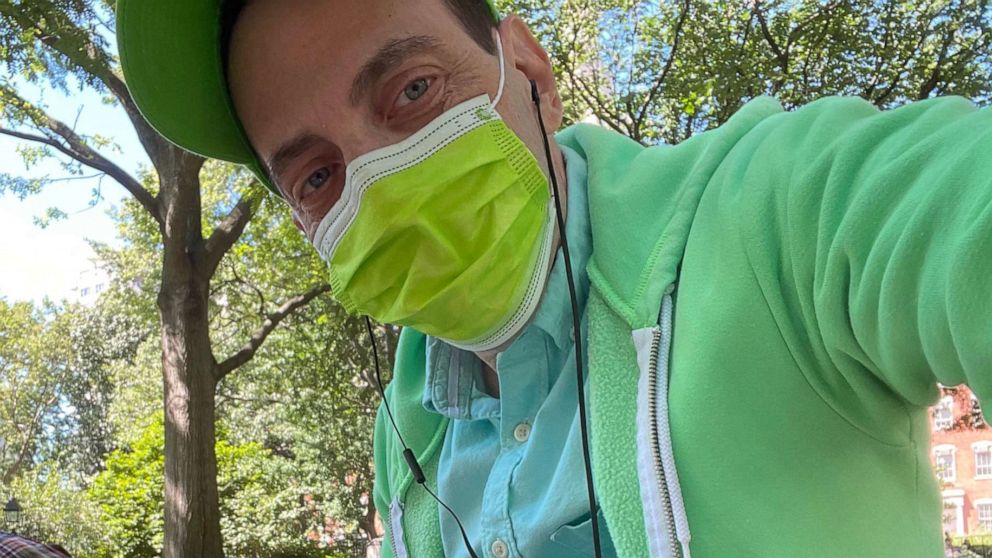
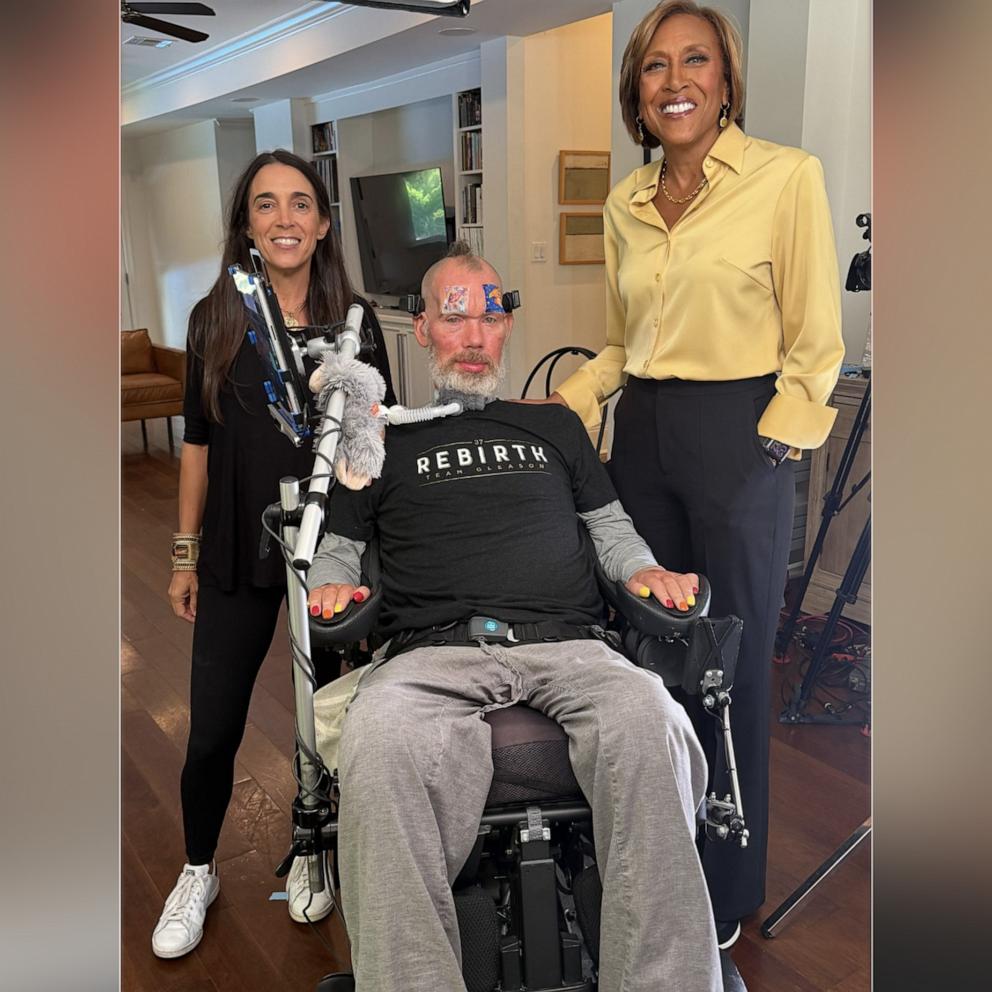
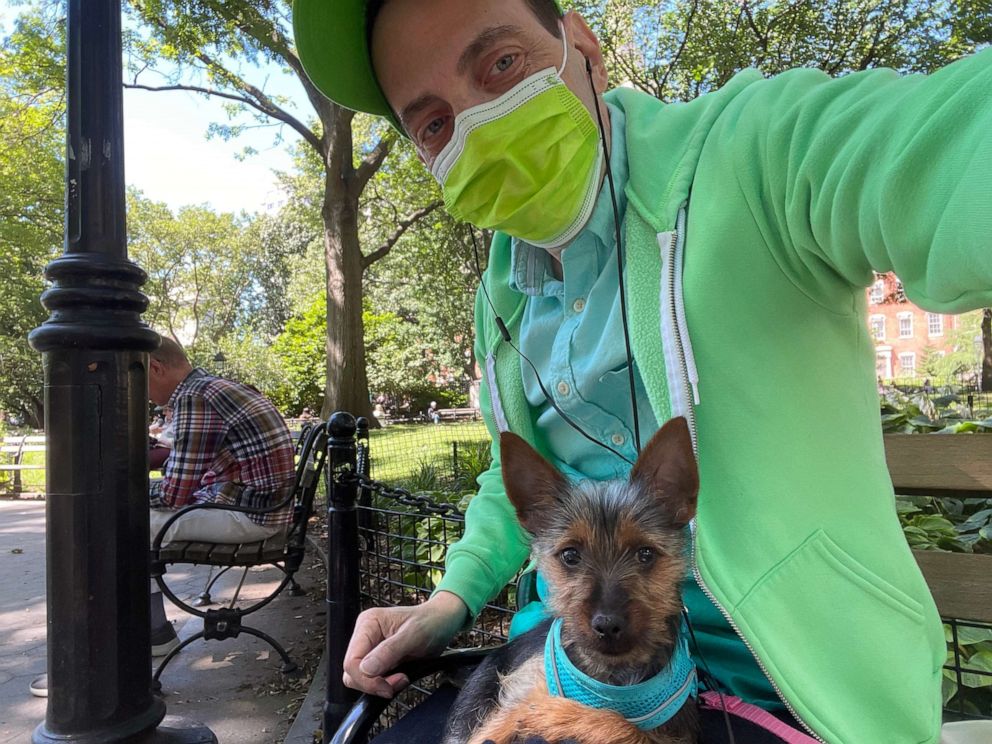
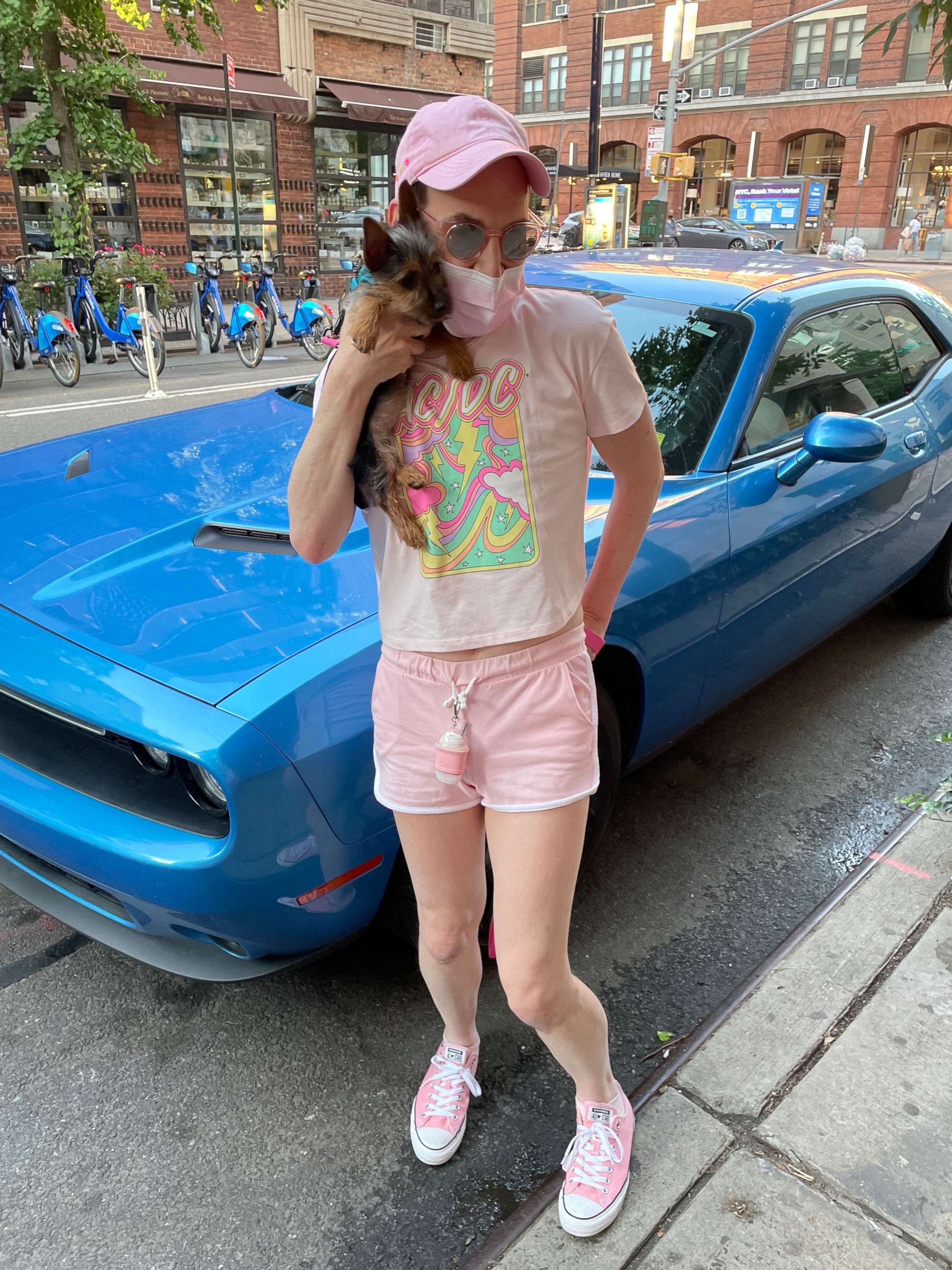
When Peter Morley, who has an autoimmune disease, was out and about on the streets of New York City for Pride Month celebrations in June, he wore a mask -- as well as a matching outfit with his best friend, Charlie.
Their matching outfits caught the attention of a photographer, and when the two posed, Morley said the photographer asked him to pull his mask down. After Morley declined, the photographer responded by saying, "COVID is over. Get on with your life."
"I said to him: 'This is my life,'" Morley told ABC News in an interview. "I live with autoimmune disease, and long after COVID is gone, I still have to take extra measures to protect myself. ... He rolled his eyes and walked away."
Morley has lupus, a disease caused when the immune system attacks its own organs or tissues.
He’s just one person in the roughly 6.2% of U.S. adults aged 18-64 who are living with a weakened immune system, according to the Centers for Disease Control and Prevention. Approximately 60% of Americans live with a chronic health condition.
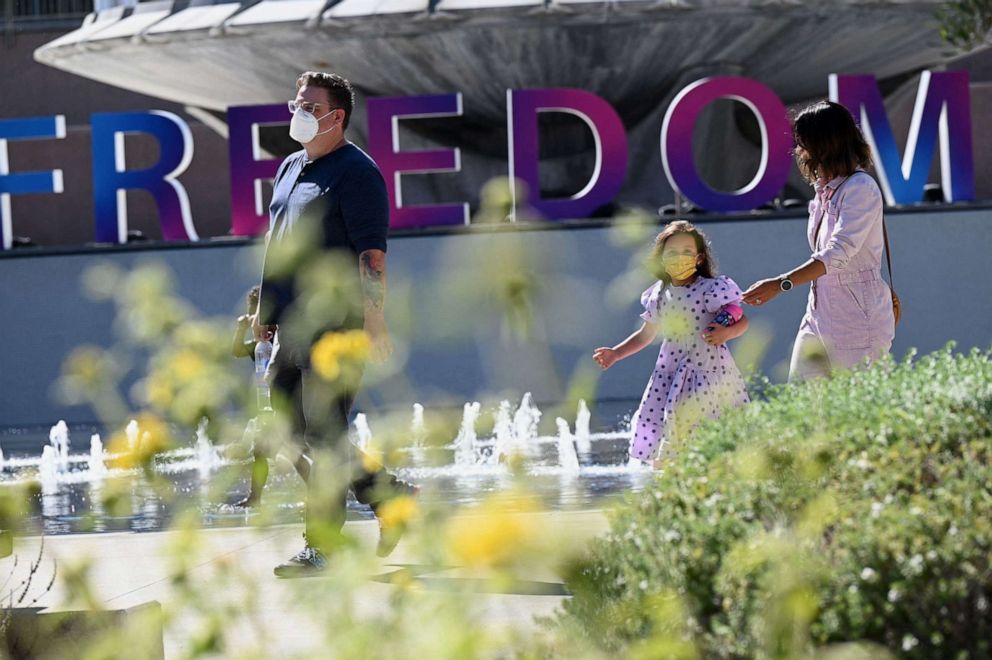
Immunocompromised people are more likely to become severely ill or die from COVID-19 than their non-immunocompromised counterparts, several studies show, and many immunocompromised people may still be adhering to mask and social distancing precautions as the delta variant of the COVID-19 virus threatens reopening efforts in states across the country.
But mask shaming has shifted targets -- instead of people being shamed for not wearing masks, people who continue to wear a mask are being scrutinized for being cautious.
"Some of that, psychologically, is the desire for this [pandemic] to be over," said Laurie J. Ferguson, the education development director at the Global Healthy Living Foundation, a nonprofit education and research organization for people with chronic illnesses. "Anybody wearing a mask is kind of symbolizing the fear and the concern. It's like, 'why can't we all just be normal? Why can't we go back to what was?'"
Ferguson said that some of her clients have also been harassed or bullied about wearing masks, and she said she thinks a sense of urgency to end the pandemic-caused social restrictions may be behind this widespread criticism.
"It's not a moral issue, it's not a political issue. It’s a health issue," Ferguson said. "Unfortunately, it's going to come down to the situation where, again, it's on the shoulders of the vulnerable to have to carry this and do a lot of the communication."
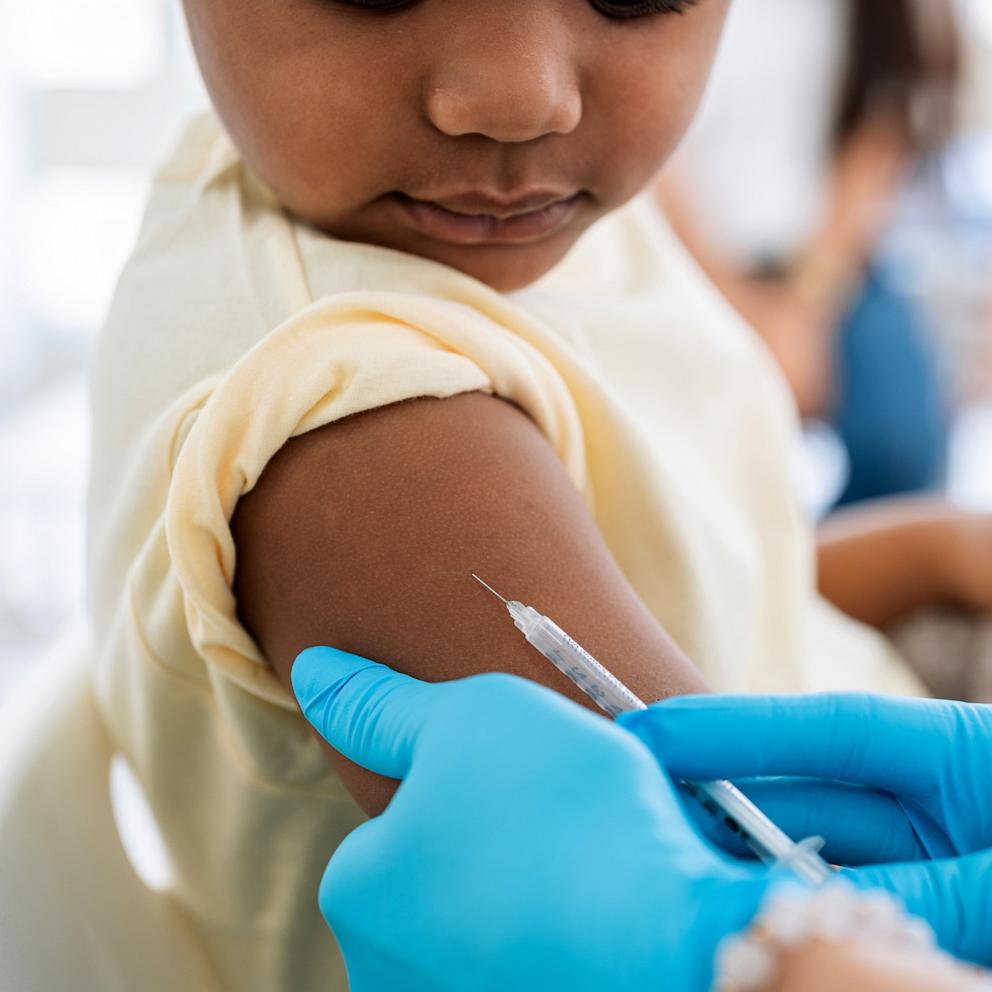
Some immunocompromised people cannot get the vaccine due to their underlying conditions. And even if people with a weakened immune system are fully vaccinated, the CDC guidelines still recommend taking extra precautions such as wearing a mask.
Precautions such as masks and social distancing are still important methods to contain the spread of the virus, according to Dr. Georges Benjamin, the executive director of the American Public Health Association.
“Every time you give up those layers, you'll increase your risk of getting exposed, getting infected and then, depending on your body, getting severely sick,” Benjamin said.
Johns Hopkins University reports that about 15 million people in the U.S. alone are unlikely to build up strong enough immune responses to coronavirus vaccinations.
“These people are medically protecting themselves -- they're not making a political statement, they're telling you they're doing something that has been shown and proven to be scientifically valid, that will protect the individual from getting or dramatically reduce their risk of getting infected,” he added.
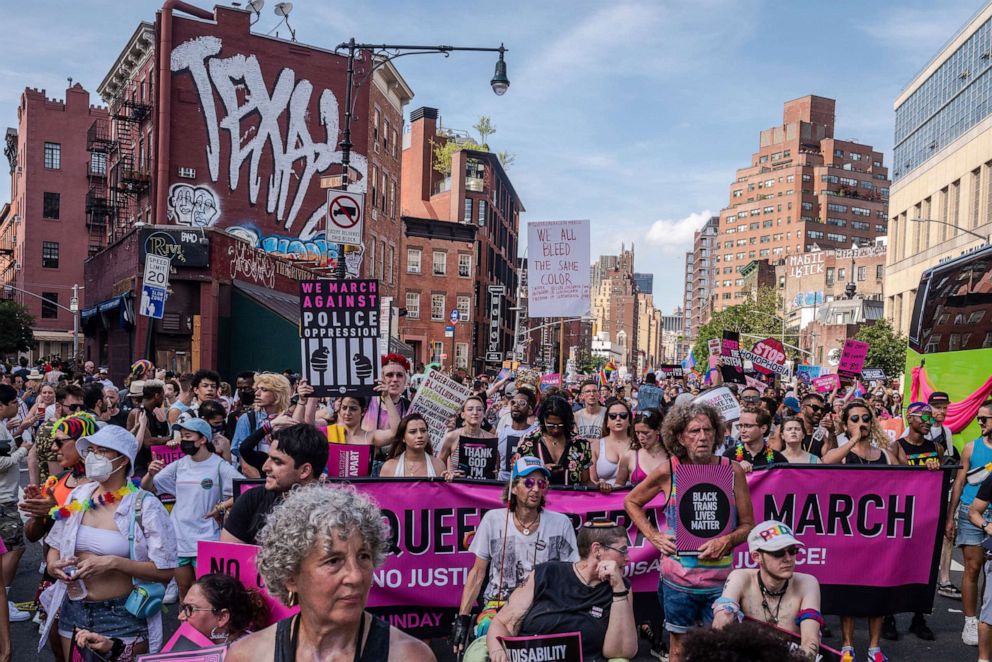
Meanwhile, the delta variant, a highly contagious SARS-CoV-2 virus strain, is raging across the U.S.
According to the CDC, this variant was present in about 51% of new COVID-19 cases between June 20 and July 3. As the country reckons with a rising total of more than 607,000 COVID-19 related deaths, many remain in fear of what this means for their health.
Breakthrough cases of people who were vaccinated and still got COVID-19 "are all real concerns for me and I'm sure millions of people with autoimmune diseases,” Morley said. “There are so many different populations that I'm sure have those similar concerns. So, there's never a ‘normal’ for us."
For folks like Morley, who have long been cautious of their health, masks may be a source of protection for the long haul.
“This is my new normal,” Morley said. “You don't know who the person behind the mask really is. You can't know someone and their story and their struggles.”
Even though mask shaming may be a "hyper reaction" to fear that the pandemic is not over, the shaming can only cause harm, the experts say.
“We've gone through a lot. We haven't had a minute to integrate into ourselves what we've been through, and now we're going to act like we can just plunge forward," Ferguson said. "I think we just all need to take a few breaths, and let things settle in."
"Give yourself the grace and the space to do that, and give others the grace and the space to do that," she added.