Mississippi declares public health emergency over infant mortality rate
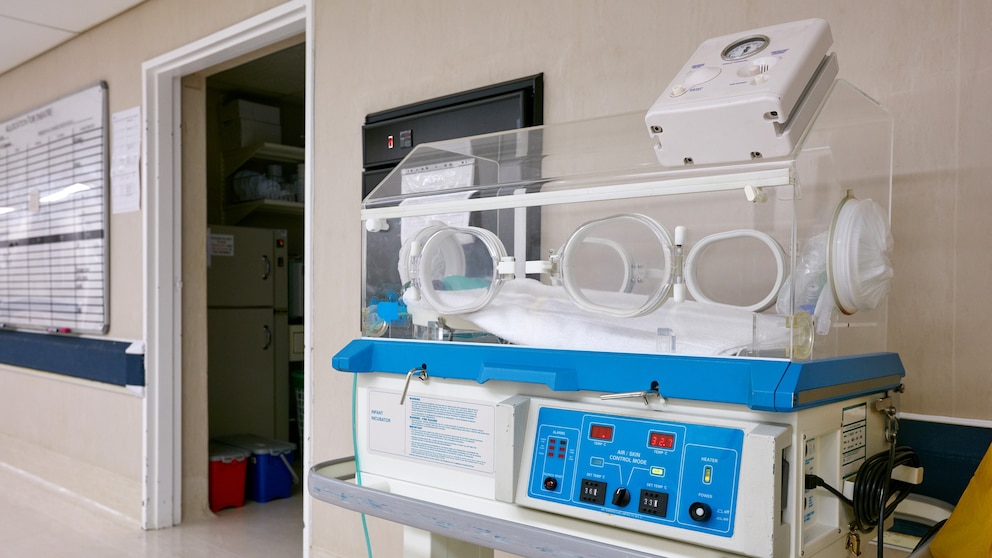
Mississippi state health officials have announced a public health emergency due to the state's rising infant mortality rate.
Over the last decade, over 3,500 babies have died before their first birthday in Mississippi, according to data released Thursday by the Mississippi State Department of Health.
"Too many Mississippi families are losing their babies before their first birthday," state health officer Dr. Dan Edney said in a statement announcing the public health emergency. "We cannot and will not accept these numbers as our reality."
According to 2024 MSDH data, the infant mortality rate in Mississippi is 9.7 deaths per 1,000 live births, the highest in over a decade. This is an increase from 8.9 deaths per 1,000 live births in 2023 -- which was the highest in the United States that year.
Infant deaths include those that happen in the first year of life, according to the U.S. Centers for Disease Control and Prevention.
The leading causes in Mississippi include congenital malformations, preterm birth, low birth weight and sudden infant death syndrome, or SIDS, according to MSDH.
The updated infant mortality data from MSDH also also shows startling racial disparities in the state.
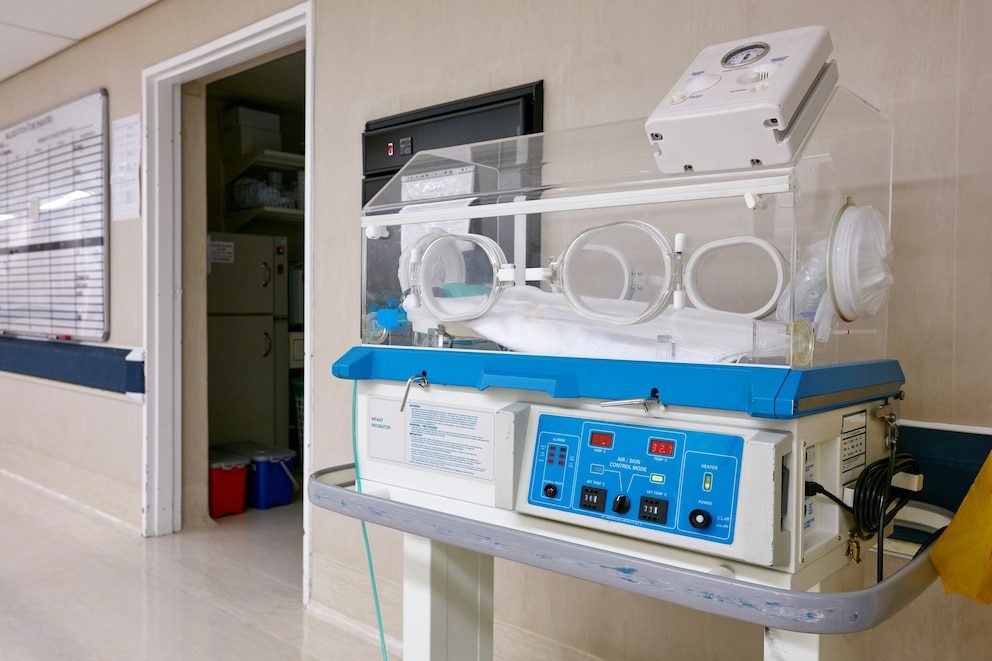
Mississippi's infant mortality rate is highest among Black babies and rose from 12.3 infant deaths per 1,000 live births in 2023 to 15.2 infant deaths per 1,000 live births in 2024.
By contrast, the infant mortality rate declined for a third year in a row for white babies, dropping from 7.2 deaths per 1,000 live births in 2022 to 6.3 deaths per 1,000 live births in 2023 and 5.8 deaths per 1,000 live births in 2024.
Health officials said they plan to address the crisis by taking steps to help improve maternal and infant health in the state.
"Improving maternal health is the best way to reduce infant mortality," Edney said. "That means better access to prenatal and postpartum care, stronger community support and more resources for moms and babies."
The first steps of action announced by state health officials Thursday include activating an obstetrics system of care, working to eliminate "OB deserts" -- or maternity care deserts -- by leveraging county health departments to improve prenatal care, expanding community health worker programs, strengthening a home visiting program, and focusing on safe sleep education and practices, according to the press release.
"Declaring this a public health emergency is more than a policy decision; it is an urgent commitment to save lives," Edney said. "It will take all of us -- policymakers, healthcare providers, communities and families -- working together to give every child the chance to live, thrive and celebrate their first birthday."
Maternity care deserts are defined as areas without a hospital or birth center offering obstetric care and without any obstetric providers, according to the March of Dimes, a nonprofit organization focused on improving the health of pregnant people and babies. According to data released by the organization in 2023, more than 5 million women in the U.S. live in a maternal care desert.
ABC News medical correspondent Dr. Darien Sutton noted that one of the contributing factors of Mississippi's infant mortality crisis is the lack of care in the state.
"Many mothers in Mississippi are not able to get the care they need, as Mississippi has over 50% counties of maternal care deserts," Sutton, who is not affiliated with the Mississippi State Department of Health, said Friday on "Good Morning America." "You can imagine it makes it incredibly difficult to manage a pregnancy."
Sutton said in addition to a lack of access to maternal care, other "preventable causes" of the infant mortality crisis in Mississippi include higher poverty rates and higher rates of chronic illness.
Despite hope that the state's new initiative will help address the health crisis, one pediatrician in Mississippi told ABC News that she and other doctors are worried that upcoming cuts to Medicaid funding may hinder those efforts by worsening the maternal care deserts that already exist in the state.
"The 'One Big Beautiful Bill' contains cuts to Medicaid that may negatively impact reimbursement to hospitals and clinics," Dr. Anita Henderson, a pediatrician at the Pediatric Clinic in Hattiesburg, Mississippi, told ABC News Friday, referring to the spending bill signed into law by President Donald Trump on July 4.
The legislation institutes work requirements for Medicaid that some experts worry will make millions of Americans uninsured and makes cuts to the program that may result in closures of health centers in rural areas, according to health care employers.


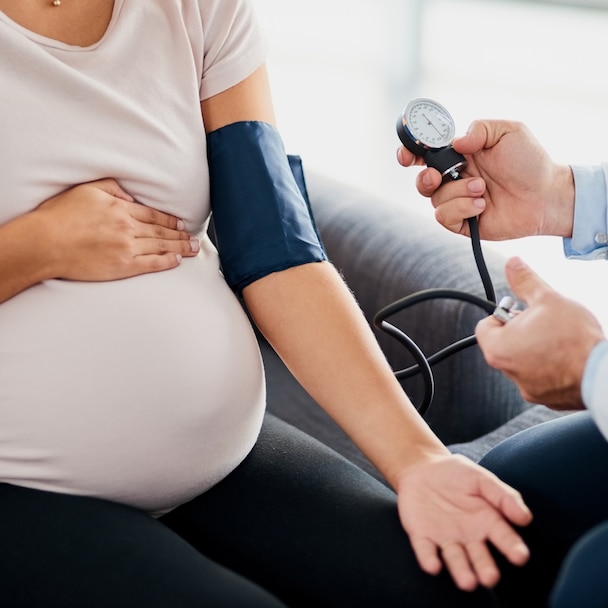
Henderson, past president of the Mississippi Chapter of the American Academy of Pediatrics, added, "In the last few years, we have seen a number of hospitals in the state close their [labor and delivery] units. We are concerned that if this trend continues, there will be an increasing amount of OB deserts."
In a press release Friday, the Mississippi Chapter of the American Academy of Pediatrics said it supports the state's new initiative and called for more collaboration.
"The Mississippi Chapter of the American Academy of Pediatrics (MSAAP) stands with the Mississippi State Department of Health (MSDH) in recognizing the urgent crisis of infant deaths in our state," Dr. Patricia Tibbs, president of the Mississippi AAP, said in the statement.
"These tragic losses are an urgent call to action for all who care about children," Tibbs added.
Jade A. Cobern, M.D., MPH, is board-certified in pediatrics and general preventive medicine and is a medical fellow of the ABC News Medical Unit.