• Video
  • Shop
  • Culture
  • Family
  • Wellness
  • Food
  • Living
  • Style
  • Travel
  • News
  • Book Club
  • Newsletter
  • Privacy Policy
  • Your US State Privacy Rights
  • Children's Online Privacy Policy
  • Interest-Based Ads
  • Terms of Use
  • Do Not Sell My Info
  • Contact Us
  • © 2026 ABC News
  • Wellness

Naloxone: What you need to know about this lifesaving drug
0:55
Getty
Naloxone: The basics
Brian Snyder/Reuters, FILE
ByDr. Hector Florimon
March 21, 2018, 4:51 PM

The opioid crisis has been front and center this week thanks to President Donald Trump's visit to New Hampshire, a state that has been particularly plagued by opioid-related deaths.

Drug overdose deaths are on the rise, according to the Centers for Disease Control and Prevention, and in 2016, two-thirds of those cases involved opioids.

On Monday, Trump announced the Initiative to Stop Opioid Abuse and Reduce Drug Supply and Demand, a program whose main components aim to address the driving forces of the opioid crisis: Reduce demand and over-prescribing of opioids, cut off the supply of illicit drugs, and help those struggling with addiction.

Here's what you need to know:

What is Narcan/naloxone?

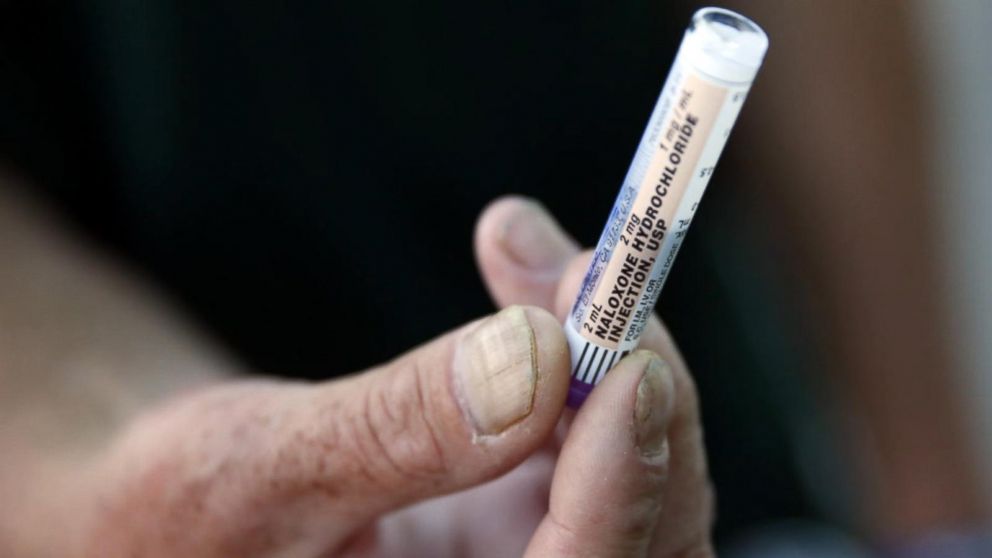
One of the goals of the program is to ensure first responders are supplied with naloxone, commonly known by one of the brands named Narcan. Naloxone is a medication that quickly reverses an opioid overdose.

Opioid drugs such as heroin or prescription pain medications bind to brain receptors; in an overdose, the severe opioid effect slows breathing so much that death follows. Naloxone acts by competing with the opioid for those brain receptors, binding them and displacing the opioid. It will not stop overdoses from other kinds of drugs.
Related Articles

Trump to call for death penalty in newly announced opioid attack plan

Related Articles

At opioid summit, Trump suggests dealers should get the death penalty

Related Articles

Suspected opioid overdoses increased 30 percent in one year, CDC report says

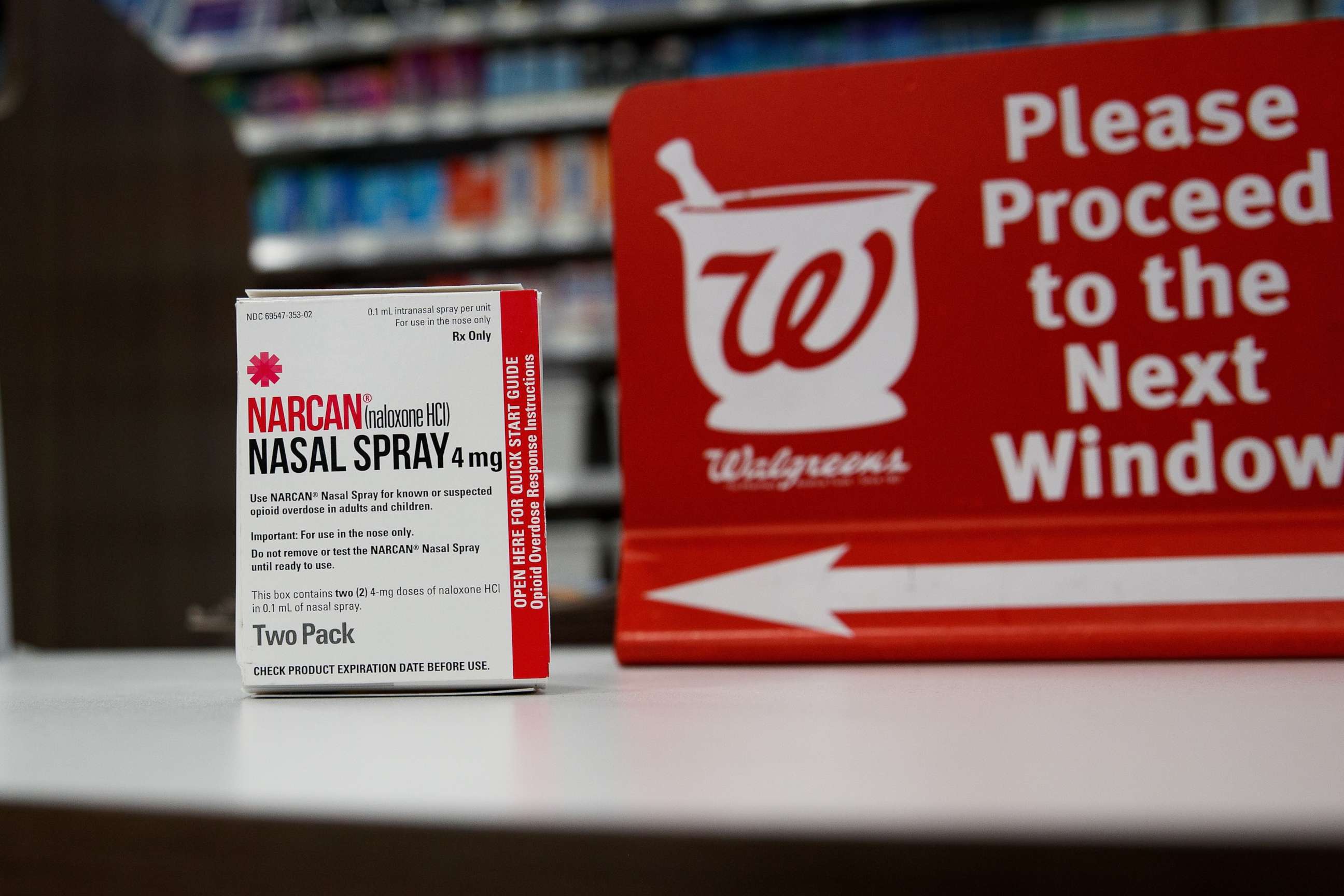
In this photo illustration, a package of NARCAN (Naloxone) nasal spray sits on the counter at a Walgreens pharmacy, Aug. 9, 2017, in New York City.

Who should get naloxone?

Anyone suspected or known to have an opioid overdose should be treated with naloxone. An opioid overdose is life-threatening because people can become unresponsive, breathe slowly or stop breathing altogether. If a person is not breathing, it will not hurt them to get naloxone.
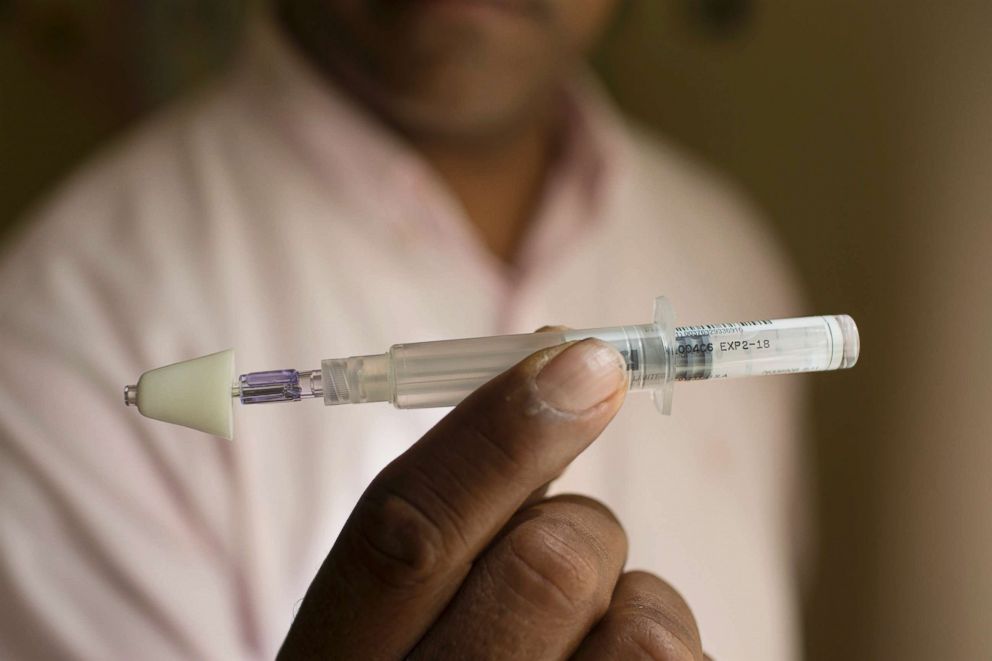
Narcan, an antidote for a heroin overdose, Aug. 11, 2016, in New York.
Alex Wroblewski/The New York Times/Redux

How is naloxone given?

Naloxone is given in three ways: intravenously, injected into the muscle (think: an EpiPen style delivery) or a nasal spray. Individuals trained to administer naloxone can carry and give naloxone to a person having an overdose.

Dr. Hector M. Florimon is a third-year resident in pediatrics at New York Presbyterian-Columbia University Medical Center, working in the ABC News Medical Unit.

Up Next in Wellness—

Adolescent and young adult cancers increase risk of developing future cancers

April 13, 2026

Teen with kidney disease finds donor living minutes away

April 10, 2026

Her battle with cancer went viral. After her death, the impact of her advocacy is still felt

April 8, 2026

Gabrielle Union shares emotional tribute after dad dies following dementia battle

April 6, 2026

Shop GMA Favorites

ABC will receive a commission for purchases made through these links.

Sponsored Content by Taboola

The latest lifestyle and entertainment news and inspiration for how to live your best life - all from Good Morning America.
  • Contests
  • Terms of Use
  • Privacy Policy
  • Do Not Sell My Info
  • Children’s Online Privacy Policy
  • Advertise with us
  • Your US State Privacy Rights
  • Interest-Based Ads
  • About Nielsen Measurement
  • Press
  • Feedback
  • Shop FAQs
  • ABC News
  • ABC
  • All Videos
  • All Topics
  • Sitemap

© 2026 ABC News
  • Privacy Policy— 
  • Your US State Privacy Rights— 
  • Children's Online Privacy Policy— 
  • Interest-Based Ads— 
  • Terms of Use— 
  • Do Not Sell My Info— 
  • Contact Us— 

© 2026 ABC News