Nevada lab confirms 1st coronavirus reinfection in the US
Earlier this week, the world was dealing head-on with what was believed to be the world's first documented case of coronavirus reinfection in Hong Kong.
Now, less than a week later, researchers in the United States are reporting their first documented case of a patient who got COVID, recovered and then got it again.
Scientists say that although reinfection is likely possible, it's also extremely rare. This is the first documented reinfection among nearly 6 million COVID-19 cases to date.
Nevertheless, the first documented reinfection is notable in how quickly the patient seemed to be reinfected after his initial recovery.
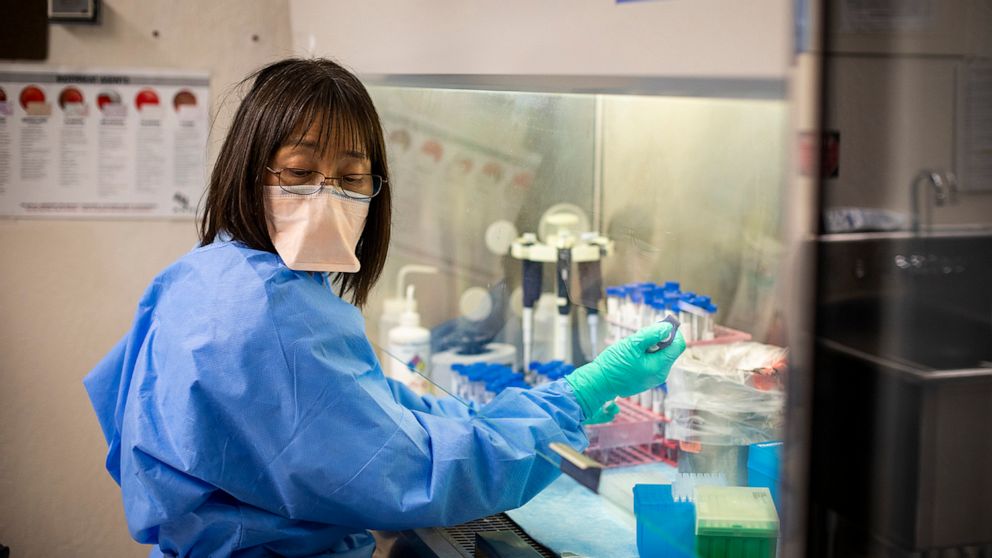
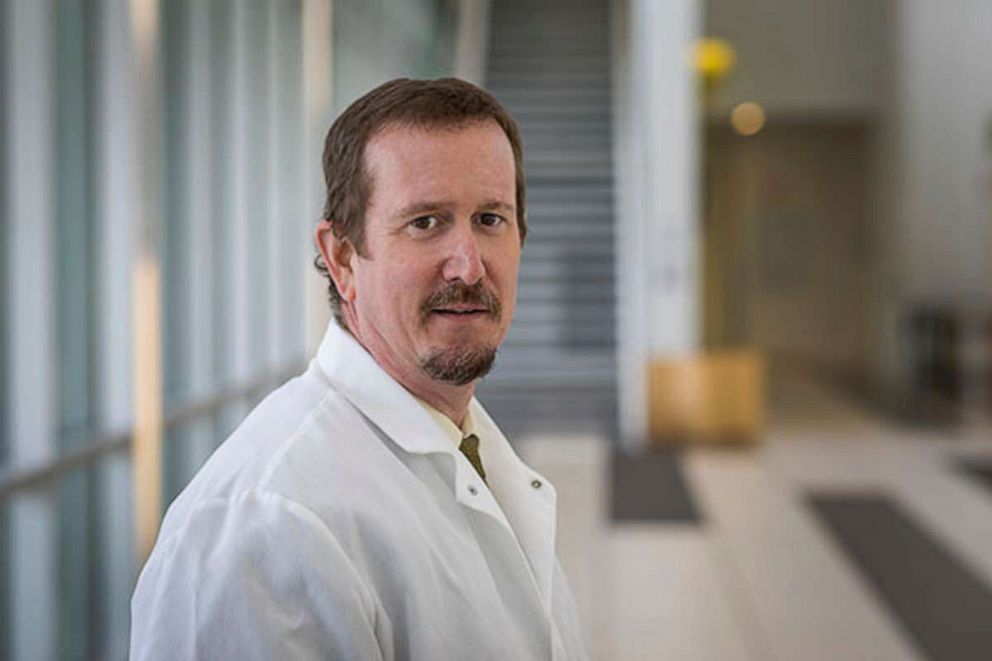
"Having had it doesn’t mean you can’t get it again, that’s what this shows," Dr. Mark Pandori, director of the Nevada State Public Health Laboratory and co-author of the study, said in an interview with ABC's "World News Tonight." "It tells us possibly things we still don’t know about this virus ... or that there is a danger that even if you’ve had it that your immune system may not protect you from a significant illness next time."
The case report, which has not yet been peer-reviewed and is currently only available as a pre-print, tells the story of a 25-year-old man in Nevada. In late March, he developed some of the classic signs of COVID-19: sore throat, cough, diarrhea, headache and nausea. After testing positive on April 18, he began to gradually feel better, and the virus appeared to leave his system, seemingly verified with two consecutive negative tests in May.
But only a few weeks later, he started to feel ill again, testing positive for COVID-19 once again in June. This time, he was admitted to the hospital with serious symptoms.
At first, the researchers wondered if the virus had been hiding in his body the whole time -- mutating, changing and eventually developing into something that caused him to get sick with COVID-19 a second time. But they ultimately rejected this theory, saying that the two viruses were so different that it would have been nearly impossible for the virus to change that quickly inside his body. The only explanation was that he had been infected by a slightly different version of the coronavirus.
"There’s no invulnerability here," Pandori told ABC News. "Whether you’ve had this infection before or whether perhaps in the future vaccinated, there won’t be such a thing as invulnerability."
The finding could affect how the world attempts to limit the spread of the coronavirus while eagerly awaiting an effective vaccine. Experts have long expected that humans would have some kind of immunity after getting infected with the coronavirus, but no one is sure just how long that immunity will last. These new reinfections provide important new data as experts rush to figure that out.
Dr. Akiko Iwasaki, Waldemar Von Zedtwitz professor in the Department of Immunobiology at Yale University, wrote on Twitter that this patient's case was different from the Hong Kong patient because his prior infection didn't seem to help him fight off the virus.
"This time, unlike the case in Hong Kong, the immune system did not protect this person from reinfection or disease," her tweet read.
However, scientists interviewed by ABC News say these isolated case reports can't be applied to the average person. It's still unclear if this 25-year-old man had any underlying conditions that might have put him at risk for more severe illness.
What remains to be seen is how common reinfection events like this are and whether they will continue in the months ahead.
Nate Wood, M.D., is an internal medicine/primary care resident at Yale New Haven Hospital and a contributor to the ABC News Medical Unit.