Nevada reports cluster of rare brain infection in children in 2022

Health officials are investigating an increase of a rare brain infection occurring in kids in Nevada, according to the U.S. Centers for Disease Control and Prevention.
The Southern Nevada Health District (SNHD) reported in October a "higher than expected" number of pediatric patients in Clark County who have intracranial abscesses.
There were 18 cases of intracranial abscesses found in children in 2022, up from about four cases per year between 2015 and 2021, which is more than triple the amount, according to SNHD.
According to the report, there were an average of seven cases during 2020 and 2021, at the height of the COVID-19 pandemic.
A cerebral abscess is a pus-filled pocket of an infection in your brain, according to Johns Hopkins Medicine.
The abscess can cause swelling in the brain, which places harmful pressure on brain tissue and can prevent blood from flowing to parts of the brain, according to Johns Hopkins.
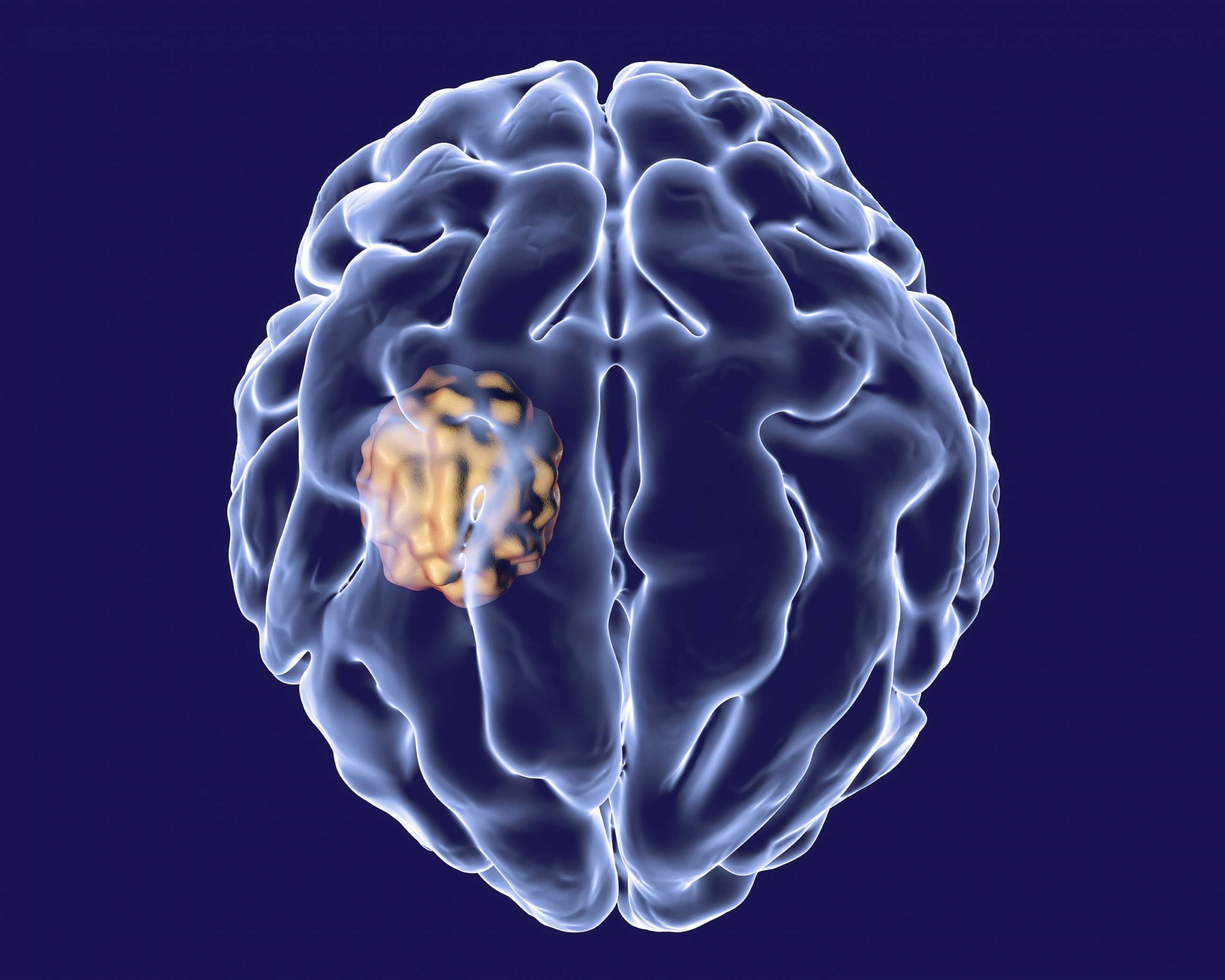
"A cerebral abscess usually occurs when bacteria or fungi make their way into your brain, either through your bloodstream or from an infected area in your head, such as your ears or sinuses," John Hopkins Medicine said on its site. "An injury to your head or head surgery can also let in germs that can cause an abscess."
Headaches, fevers, chills, nausea, vomiting and seizures are some symptoms caused by the brain abscess, according to Johns Hopkins Medicine.
According to the Southern Nevada Health District's findings, most of the cases occurred in males with a median age of 12 years old. The most common bacterial pathogen was Streptococcus intermedius, found in 33% of patients. Fifteen out of the 18 patients required craniotomies, according to the report.
No deaths were reported, according to SNHD. However, death is possible if left untreated, according to Johns Hopkins.
Medical professionals can treat cerebral abscesses with strong antibiotics and other medications, such as steroids and drugs to prevent seizures, according to John Hopkins Medicine.