New analysis of GLP-1 drugs suggests people who stopped using medications regained 60% of weight lost

New research is taking a closer look at what can happen a year or more after people stop taking GLP-1 medications.
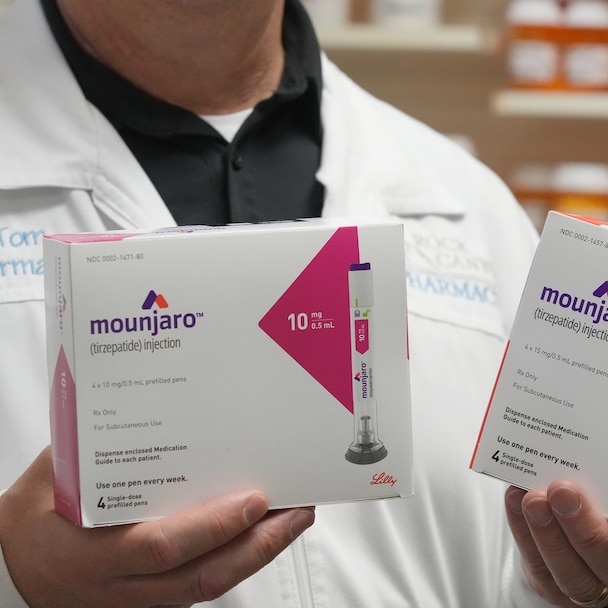
A new systematic review published in the journal eClinicalMedicine on Wednesday examined 48 studies that analyzed and predicted the outcomes of people who either had diabetes or were overweight or obese and took popular GLP-1 medications such as liraglutide (under brand names such as Victoza and Saxenda), semaglutide (under brand names such as Ozempic, Wegovy, Rybelsus) and tirzepatide (under brand names like Mounjaro and Zepbound).

For people who stopped taking GLP-1 weight-loss medications, patients regained about 60% of the weight they lost within a year, according to the review's analysis. When researchers used computer statistical modeling to see what could happen after more than a year off of the medications, it suggested those patients could regain about 75% of the weight they had lost.
ABC News chief medical correspondent Dr. Tara Narula said on "Good Morning America" Thursday that the new analysis underscores how weight loss requires an "individualized approach."
"There are some people who can come off of them and maintain the weight loss. There are others who will need to be on some sort of dose taper or some who need to stay on the same dose forever," Narula said.
Because the review of 48 studies, although comprehensive, looked at a wide and diverse group of people -- from those with conditions such as diabetes and kidney disease, and those with different starting and end points and who took different medications -- the conclusions drawn also highlight its limitations.
Narula said the good news is that GLP-1 medications have been successfully shown to help people lose some weight overall.
"The important factor is that some weight was not regained, and when you look at the loss from baseline weight, it's about 4% to 5% of the baseline weight that was lost and maintained. And that's not clinically insignificant," Narula said.


Aside from GLP-1 medications, Narula noted that other strategies such as lifestyle counseling, regular exercise and other medications can also help people lose weight and keep it off over the long-term.
"We think that some of these people may be changing behavior, nutrition, lifestyle, [and] also may be changing the hormones in their body by being on [GLP-1 medications], changing how their brain sort of operates or functions permanently," Narula said. "There's some data to suggest that a dose tapering strategy, so where you minimize or lower the doses over time might prevent weight regain."