What we know so far about the COVID omicron variant
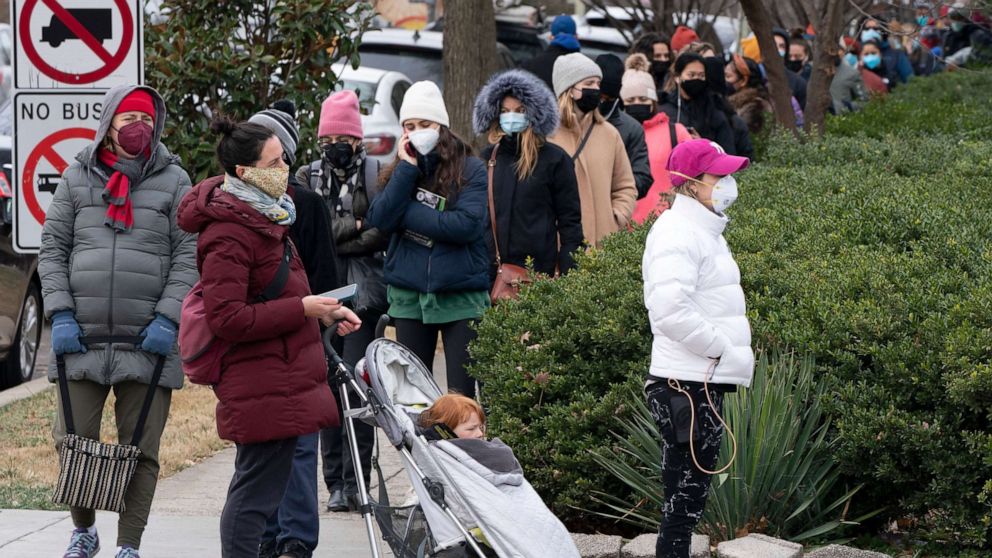
A month after the omicron variant was first identified, it has become the dominant strain in the United States, responsible for about three-quarters of new COVID infections.
As of Wednesday, cases have been identified in all 50 states and Washington, D.C.
While there is still much to learn about omicron, more research is being done every day furthering health officials' understanding of this highly transmissible variant.
Spreads more easily than any other variant
A growing body of evidence suggests the omicron variant may spread more easily than any other variant identified during the pandemic.
Health officials, such as Centers for Disease Control and Prevention Director Dr. Rochelle Walensky, say early data shows omicron doubles in prevalence every two to three days.
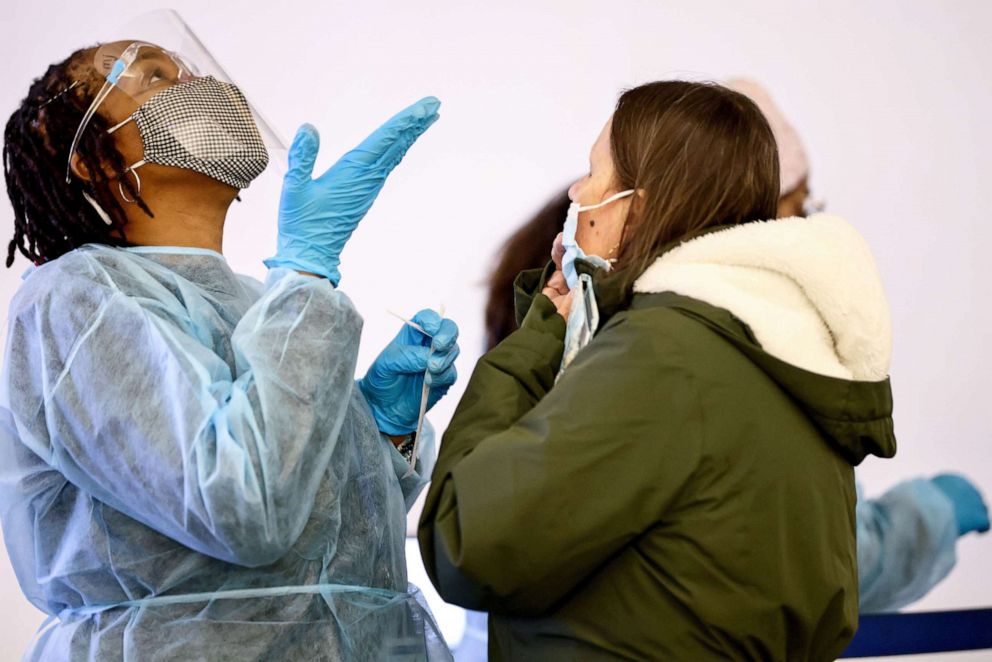
This is much faster than the delta variant which, at its peak, had a doubling time of about seven days.
“This is an incredibly fast-moving variant,” Dr. John Brownstein, an epidemiologist at Boston Children's Hospital and an ABC News contributor, said. “We only identified it on Thanksgiving and it’s already the dominant variant in the U.S. The level of certainty we have in the U.S. that it is more transmissible than any variant before is high.”
Omicron partially impacts vaccines, but a booster helps
Omicron seems to evade -- at least partially -- protection offered by COVID-19 vaccines more easily than previous variants, but it’s unclear by how much. However, studies have been showing boosters help restore much of that lost protection
Preliminary data from Pfizer-BioNTech showed that people who received two doses of their vaccine had low levels of neutralizing antibodies against the variant.
Those who received their booster shot, however, saw their levels of antibodies increase 25-fold compared to pre-boost levels.
Additionally, early data from Moderna released on Monday showed its 50-microgram booster increases antibody levels 37-fold.
Two-dose vaccines still dramatically reduce the risk of severe illness and death, health officials say.
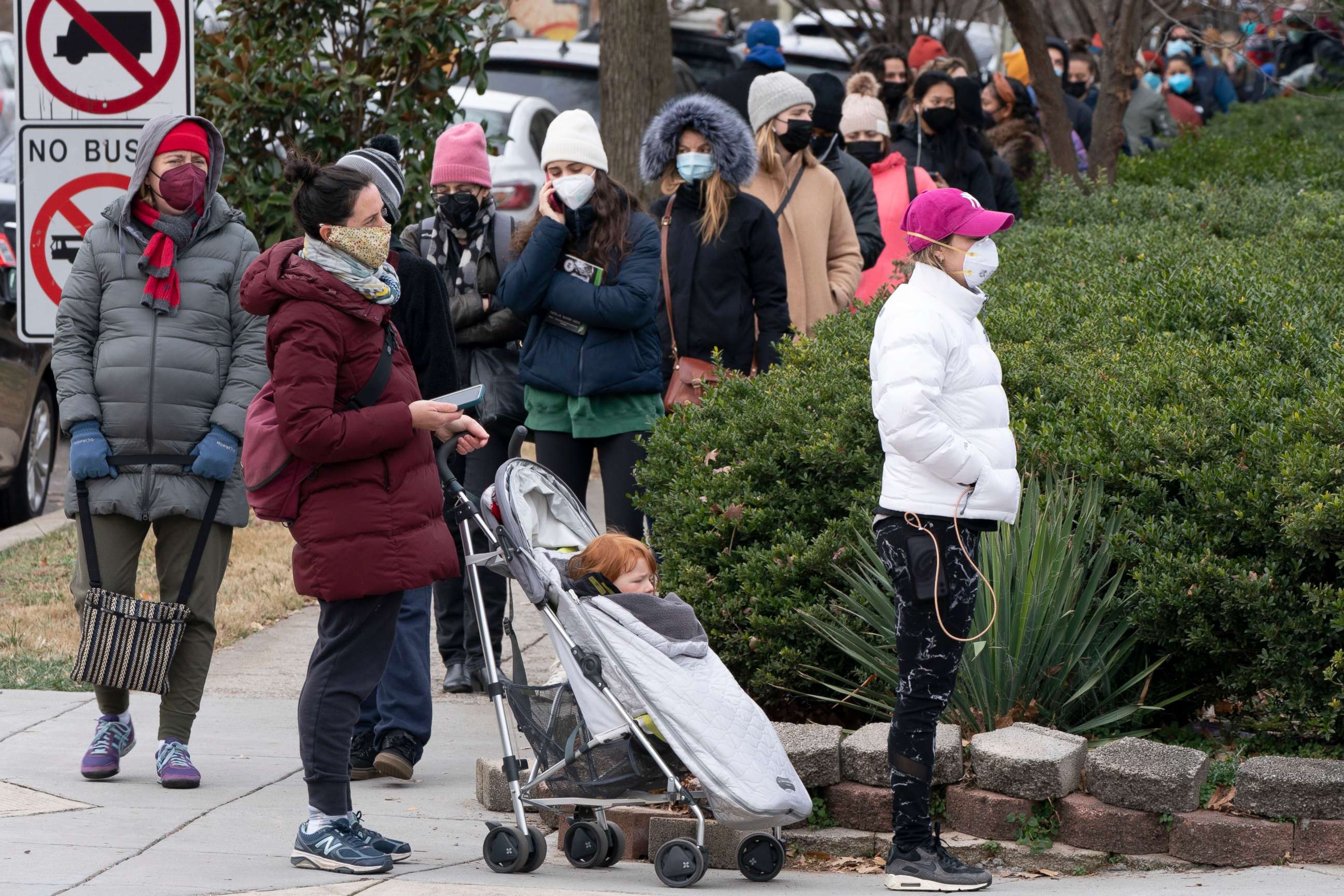
”It’s still an open question about what relative protection you get," Brownstein said. “It appears vaccines still provide incredible protection around severe illness and death, especially if boosted.”
Additionally, it does not appear that previous COVID infection protects against reinfection from omicron the same way that it did against the delta variant.
A recent study from Imperial College London, which has not yet been peer-reviewed, suggests that the risk of infection with omicron is five times higher than with delta.
Monoclonal antibodies are less effective, but not pills
Treatments also appear to have been affected by the emergence of omicron.According to a readout of this week’s private call between U.S. governors and the White House, which was obtained by ABC News, two of three monoclonal antibody therapies used to treat COVID are less effective against the new variant.
The antibody treatments made by Regeneron and Eli Lilly are not as effective while the third option, made by Vir Biotechnology and GlaxoSmithKline, may be effective but in short supply.
Dr. Anthony Fauci stated that pills produced by Merck and Pfizer do not appear to be impacted by omicron, according to the readout.
Too early to tell if omicron causes severe illness
Health officials still do not know if omicron causes mild or severe illness.
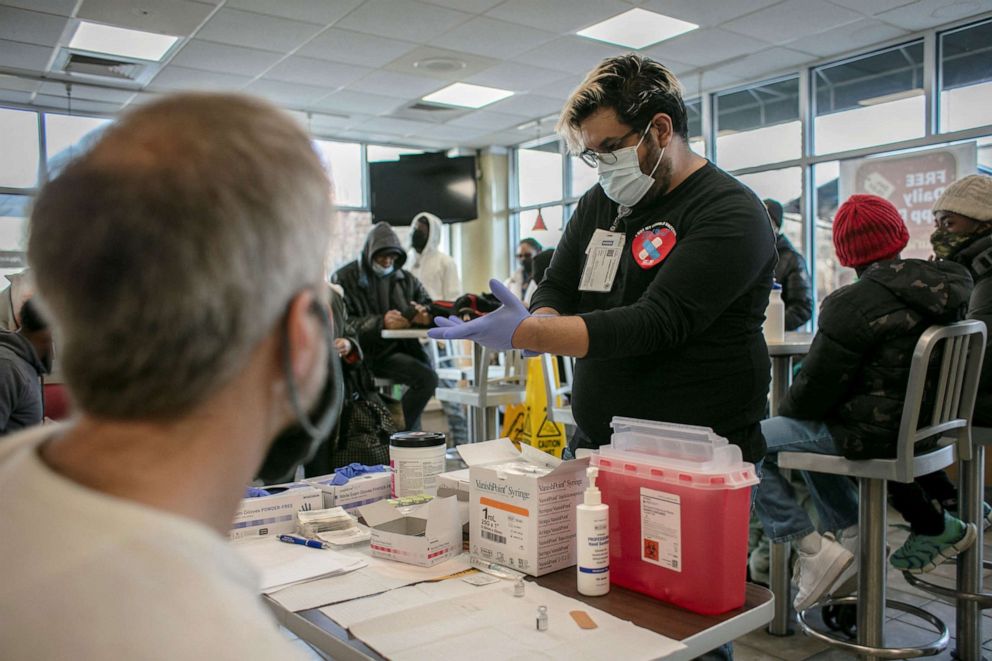
Studies that have been published have offered conflicting findings. A study from South Africa found that the risk of hospitalization for adults was 30% lower compared to the delta-fueled surge during the fall.
But the study from ICL found that omicron did not show any signs of being milder than delta.
In a recent statement, the World Health Organization said it's too early to say whether omicron causes more mild or severe illness.
So far, only one death from the omicron variant has been identified: An unvaccinated Texas man in his 50s who had previously been infected with the virus. It's important to remember that not every COVID-related death is reported to health authorities.
Until we learn more about omicron, Brownstein said the best way to protect ourselves is to follow mitigation measures that are known to work, including vaccination and mask-wearing.
“The No. 1 thing that people can do is make sure they’re vaccinated and boosted. That is still our absolute No. 1 line of defense,” he said. “Use rapid tests as a way to identify if you may be contagious and wear a high-quality mask in indoor settings, especially if you’re around people with unknown vaccination status.”
ABC News' Sasha Pezenik contributed to this report.