The opioid crisis may be far worse than thought, making the epidemic harder to fight
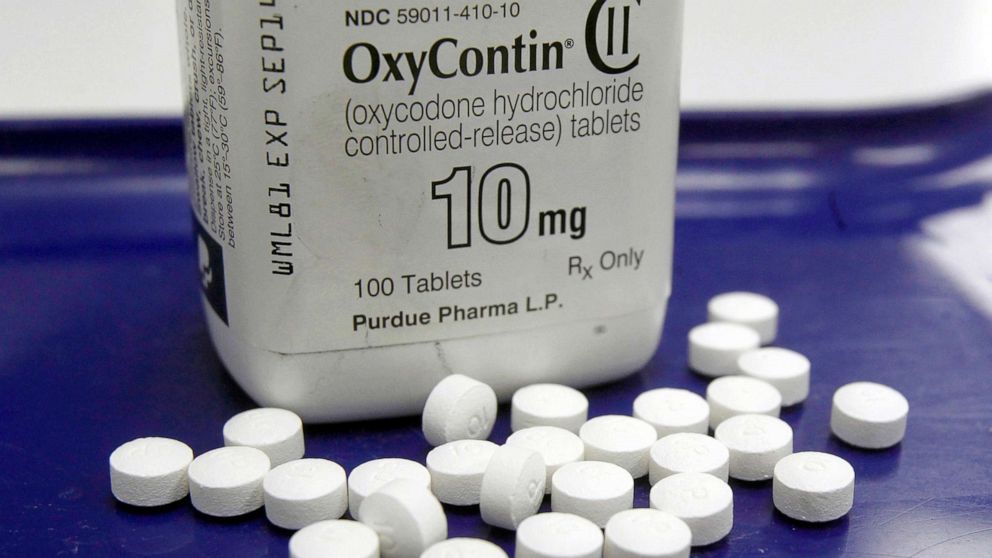
There may be a gross underreporting of opioid-related death rates, leading to misrepresentation about the extent of the epidemic, according to a new study.
A substantial share of the documentation on fatal drug overdoses may be missing information on the specific drug that caused the overdose.
The study, published in the journal "Addiction," looked at a total of 632,331 drug overdoses between 1999 and 2016. Of these deaths, 78.2% were drug overdoses with known drug classification and 21.8% were unclassified drug overdoses. Of the unclassified drug overdoses, further investigation revealed that 71.8% involved opioids, translating to 99,160 additional opioid-related deaths.
There were over 70,000 drug overdose deaths in 2017, according to an estimate from the Center for Disease Control and Prevention. Based on findings from the new study, over half of those deaths -- about 47,000 -- are suspected to have involved opioids.
An issue with documenting drug overdose deaths
"The number of deaths from opioid-related overdoses could be 28% higher than reported due to incomplete death records," said Elaine Hill, Ph.D., an economist and assistant professor at the University of Rochester Medical Center Department of Public Health Sciences and senior author of the study.
"Other work has already exposed the ways in which coroner versus medical examiner systems undermine accuracy in death records, but the opioid crisis and our research highlights the extent of the problem," Hill told ABC News.
Death certificates issued after fatal drug overdoses are often missing information on the specific drug involved -- something that is causing the underreporting of opioid-related deaths and downplaying the extent of the opioid epidemic, the authors of the new study concluded.
"The risk of underreporting these cases is to underscore the scope of the current crisis which could lead to a slower or less intensive response in coming up with a viable solution," says Dr. Shailinder Singh, an emergency room psychiatrist practicing in New York City.
Besides overdose deaths, there are other consequences of the opioid epidemic including increased risk of infectious disease among IV drug users, a greater number of newborns with neonatal abstinence syndrome and higher rates of emergency department visits for opioid involvement.
While the majority of overdose-related deaths in the past have involved an opioid, with illicit fentanyl as the primary driver of these deaths, however this data is likely underreported.
The rate of non-fatal overdoses has also increased and is likely underestimated. "Unless these individuals are able to receive urgent medical care and the case is reported in that manner, there is little incentive for a person to report the overdose themselves due to fear of possible litigation or stigmatization," said Singh.
Three phases of the opioid epidemic
The opioid epidemic today progressed in three phases, according to the CDC. The first, involved deaths caused by prescription opioids, the second, an increase in heroin use, and the third, a surge in the use of synthetic opioids or fentanyl.
The United States is right in the middle of the third phase of the epidemic, due to the increasing availability of fentanyl and increasing rates of overdose deaths involving synthetic opioids.
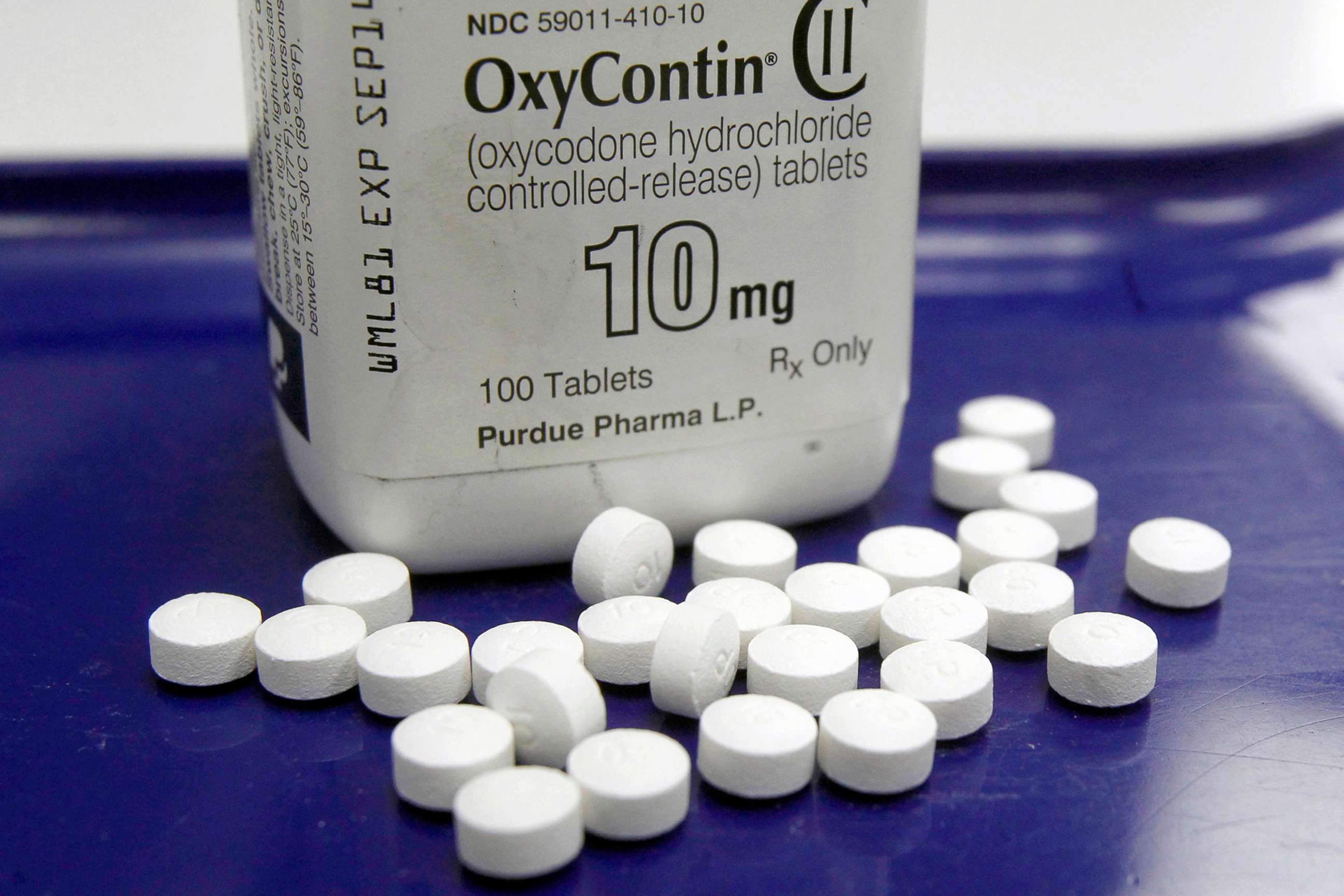
In 2017, West Virginia, Ohio, Pennsylvania and Washington D.C., had the highest overdose death rates in the country. However, accurate data is not being collected from rural areas and therefore these areas receive significantly less federal funding to combat the crisis.
"The rates of both lethal and non-lethal overdoses have undoubtedly increased due to the addition of synthetic opioids available as pills or mixed in with heroin," said Singh.
"Most notably, these include illegally manufactured fentanyl and carfentanil, which are 50 times and up to 5,000 times more potent than heroin, respectively." he added.
As the U.S. faces a rise in the number of overdose deaths involving heroin and fentanyl, the federal government has readjusted its strategy to combat the epidemic. This includes expanded access to treatment medications for opioid use and to the opioid overdose antidote, naloxone.
Also crucial among those efforts is collecting accurate data. Correct data regarding deaths from opioids is critical to know when implementing policies. Federal funding is also highly dependent on accurate statistics.
"Funding from federal agencies is often tagged to areas with the highest rates of opioid mortality. If these data are inaccurate, then areas in need may receive less funding than they need to address the crisis," said Hill.
Yalda Safai, MD, MPH, is a psychiatry resident in New York City. Melanie Graber, MD, is an internal medicine resident in Connecticut. Both are contributors to the ABC Medical News Unit.