Most People With Inhalers, EpiPens Don’t Use Them Right
— -- EpiPens and asthma inhalers have the potential to save lives with a simple jab or puff, but a small study published today suggests that many people may be using these vital devices incorrectly.
Researchers at the American College of Allergy, Asthma and Immunology observed 102 patients as they demonstrated how they would use injectable epinephrine pens – commonly referred to as EpiPens – and 44 patients as they demonstrated how they would use inhalers.
Researchers learned that most of the members of each group were unable to use the devices properly, keeping them from getting the medication.
“This is an alarming study,” ABC News chief health and medical editor Dr. Richard Besser said. “Asthma and anaphylaxis can be fatal, especially if critical medications are not administered properly.”
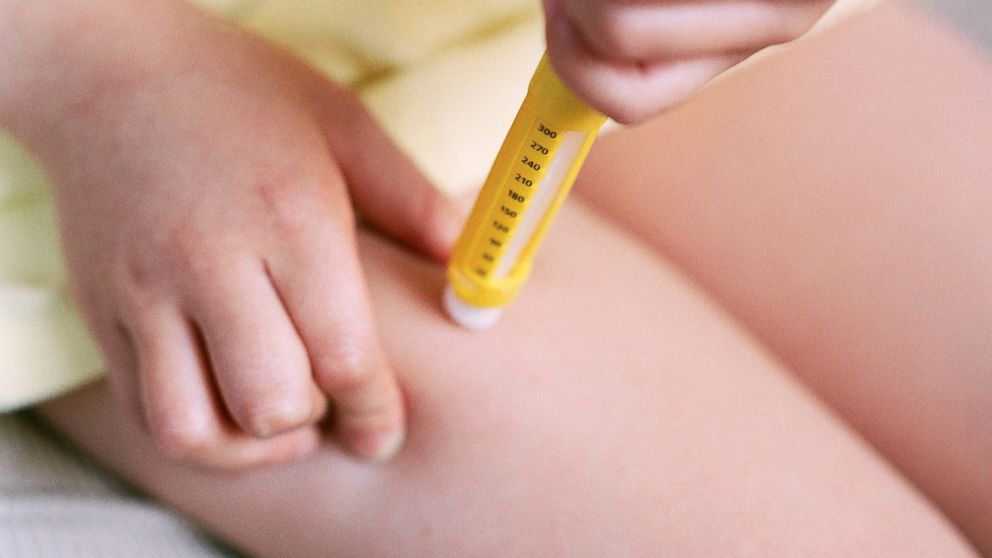
Only 16 percent of the patients instructed to use their injectable epinephrine pens did it right. That means 84 perfect of them made an error. The most common mistake, the researchers wrote, was that these patients didn’t hold the pens in place long enough for the medication to makes its way into their bodies. Participants used practice “trainer” EpiPens during the demonstration that do not inject medication.
The patients told to use their inhalers did even worse. Only 7 percent “had perfect technique.” That means 93 percent of them made an error. The most common mistake among these patients was inhaling at the wrong time, preventing them from breathing the medicine into their lungs. These participants used their actual prescribed inhalers in the demonstration, although they were not always filled with medication.
Not all the mistakes would necessarily put the patients’ lives at risk, but they’re still cause for concern, experts said.
“Our study suggests that either people weren't properly trained in how to use these devices, didn't completely understand the instructions even after training, or forgot the instructions over time," said allergist Dr. Rana Bonds, the lead author of the study and assistant professor of allergy and immunology at University of Texas Medical Branch at Galveston, Texas. "Younger patients and those with prior medical education were more likely to use the auto-injector correctly.”
The study did not specify an age range for participants but designated that 39 percent of the patients in the autoinjector group were under 40 years old and 36 percent of the patients in the inhaler group were under 40 years old.
Dr. Aasia Ghazi, co-author of the study and an assistant professor of Allergy and Immunology at University of Texas Medical Branch in Galveston, Texas, said about 20 percent of the participants were pediatric patients with the youngest patients in the fifth-grade.
Dr. Roger Emert, a clinical assistant professor and allergist at NYU Langone Medical Center, said patients often forget how to use such devices correctly in the middle of dangerous allergy or asthma attacks.
“You’re not thinking clearly,” Emert said. “Sometimes, that’s a medical result of the condition.”
When using epinephrine pens, Emert said people should remember to count to 10 to ensure they get enough of the medication.
Emert said patients using asthma inhalers should practice exhaling so that they time their inhale with the release of the medication.
But Emert admitted even an experienced asthmatic patient can have a hard time using his or her inhaler the right way.
"Very, very intelligent people use their inhalers incorrectly," he said.