Peanut Allergy Study: 3 Questions Parents Have
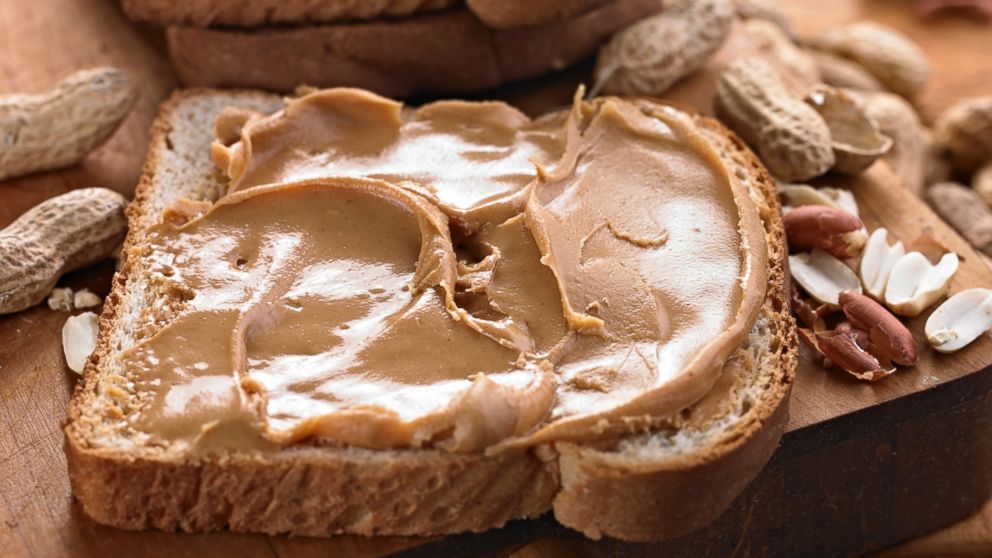
— -- In what could be a game changer, a new study finds that feeding peanut products to infants early may cut their risk of developing allergies.
“Every once in a while a study comes out and you just say, ‘Wow, this goes against everything I was taught as a pediatrician and what I’ve been telling parents,’” Dr. Richard Besser, ABC News’ chief health and medical editor, said today on “Good Morning America.”
The study, published in Monday’s New England Journal of Medicine, found that children younger than 1 who avoided peanuts were 80 percent more likely to develop full-blown peanut allergies than those who didn't.
Besser said this is important information because the number of children living with peanut allergy has tripled since 1997, according to the advocacy group Food and Allergy Research and Education.
Parents definitely have questions about the study, Besser said. Here are some of the questions they’ve been asking, along with what the study suggests.
“One of the thoughts is that we’ve made the world too clean for children,” Besser explained. “Our children need to be exposed to things early in life so that they’re immune system tones down.”
This so-called “hygiene hypothesis” proposes that when the immune system is introduced to possible allergens early on, it does not develop severe reactions when subjected to them later on.
“If your child already has food allergies or is at high risk, they need to be skin-tested before you do anything,” Besser said, adding that it’s important to discuss any diagnosed or potential allergies with your child’s doctor.
Besser said he understood parents’ frustration with changing health information but every new, well-designed study helps us learn. The current thinking is that any child not at high risk for allergies should be exposed to a wide variety of foods as a baby.
“No milk, no honey but everything else is good to go for babies in the first year of life,” he said.