Some pediatricians are already seeing negative effects of changing vaccine recommendations
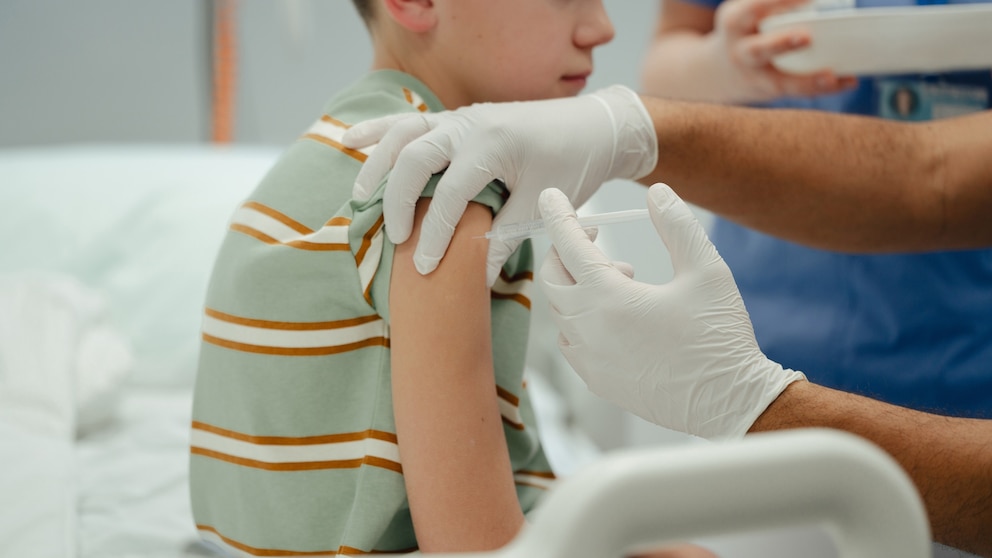
Earlier this week, the Centers for Disease Control and Prevention abruptly changed the childhood immunization schedule, reducing the number of recommended shots for all children from 18 down to only 11.
According to the new schedule, shots will now be categorized in three groups: those recommended for all children, those recommended for only certain high-risk children and others left up to shared clinical decision making, meaning only given if recommended by an individual's doctor or based on parental preference.
Some pediatricians told ABC News that this decision will only cause more confusion and fuel a growing trend of vaccine skepticism and refusal amid a rise in some vaccine-preventable illnesses around the U.S.
Dr. Anita Henderson, a pediatrician at the Pediatric Clinic in Hattiesburg, Mississippi, told ABC News that removing seven shots from the schedule recommended for all kids is "reckless" and confusing.
This isn't the first change to vaccine recommendations that has been made in the past year by the Department of Health and Human Services under Secretary Robert F. Kennedy Jr.
In 2025, guidance for vaccinating healthy children against COVID-19 was reversed and the universal birth dose of the hepatitis B vaccine was eliminated. Kennedy also fired all 17 members of the CDC's vaccine advisory panel and handpicked their replacements, and has been criticized.
"Pediatricians are already facing families who are confused about vaccine recommendations. This confusion is intentional and meant to weaken vaccination rates in the US and sow seeds of doubt and division," Henderson said.
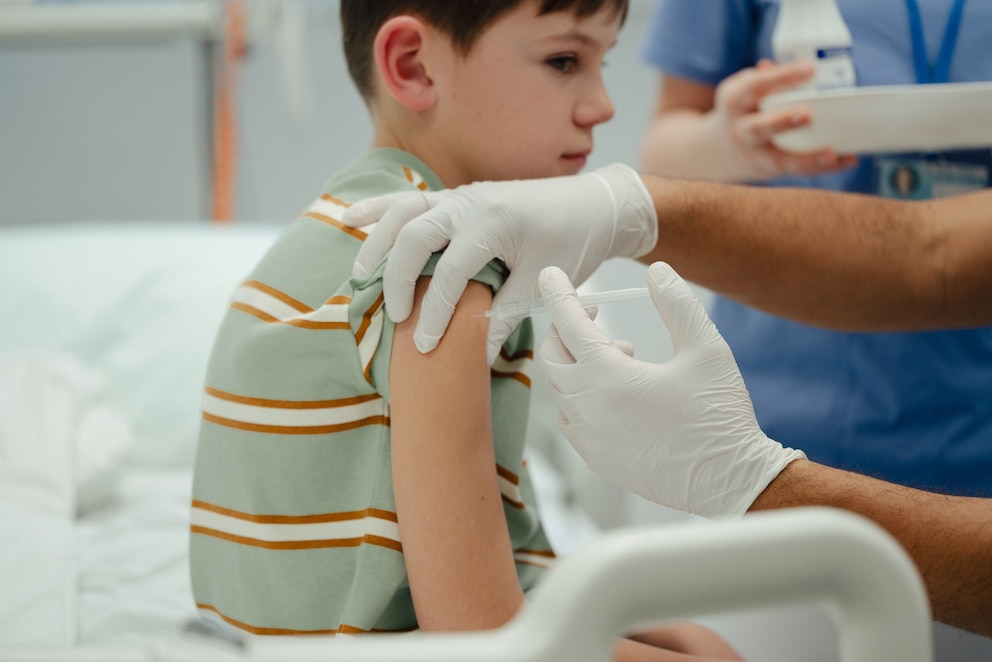
Under the updated schedule, only seven vaccines are recommended based on shared clinical decision making between a doctor and parent and are no longer universally recommended for all children.
These include shots that protect against influenza, COVID-19, rotavirus and some types of bacterial meningitis and viral hepatitis. All of these vaccine-preventable illnesses can lead to severe infections or death and have limited to no treatment options.
"These latest changes will undoubtedly shake confidence in vaccines even further, to the detriment of the children we care for," Dr. Molly O'Shea, a practicing pediatrician and spokesperson for the American Academy of Pediatrics, told ABC News.
O'Shea said that, in her practice, she's had to navigate more vaccine skepticism and refusal over the past year, but wants parents to know that the science on effectiveness and safety hasn't shifted "even though the recommended vaccine schedule has shifted."
She continued, "The reason for that shift has nothing to do with whether or not vaccines are safe and effective and all children benefit from avoiding illness and being healthy, to attend school and be a part of the community."
To address growing concerns about vaccines, O'Shea said the pediatric offices she works in have had to change their workflow to allow more time for discussions about vaccines and to address vaccine misinformation.
While happy to have these conversations with families, O'Shea said reserving time for these additional visits for vaccine counseling becomes more difficult during flu season, when more kids need to be seen due to illnesses.
She added that the offices have already had to scale back ordering some vaccines in bulk because uptake has decreased for some shots.
Henderson and O'Shea both reaffirmed that vaccines are safe -- far safer than the dangerous illnesses they prevent.
"Over the last 30 years, I have hospitalized hundreds of children with complications from influenza, RSV, rotavirus and other vaccine-preventable diseases that have now been removed from the CDC schedule," Henderson said. "I have never hospitalized a child from a vaccine reaction. Vaccines are safe and effective and protect our most vulnerable patients ... our babies and children."
"Vaccines are the safest way for a child's immune system to become familiar with any of these illnesses, way safer than the disease itself," O'Shea added.
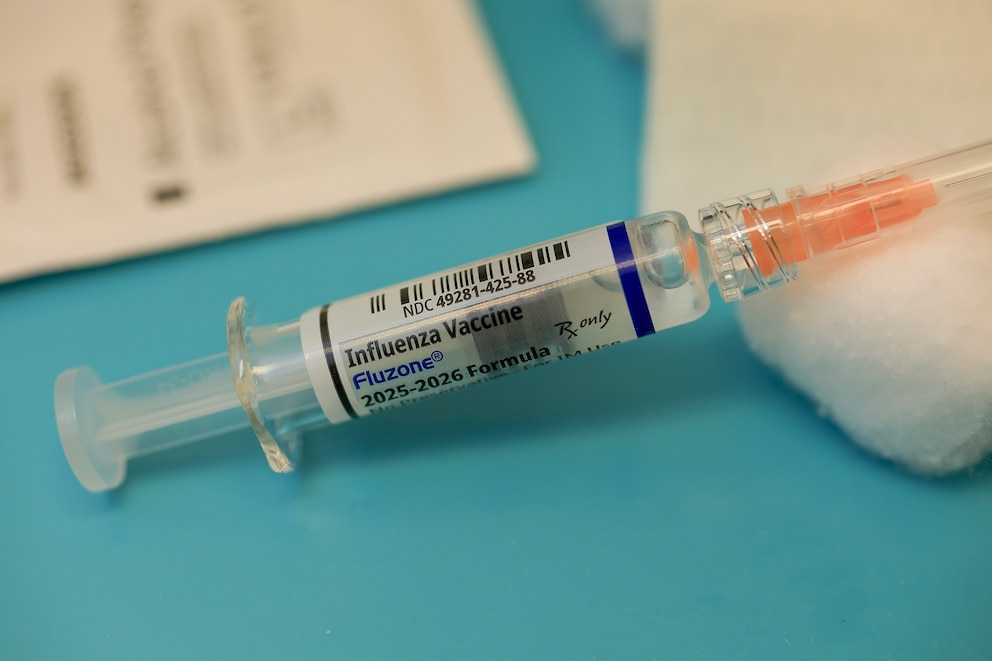
Doctors are also concerned that the vaccination schedule updates may have secondary impacts, including how often children and families see their pediatrician.
Pediatric wellness checks include recommended vaccines, particularly in young childhood, but pediatricians say that there's more to those visits than shots alone. Skipping visits could miss critical windows of a child's growth, development, and recommended screenings.
"Absent vaccine, kids are really going to miss out on important other screening aspects of the wellness visits if their parents are opting out," O'Shea said.
Pediatricians continue to urge parents to talk to their own child's doctor and to trust their medical guidance.
"Your pediatrician really is your trusted source of information, and we have nothing to gain in the way things are going here," O'Shea said.
"Vaccines are certainly not a way in which we make any money," she went on. "But [a] pediatrician's goal is to partner with parents to make the right decision for your child, and so, bringing your concerns and questions to your pediatrician is the best way to get quality information."
Amid the shrinking childhood vaccine schedule, many vaccine-preventable illnesses remain common in the U.S. and other diseases, such as measles and whooping cough, are increasing.
Last year, the U.S. saw more measles cases than at any other time in the last 30 years and three people died from the disease. Two children died from whooping cough during an outbreak in Louisiana and more kids died from influenza than in any other year on record since it became a reportable illness in 2004.