Saliva Test Could Monitor Type 2 Diabetes
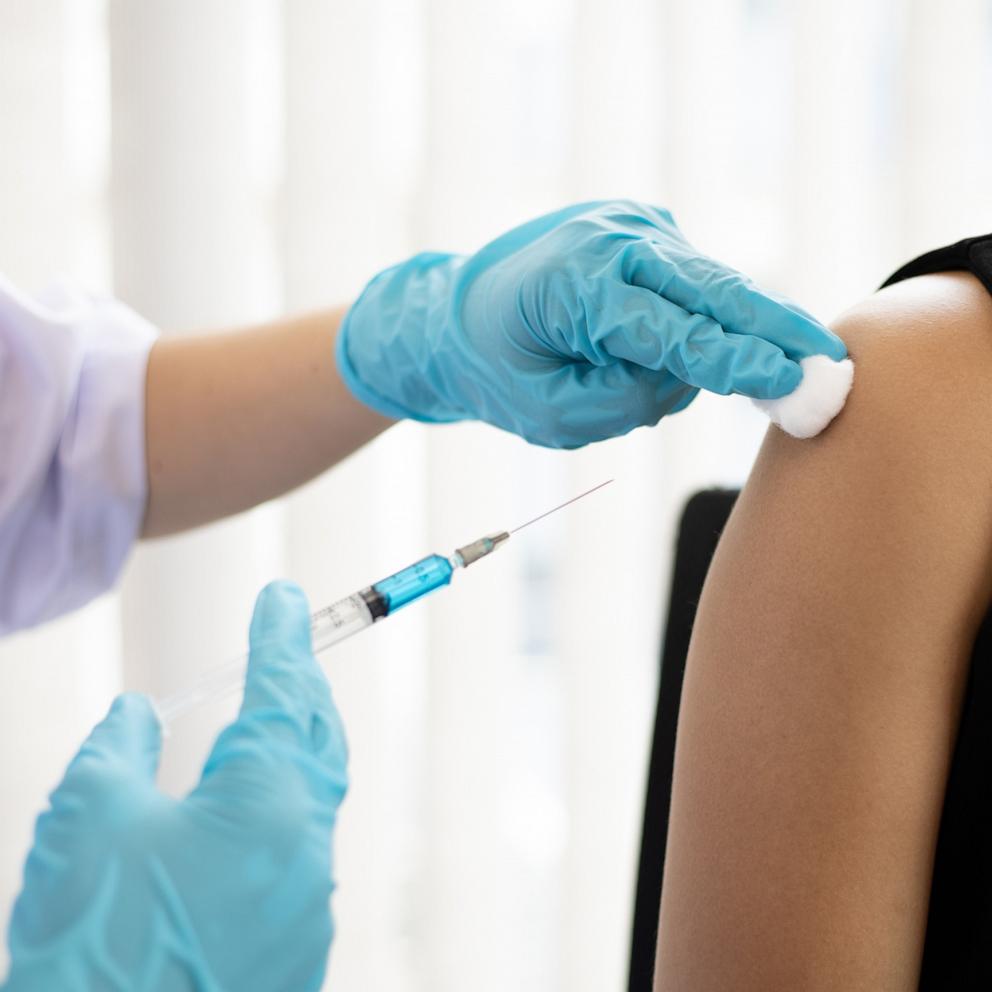
Jan. 21 -- TUESDAY, Jan. 20 (HealthDay News) -- Scientists say they are on the verge of developing a saliva test for monitoring type 2 diabetes, which might someday replace invasive blood tests.
For the first time, researchers from Oregon and India have identified proteins in saliva that appear more frequently in people with diabetes than in non-diabetics. Using these proteins, they are working to develop a test to monitor and perhaps diagnose the condition.
However, Dr. Umesh Masharani, an associate clinical professor of medicine at the University of California, San Francisco, doesn't think this approach is going to replace current blood tests any time soon.
"I think this is an interesting and novel approach," Masharani said. "I do not think this approach will be used in the diagnosis or treatment of diabetes any time in the near future. It is interesting, I think, for research studies in diabetes."
The report was published in the Jan. 2 issue of the Journal of Proteome Research.
For the study, Paturi V. Rao, from the departments of Endocrinology and Metabolism and Medicine at Nizam's Institute of Medical Sciences University in Hyderabad, India, and colleagues analyzed saliva samples from people with and without type 2 diabetes. Their goal was to find proteins associated with the blood sugar disease.
The researchers found 65 proteins that occurred twice as frequently in the people with diabetes than in those without the condition.
Using these proteins, Rao's team hopes to develop a noninvasive test for diabetes screening, detection and monitoring.
Rao's group thinks the pain involved with current diabetes monitoring causes many diabetics to be lax in monitoring their condition. A noninvasive test could make it easier and less painful for patients to keep track of their blood sugar levels.
"As recent studies have shown that early and multi-factorial intervention in diabetes prevents cardiovascular complications and mortality, advances in understanding molecular aspects of preclinical diabetes will further facilitate accurate diagnosis and early intervention," the authors wrote.