4 Screening Tests Women Fear
Feb. 11, 2011— -- Millions of Americans delay-- or even skip--key health screenings such as mammograms, MRIs, and colonoscopies for just one simple reason: fear. Because overcoming your dread of these exams can literally save your life, we gathered experts' best tips for getting through them with minimal discomfort--plus news about the latest high-tech alternatives.
Mammogram
What It Does
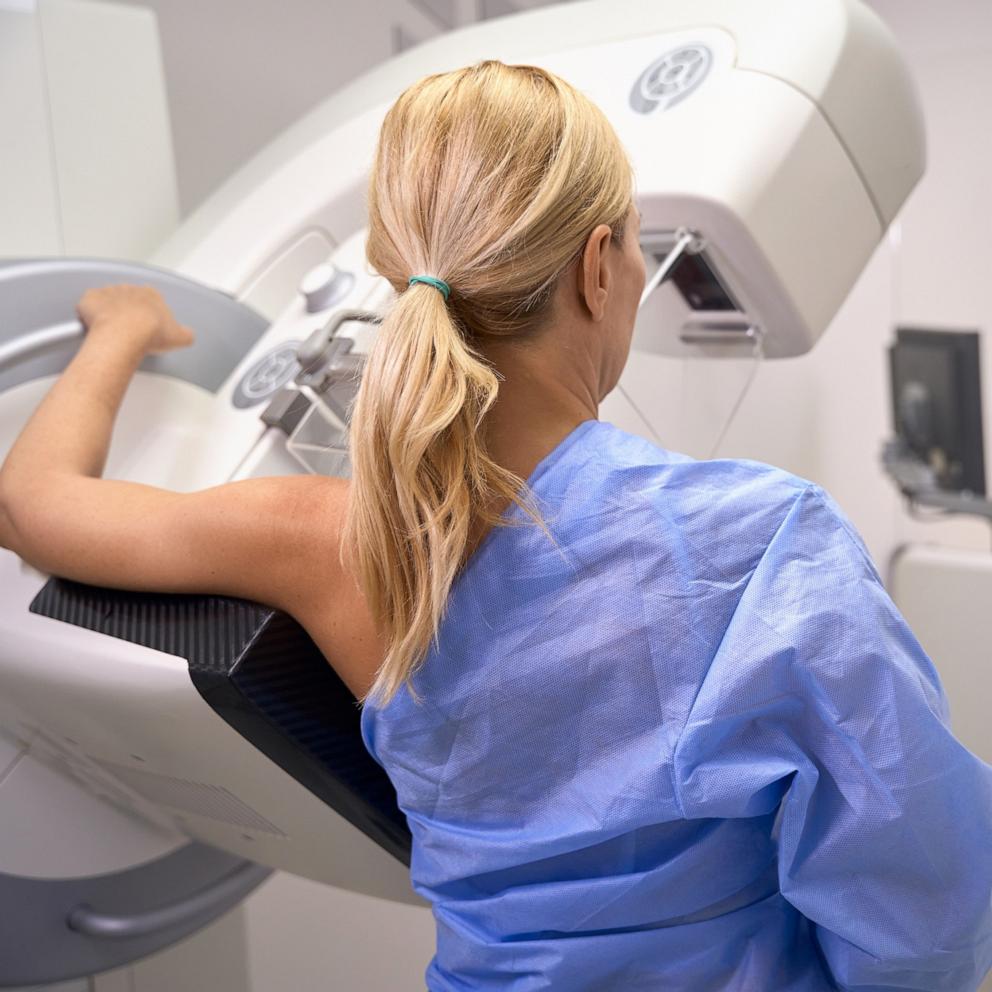
By taking x-rays of a flattened breast, mammography can detect 80 to 90 percent of breast cancers--even ones too tiny to be detected by a manual breast exam. A Swedish study found that regular mammograms can cut the death rate of women in their 40s by up to 29 percent.
The Fear FactorStarting from near your underarm, a technician will tug your flesh until it's positioned between two plastic paddles and then compress it, which can hurt, especially if your breasts are small, dense, or sensitive. Most mammograms take only about 10 seconds of compression per view--just 40 seconds in total.
Apply a Topical Painkiller
In one study, women who applied an OTC 4 percent lidocaine gel to their breasts before their mammograms reported significantly less pain during the test. Two hours before your appointment, apply no more than 1 ounce of gel; within 1 hour, wash thoroughly with warm water (gel ingredients can interfere with image results).
Are There Any Alternatives?
For women at average risk of breast cancer, mammograms are the standard, says Elizabeth Thompson, president of Susan G. Komen for the Cure. For women with very dense breasts or a family history of breast cancer, ultrasound, a painless procedure that uses sound waves to detect abnormalities, is sometimes used along with mammograms. Insurance rarely covers it as a solo preliminary screening.
***
More from Prevention: