This season's flu shot may not be a perfect match but vaccination still offers protection: Expert
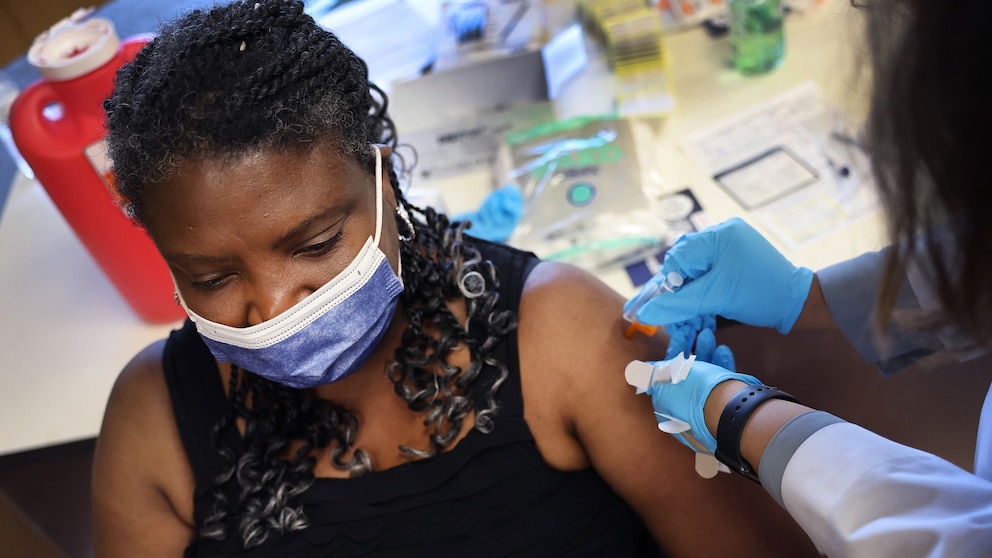
As flu activity continues to increase in the U.S., public health experts have been urging Americans to get vaccinated to protect themselves.
Health systems have reported a somewhat challenging flu season as a new variant spreads across the country, driving a rise in cases.
Additionally, research has shown that the annual flu shot is not perfectly matched with the new variant.
Experts, however, say this is because the flu shot takes months to make, and the new variant emerged long after the shot was produced. Even without a perfect match, they say the vaccine offers important protection against serious complications.
"It's important to remember that every year there's a certain level of matching that happens," said Dr. John Brownstein, an epidemiologist and chief innovation officer at Boston Children's Hospital and an ABC News contributor. "Some years it's better than others, but regardless, that flu shot is offering important cross protection across related strains. So even if it's not a perfect match, it's providing important protection against hospitalization and death and severe illness."
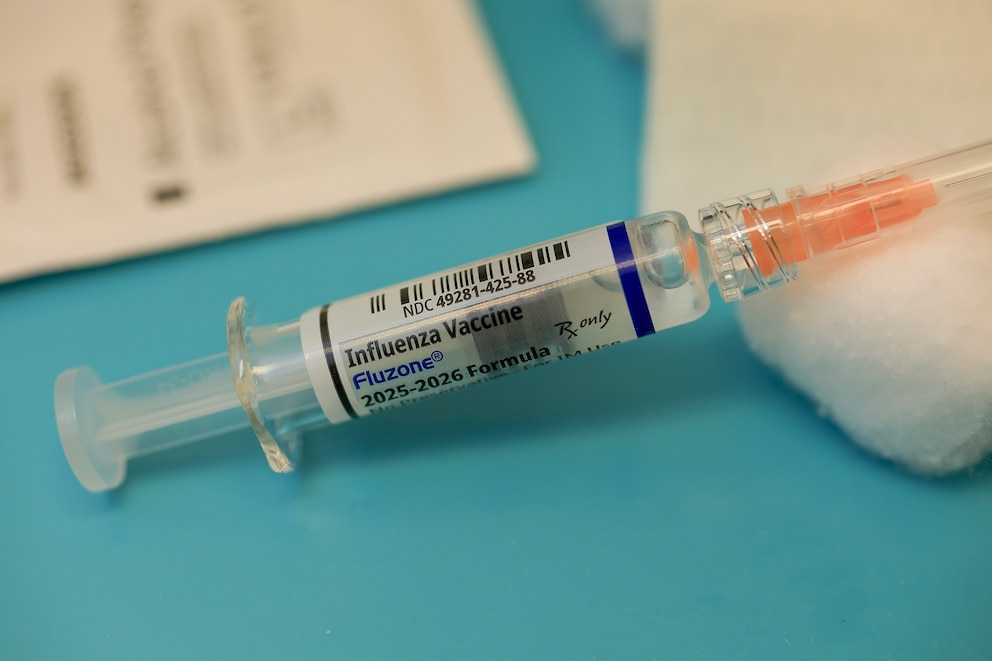
How the annual flu shot is made
Researchers and modelers often look to the southern hemisphere, which experiences its flu season first, to predict how the season will look in the U.S.
The World Health Organization said that from February 2025 through August 2025, influenza activity was reported throughout the southern hemisphere, with rates much higher than during the same period in 2024.
The main strains that circulated in the southern hemisphere included the influenza A H1N1 and H3N2 strains a well as the influenza B Victoria lineage strain.
Brownstein said the composition of the flu shot is decided months in advance of U.S. flu season based on predictions of which strains will be the most prevalent.
"Scientists do their best to figure out and predict what will be the dominant strain," he said. "The challenge is, with an ever-evolving virus, we can get it reasonably right every year, but there's some variation. No flu shot is perfect."
Several organizations, including the National Institute of Allergy and Infectious Diseases, are conducting research on developing a universal flu vaccine that would provide protection against multiple subtypes of flu rather than just a few.
Subclade K emerges
Data shows that the majority of this season's cases are linked to a new flu strain called subclade K -- a variant of the H3N2 virus, which is itself a subtype of influenza A.
Subclade K has been circulating since the summer in other countries and was a main driver of a spike in flu cases in Canada, Japan and the U.K.
"The issue is that the subclade K variant emerged later in the summer," Brownstein said. "This is well past the point where we had determined the composition of the flu shot. K was not known prior to late summer. This is why this didn't factor into the flu shot."
Because subclade K contributed to a rapid rise in cases in other countries, it was predicted that the same would occur in the U.S.
Flu vaccine still offers protection
Despite the shot not being a perfect match, experts say getting an annual flu shot prevents millions of illnesses and flu-related doctors' visits every year -- and is especially important for those at higher risk of serious complications.
A November pre-print from the U.K. Health Security Agency shows the 2025-26 vaccine is 70% to 75% effective at preventing hospitalizations in children between ages 2 and 17 and 30% to 40% effective in adults against influenza A.
Even if a person contracts the flu after getting the vaccine, the risk of complications is lower than for those who have not been vaccinated.
"With flu activity at very high levels currently, the vaccine still represents our best protection," Brownstein said. "Data still strongly suggests that those who are vaccinated have lower risk of severe complications from flu, hospitalization and death, and that's what we've seen in this season and prior seasons, regardless of how well the vaccine matched."