Shelter in place does not mean shelter on the couch: How to stay healthy when COVID-19 sheltering
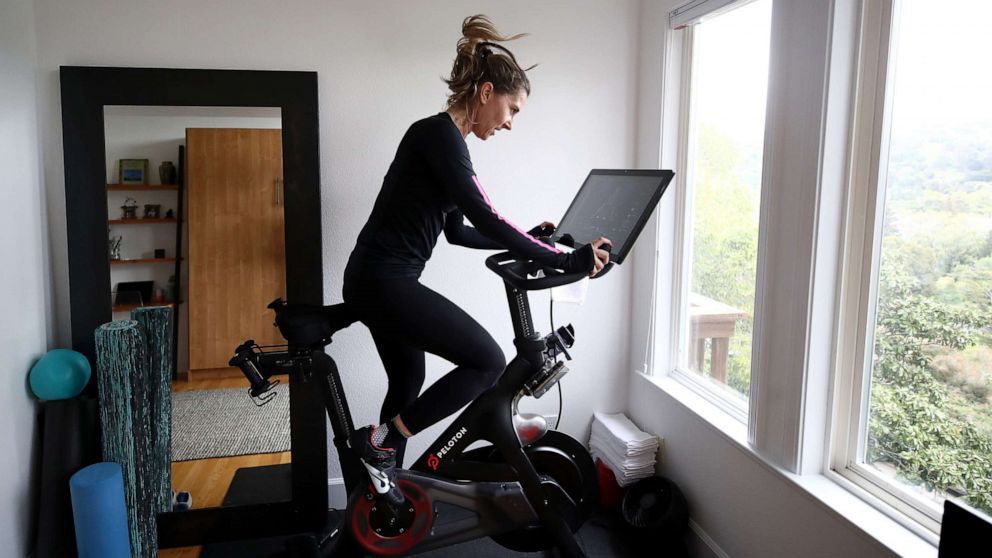
As Americans shelter in place to stay safe during the coronavirus outbreak, their daily routines have been disrupted. But now with most of their time spent home, are Americans able to stay healthy?
Not according to one recent study.
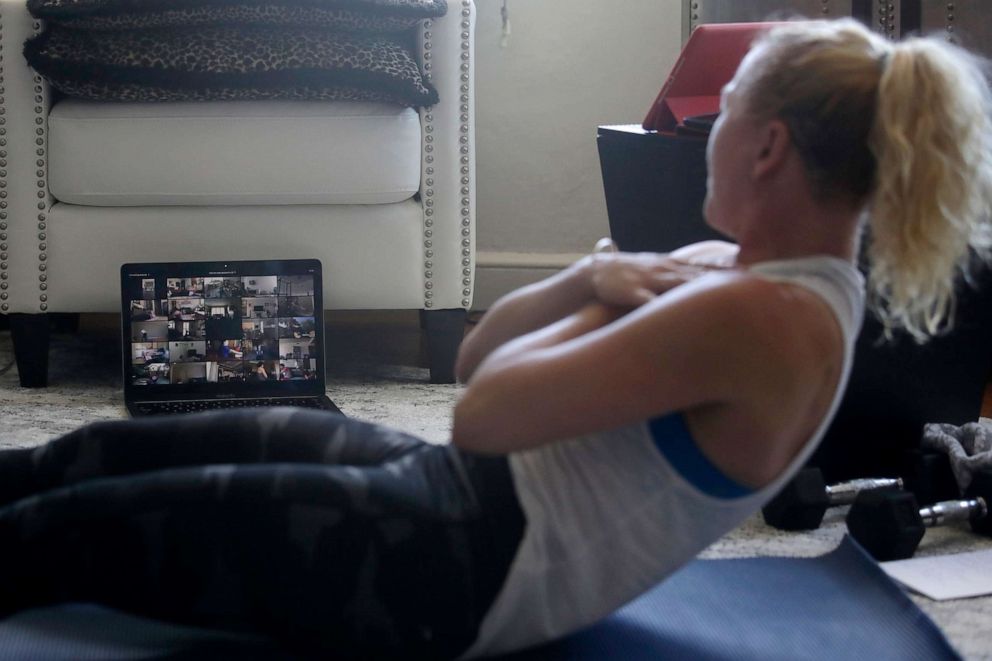
A Gallup report found that social distancing measures are contributing to poor diet and exercise habits. Only 14% of U.S. adults had improved exercise, while 38% of adults said they had worse exercise habits. The report also revealed that only 13% of Americans adopted a better diet while sheltering and 28% of adults report a worsening diet.
Why might this be happening? One reason may be more time spent on digital media. Remaining in our homes is leading to an almost 60% increase in media consumption, according to a Nielsen report.
Unsurprisingly, poor diet and exercise habits while social distancing, can increase the risk for obesity.


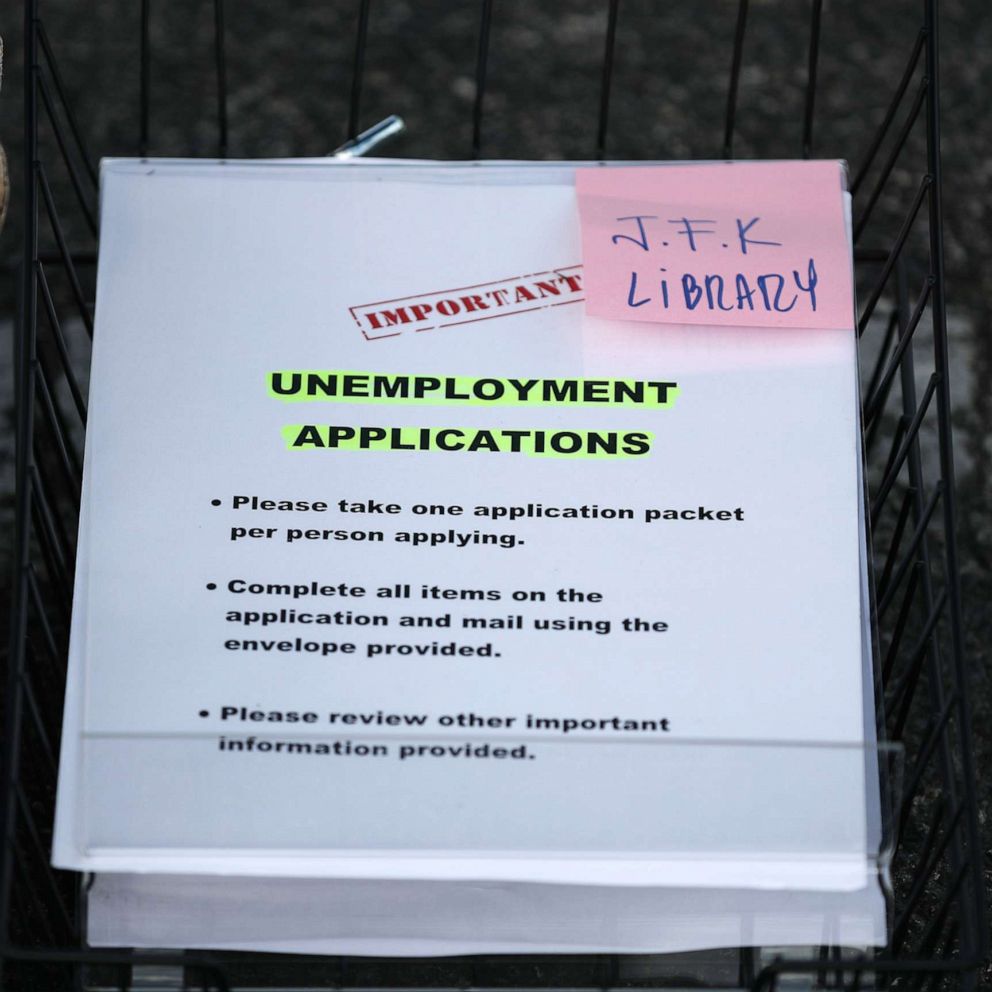
Obesity is not just dangerous to the individual, but unsustainable to society, as costs associated with obesity were about $86 billion in 2006 and have increased since.
Tune into ABC at 1 p.m. ET and ABC News Live at 4 p.m. ET every weekday for special coverage of the novel coronavirus with the full ABC News team, including the latest news, context and analysis.
Social distancing can also be particularly hard for some.
Experts suggest that people with substance abuse issues may face significant risk during this pandemic.
"Those in recovery will face stresses and heightened urges to use substances and will be at greatly increased risk for relapse," stated Dr. Nora Volkow, director of the National Institute on Drug Abuse, in a report.
In fact, national sales of alcohol rose by 55% in the week ending March 21.
Obviously from a health standpoint, these trends do not bode well. But excessive drinking can also incur heavy economic costs. One study suggested that the economic cost of excessive drinking was $223.5 billion in 2006.
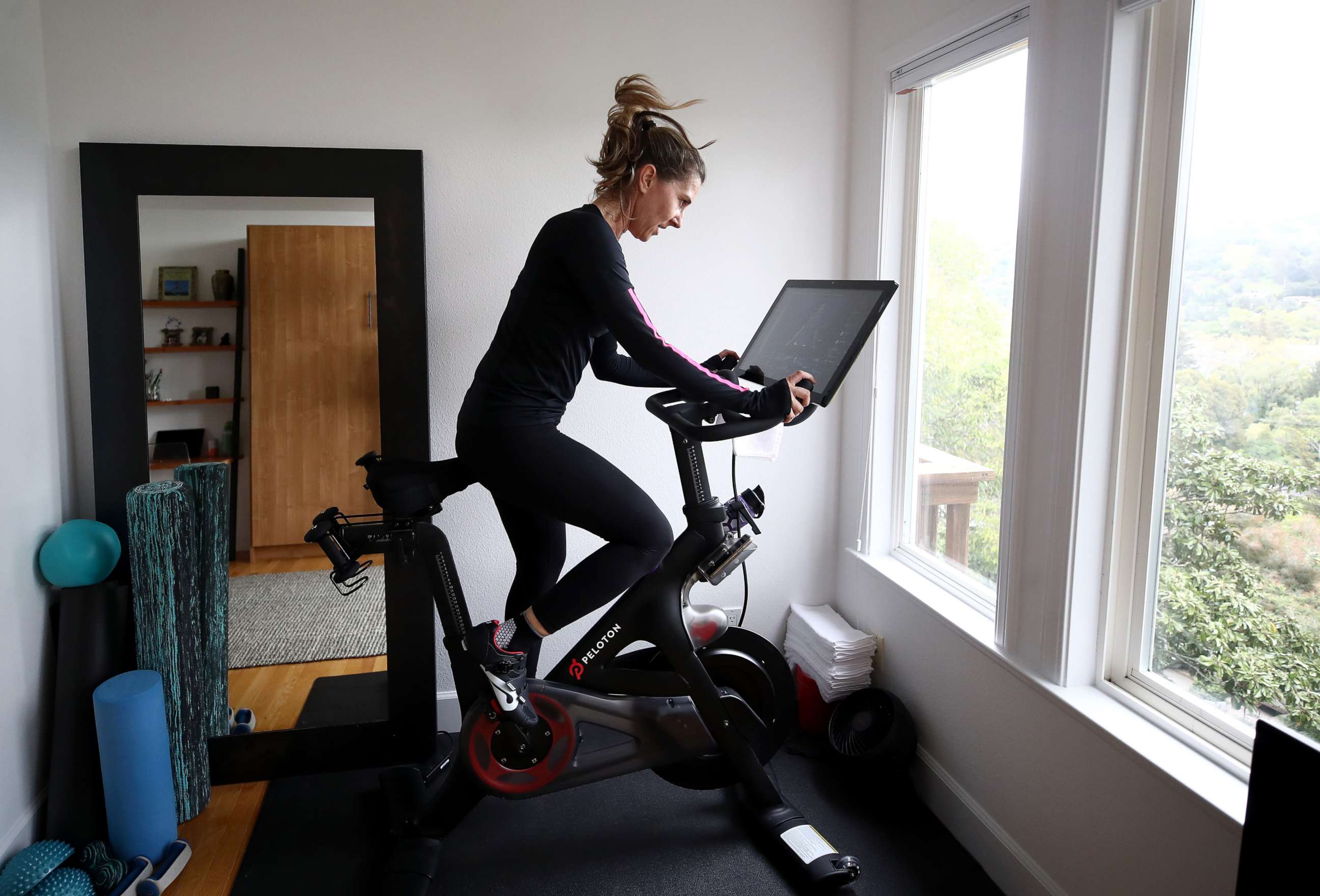
Dr. Emily Leasure, director of the Department of Medicine Primary Care Clinic at Mayo Clinic, called these, "troubling," yet "hopefully, short-lived trends." However, Leasure cautioned once you develop bad habits, they can be hard to break. As many know, once you gain weight, it can be hard to lose.
On the bright side, "establishing positive health habits establishes a routine and doing so now would make it easier to continue on even after the pandemic subsides," she said.
So how can we make the most of this pandemic?
Leasure recommends making a commitment to healthy eating choices and identifying measurable goals for physical activity. For example, tell yourself, "I will not eat chips more than twice a week," or, "I will do 10 minutes of squats, lunges, yoga, jump roping, stairs, or fast-paced walking every day."
"Shelter-in-place does not mean shelter-on-the-couch," Leasure said.
What to know about coronavirus:
- How it started and how to protect yourself: Coronavirus explained
- What to do if you have symptoms: Coronavirus symptoms
- Tracking the spread in the U.S. and worldwide: Coronavirus map
Vinayak Kumar, M.D., M.B.A., is an Internal Medicine Resident at Mayo Clinic and is a contributor to the ABC News Medical Unit.