What you need to know about 'sloth fever' after 21 cases confirmed among US travelers

Health officials are warning Americans about a rare insect-borne virus that has infected several travelers.
As of Aug. 16, there have been 21 cases of Oropouche virus disease, sometimes called "sloth fever," detected among U.S. travelers returning from Cuba, according to the Centers for Disease Control and Prevention (CDC).
The CDC said it wants clinicians and public health offices to be aware of the virus and to test for suspected cases, and for travelers to protect themselves from insect bites.
Here's what you need to know about the virus:
What is 'sloth fever'?
Oropouche virus is an arthropod-borne virus, meaning a type of virus spread to people by the bite of infected arthropods, a group of insects.
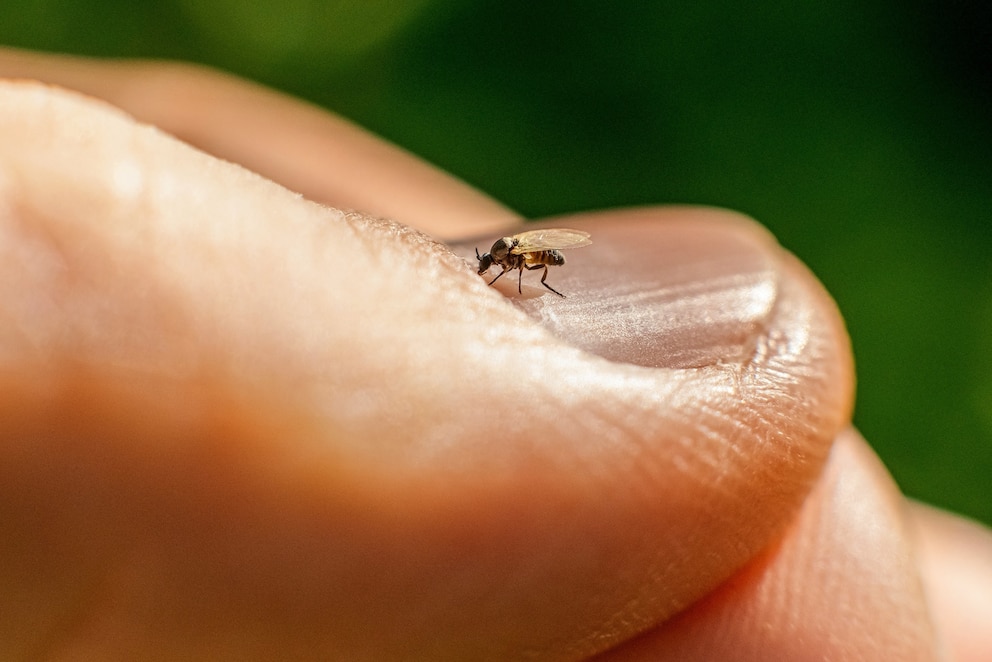
The virus is mainly spread to humans by infected culicoides prariensis, a species of biting midges, although it can be transmitted by certain mosquito species, according to the CDC.
It is sometimes called "sloth fever" because scientists investigating the virus first found it in a three-toed sloth and the virus naturally lives in sloths, non-human primates and birds.
"I think that really stems from the role of sloths as hosts in that natural transmission cycle," Dr. Chantal Vogels, an assistant professor of epidemiology at Yale School of Public Health, told ABC News. "But there's other animals involved as well."
Oropouche virus is endemic to the Amazon basin -- including Bolivia, Colombia and Peru -- and was first discovered in a human in 1955 in a febrile forest worker in a village in Trinidad and Tobago.
"The concern is that now it is spreading to Cuba and possibly elsewhere in the Caribbean, with imported cases in the U.S.," Dr. Peter Hotez, co-director of the Texas Children's Hospital Center for Vaccine Development and dean of the National School of Tropical Medicine at Baylor College of Medicine, told ABC News. "There is a possibility that it could gain a foothold in the southern U.S. especially in Gulf Coast states."
What are the symptoms?
The incubation period of Oropouche virus disease is three to 10 days and matches symptoms of similar diseases including dengue, Zika and chikungunya.
Common symptoms include fever, headache, chills, muscle aches and joint pain, typically lasting about two to seven days and then disappearing.

Patients may experience other symptoms including nausea, vomiting, rash, sensitivity to light, dizziness and pain behind the eyes.
"This virus is an interesting one in that about a week later, 50% or more of people will have a recurrence of the symptoms," Dr. Michael Angarone, an infectious diseases specialist at Northwestern Medicine in Chicago, told ABC News. "So, the symptoms will recur and, again, be present for around five days to seven days and then go away. So, I think that's a very interesting aspect of this virus."
How is it treated?
To be diagnosed with Oropouche virus disease, a health care provider will have to order laboratory tests.
There are no vaccines to prevent or medicines to treat Oropouche virus disease. Treatment mainly involves treating the symptoms including getting rest, preventing dehydration, and taking over-the-counter pain medicine, such as acetaminophen, according to the CDC.
The CDC advises against taking aspirin or other non-steroidal anti-inflammatory drugs until dengue can be ruled out to lower the risk of bleeding.
How do I prevent the virus?
The best prevention method is to prevent bites from midges or mosquitoes. The CDC recommends using insect repellent, having tight-fitting screens on windows and doors, wearing long-sleeve shirts and pants and using a fan when outdoors.
Currently there is no evidence of local transmission in the U.S; the only cases have been travel-related.
"Here in the U.S., I think travelers should be alert," Vogels said. "If they travel to areas where there is ongoing transmission, they should be aware of potential symptoms upon return."
There have also been recent reports of possible vertical transmission, which is when a pregnant person passes the infection to their baby in utero. The infection may result in adverse pregnancy outcomes, including fetal deaths and congenital malformations.
"This has been demonstrated in South America, but also in, I think, a few of the cases that are being looked at now from Cuba," Angarone said. "There have been descriptions of fetal demise, so [miscarriage] or premature labor and congenital abnormalities, they have not been confirmed to be caused by the virus or the infection, and that's what's being looked into."
The experts recommend that travelers -- especially those who are older or immunocompromised -- exercise further precautions when traveling to prevent infection.
Those who are pregnant and are considering travel to countries with an Oropouche virus Level 2 Travel Health Notice, reconsider nonessential travel, the CDC says.