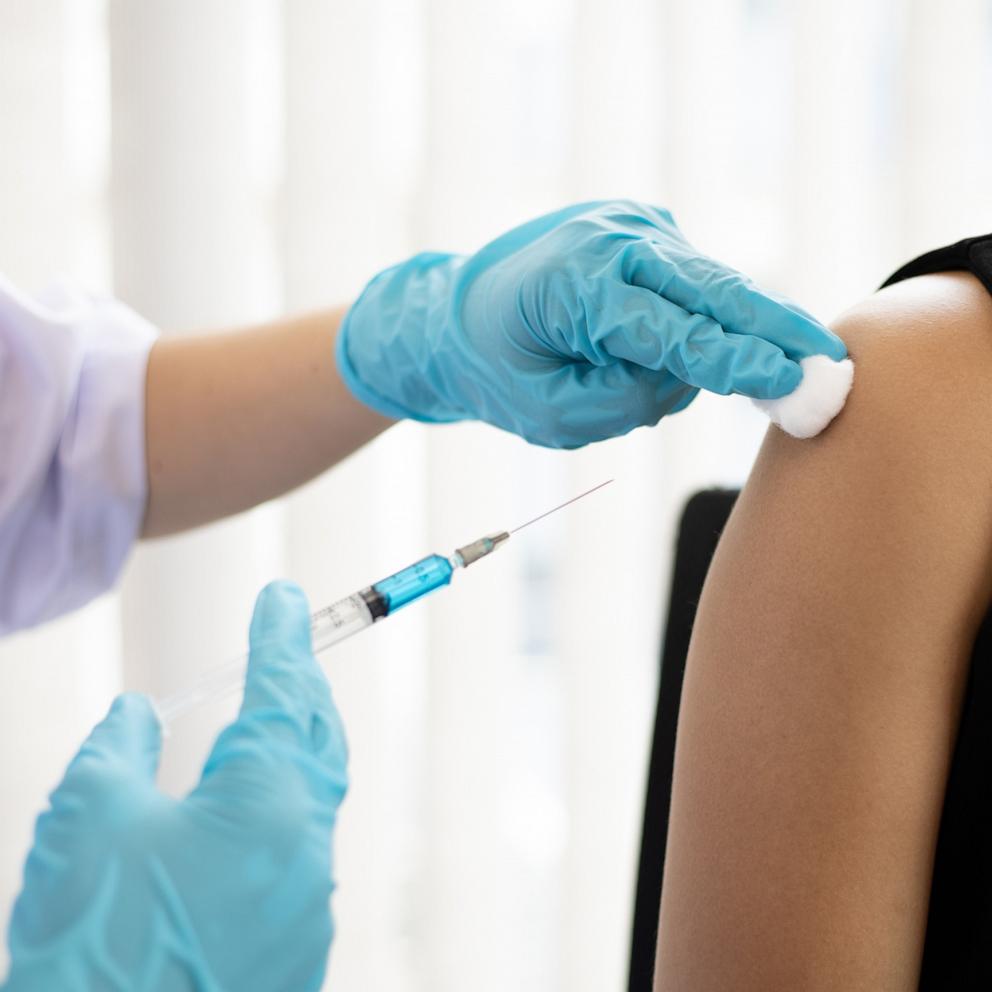
Smartphones and COVID-19 transmission: What we know so far
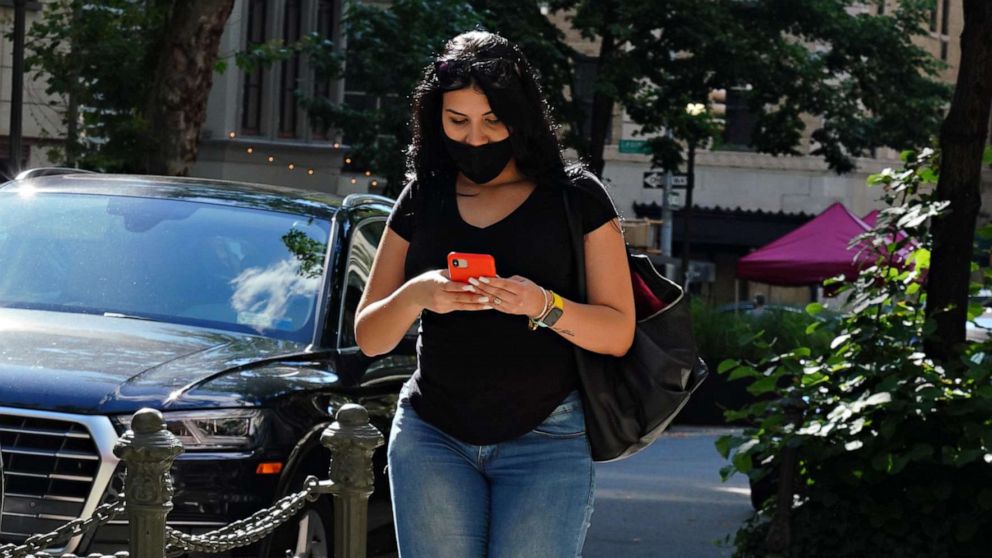
As uncertainty around COVID-19 transmission continues, experts say it's unlikely you'll be infected by your smartphone -- but you should probably sanitize it anyway.
Although there haven't been any documented cases of transmission through a smartphone, experts say that sanitizing your phone is just good hygiene, akin to washing your hands.
The World Health Organization and Centers for Disease Control and Prevention both say it's theoretically possible for the virus that causes COVID-19 to live on surfaces and infect people, although it has not been proven. The WHO cites prior studies that found the virus can survive on surfaces like plastic, glass and metals for periods ranging from hours to days, depending on the environment, the type of surface and even the location, such as health care facilities where COVID-19 patients are being treated.
Despite evidence of the survival of the virus on certain surfaces, there are no specific studies that have directly demonstrated transmission by touching surfaces.
"This is not the primary source of transmission of the virus, but we have to minimize all possible sources," said Dr. Simone Wildes, an infectious diseases physician at South Shore Health in New York and contributor to the ABC News Medical Unit. "Just like we recommend washing your hands, we can tell people to clean their phones."
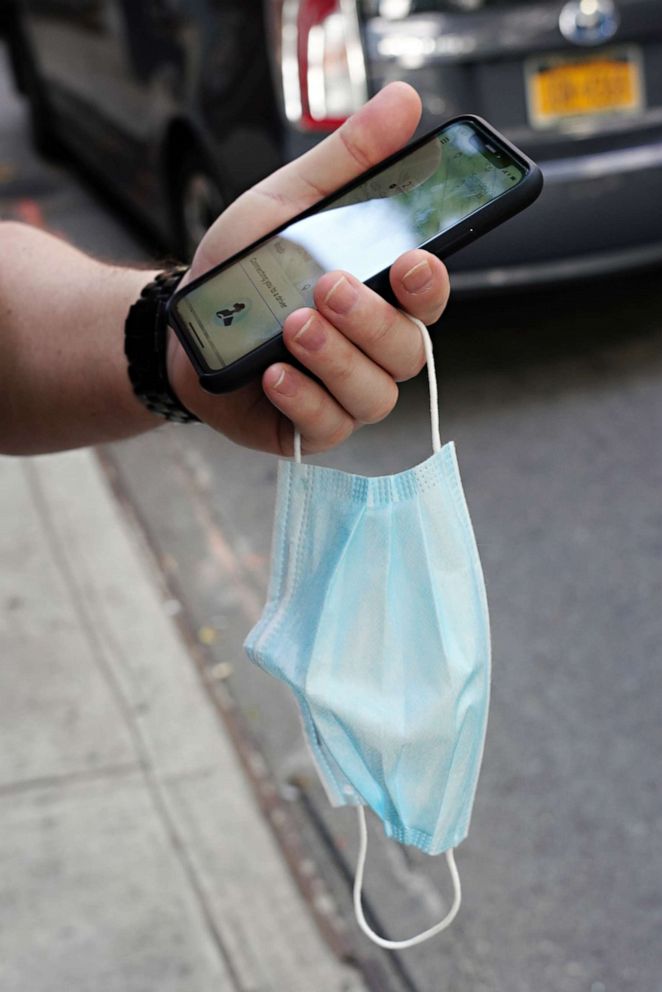
"Given how attached we are to our phones and the frequent use throughout the day, we have to be vigilant about cleaning it to minimize the spread of coronavirus," said Wildes.
Close cousins of the novel coronavirus, including the first SARS virus as well as MERS, can live on surfaces and possibly spread when those contaminated surfaces are touched. Because we're still learning about this new coronavirus, experts say it's prudent to be cautious.
"If you don't let others play with your phone, you will have less risk of having it contaminated. If it does get contaminated, the bigger risk is then putting it to your face," said Dr. David Cennimo, an infectious disease specialist at Rutgers University. "I do suggest people clean their phones."
Dr. Joseph Allen, an assistant professor of exposure assessment science at Harvard's T.H. Chan School of Public Health and director of the school's Healthy Buildings program, said electronics should be cleaned regularly per manufacturer's guidelines. But in lieu of those guidelines, people should wipe down high-touch surfaces using a solution with at least 70% alcohol.
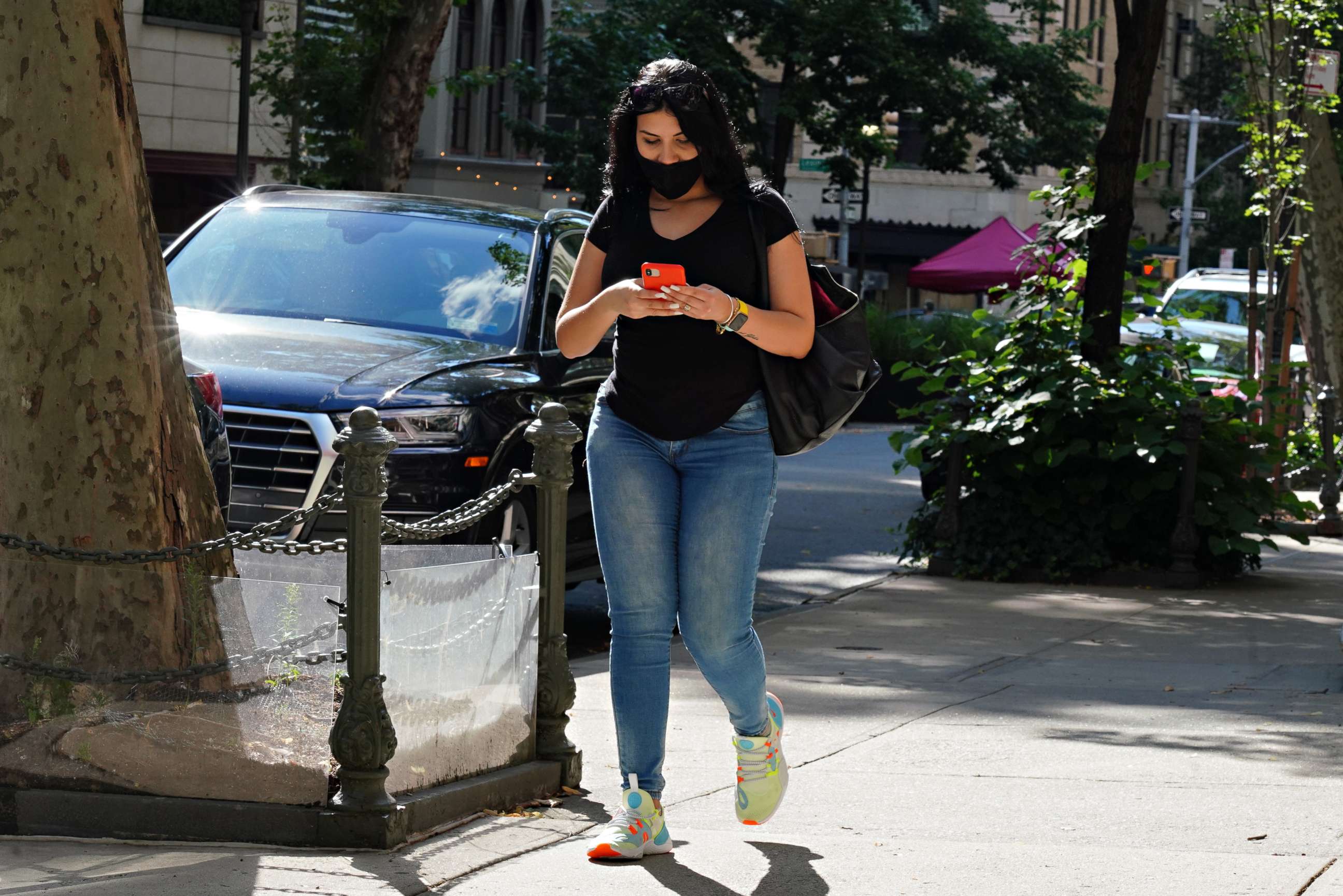
"This is an easy, inexpensive method that we can all do just like we do with the wearing of masks," added Wildes. Another option for disinfecting might be ultraviolet light, but that hasn't been definitively proven to work for this coronavirus yet, and "can be expensive," Wildes said.
Your best bet, said Wildes, is to spend "a few extra minutes to clean your cellphone each day."
For more detailed information about cleaning and disinfecting electronics such as your smartphone, see Harvard For Health's full guide to cleaning and disinfecting electronics.
Alexis E. Carrington, M.D., a dermatology research fellow at the University of California, Davis, and Ayodola Adigun, M.D., M.S., an attending in pediatric and adult psychiatry at Columbia University Irving Medical Campus and a clinical instructor at Yale Child Study Center, are contributors to the ABC News Medical Unit.