FDA disagrees, calls meeting on study showing breast implants' link to rare conditions
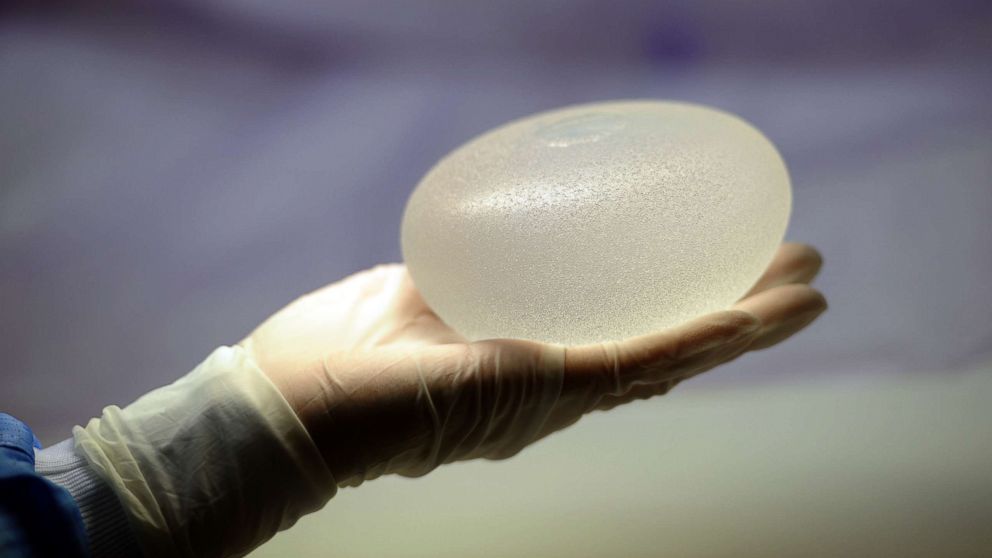
The Food and Drug Administration has refuted a link between silicone breast implants and higher rates of rare health conditions, found in a recent study. The agency has called a meeting next year to review all available data, including this study.
The study has sparked controversy within the medical community, especially since silicone breast implants have been taken off the market in the past.
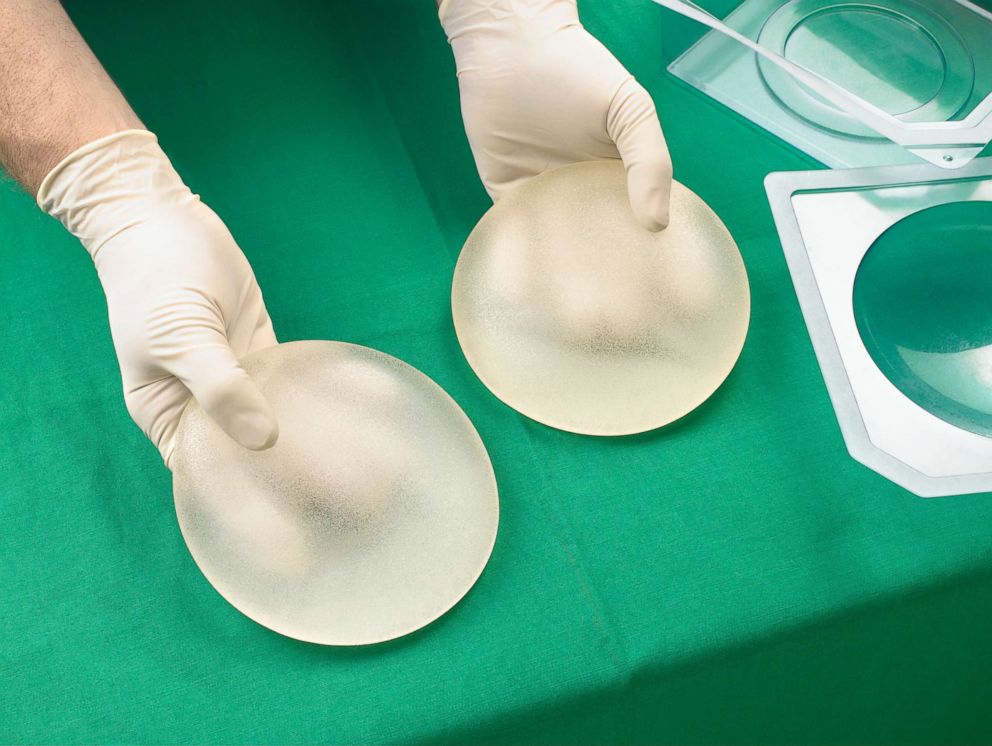
What to know about silicone breast implants
The current generation of silicone-filled implants was approved in 2006, after the FDA lifted a previous 1992 ban that had been in place because of safety concerns.
The approval came after the Institute of Medicine second review of the evidence that led to the 1992 ban, which concluded there was no association between breast implants and autoimmune or connective tissue disorders.
But as part of their approval, the FDA required manufacturers to conduct large post-approval studies. That's the database used by both the FDA in their 2011 analysis and the current MD Anderson team.
Every year, breast implants are used in 300,000 augmentations and 100,000 revisions -- reconstructive surgery, for example -- in the United States, according to the American Society of Plastic Surgeons.
The FDA states breast implants are not lifetime devices. The longer a woman has the implants, the more likely complications requiring removal are to occur.
What did the new study find?
The study, published in the journal Annals of Surgery, followed 100,000 women who had breast implants for a decade to see if they had different medical issues than women without them. The researchers at the University of Texas MD Anderson Cancer Center analyzed data from the FDA database of publicly available post-approval studies.
The women included in the study had received either silicone-filled implants or saline-filled implants, which contain an outer silicone shell. They were found to have two to eight times higher rates of connective tissue disorders, autoimmune disorders, skin cancer, and stillbirth.
Why are the findings controversial?
Both FDA officials and the study authors point out there were several limitations to the study. The two groups analyzed the same information, but came to different conclusions.
The lead investigator of the study, Dr. Mark W. Clemens, associate professor of plastic surgery at MD Anderson Cancer Center, said it did not report or prove a direct link or causative effective between the implants and the reported conditions, but rather an association.
The FDA said the results should be viewed with caution because the way the agency and MD Anderson conducted their studies was also different.
"[The authors] failed to account for methodological differences between studies, inconsistencies in the data ... and other potential sources of bias," said Dr. Binita Ashar, a general surgeon and the director of the Division of Surgical Devices at the FDA’s Center for Devices and Radiological Health, in an editorial response to the study, also published in the Annals of Surgery.https://journals.lww.com/annalsofsurgery/Citation/publishahead/Assessing_the_Risks_of_Breast_Implants_and_FDA_s.95397.aspx
Ashar underscored the importance of finding more reliable ways to monitor for these kinds of adverse health outcomes once products are released to the market.
The FDA approved the implants in 2006 and officials analyzed the results of the same large post-approval studies database used by Clemens and his team back in 2011.
Their conclusion was insufficient information to show an association between silicone gel-filled breast implants and connective tissue disease, breast cancer, or reproductive problems, according to a press release from the FDA.
Edith Bracho-Sanchez, M.D., is a pediatrician and consultant for ABC News.