Study suggests eating less protein could be key to healthy aging for most adults

A major scientific review is challenging the idea that more protein is always better.
The review, led by pathologist and biomedical researcher Dudley Lamming and published in the journal Cell Press Blue, examined more than 350 studies involving humans, mice, insects, yeast, and other organisms.
The review found that eating less protein, or less of certain amino acids that make up protein, may turn on body processes linked to healthier aging, as well as metabolism, the process by which the body turns food and drinks into energy.
Protein is everywhere

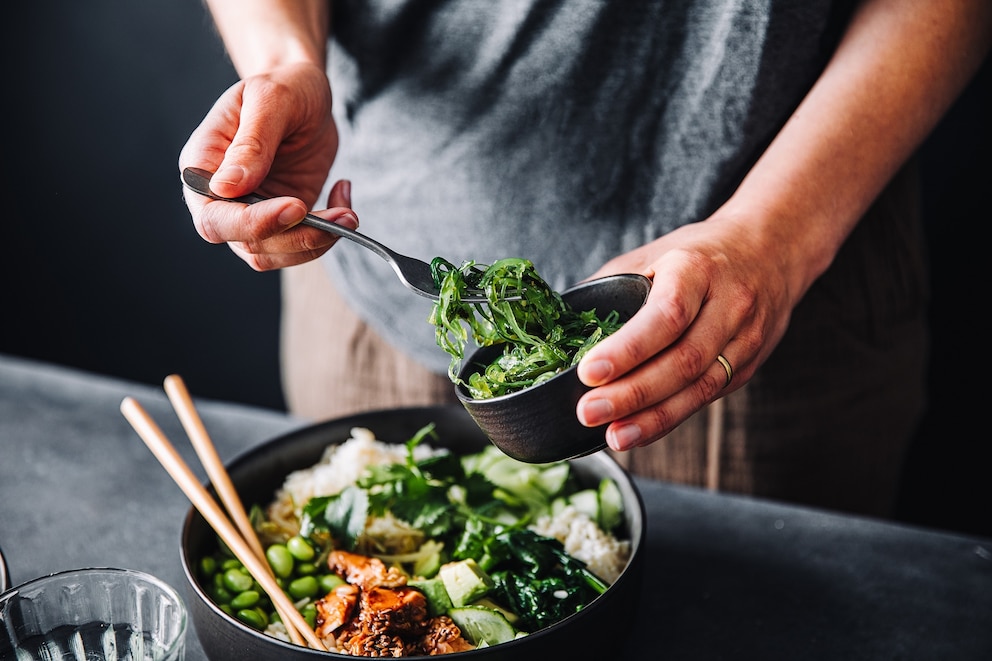
Protein is now added to lattes, cereal, chips, ramen, and many other foods that were never traditionally marketed as protein-rich. The message seems clear: More protein must be better.
But scientists are asking if that is true for everyone. For adults who already get enough, eating more protein may offer little benefit, while some research suggests that eating less protein could support healthier aging.
A 2025 survey by the International Food Information Council found that 70% of U.S. adults said they "try" to eat protein, with high-protein diets the most popular type of diet that same year, for the third year in a row.
Still, many people surveyed said they did not know just how much protein they needed.
How much protein do adults need?
Protein helps build muscle, repair tissue, and help the body recover. But protein needs vary from person to person depending on age, health, body size and activity level.
The recommended daily amount for a healthy adult is 0.8 grams of protein per kilogram of body weight, or about 0.36 grams per pound.

For a person who weighs 140 pounds, the daily recommended amount is about 51 grams of protein.
Many Americans already eat more than that. A usual meal may have 20 to 30 grams of protein, often from a 3- to 6-ounce serving of meat, chicken or fish.
A study of national health data found that adults who met exercise guidelines ate about 82 grams of protein a day. Adults who did not meet the guidelines still ate about 79 grams a day.
"It's probably safe to say that for sedentary individuals, maybe [follow] the original [recommended daily amount of] 0.8 grams per kilogram," said Lamming, who studies aging at the University of Wisconsin-Madison School of Medicine and Public Health.
This does not mean inactive adults should cut their daily protein intake immediately -- it just means they may not need to keep adding more.
For sedentary individuals, simply moving the body may also help health more than just eating extra protein.
How does less protein support healthy aging?
Lamming reviewed the effect of reducing protein in many body processes. One of the processes involves a hormone called FGF21.
"There's an increase in a hormone called FGF21 that promotes energy expenditure [when protein intake is reduced]," Lamming said. "It essentially increases thermogenesis in your adipose tissue, so you don't just store fat, but actually burn it as fuel."
This may help explain why some studies connect lower-protein diets with less body fat, better blood sugar control and a healthier metabolism.
Eating less protein may also affect signals that tell cells when to grow, repair damage or recycle old cell parts. These jobs may play a role in aging.
However, protein restriction is not the same as protein deficiency. The goal is not to deprive the body of an essential nutrient. Instead, the research raises the possibility that avoiding unnecessary excess could benefit some people who already consume enough.
The 'right' amount of protein depends on the person
Some people need more protein than others.
Active adults, pregnant people, older adults, and those recovering from illness, injury, or surgery may have higher needs. People losing weight may also need enough protein to protect muscle as they lose body fat.
Older adults may need extra care. Aging can cause sarcopenia, which is a slow loss of muscle and strength. Eating enough protein and doing strength exercises may help slow this loss.

People with kidney disease, liver disease or other health problems may need special advice.
Anyone planning a major change in protein intake should talk with a doctor or registered dietitian.
What scientists still do not know
This review also has some limitations. The studies used different diets, protein amounts, and study lengths. Many studies were done in animals or other organisms, so the results may not fully apply to people.
Protein is still essential. But healthy adults who already get enough may not benefit from adding it to every meal, snack, and drink.
Before reaching for another high-protein product, a better question may be: How much protein does my body actually need?
Dr. Lu Li is an internal medicine resident physician at Kaiser Permanente Santa Clara and a member of the ABC News Medical Unit.