Sun safety tips to avoid having a summer 'fry day'

As pools and parks open and people flood the nation's beaches this Memorial Day weekend, many are cheering the unofficial start of summer. But doctors caution that with the start of summer, extra skin care is necessary.
Skin cancer is on the rise and most skin aging is caused by the sun. A staggering one in five Americans will develop skin cancer by age 70 and there are more skin cancer diagnoses than all other cancers combined, the Skin Cancer Foundation said. About 9,500 people in the U.S. are diagnosed with skin cancer every day, according to the American Academy of Dermatology.
Today is "Don’t Fry Day," named to remind Americans about the dangers of too much sun exposure and how to prevent sunburns, skin cancer, premature aging of the skin, cataracts and other eye damage with everyday routines.

SunscreenFor a product to be called sunscreen, it must have a sun protection factor (SPF) of at least 15, but many dermatologists suggest using SPF 30 or higher. Sunscreen should protect against ultraviolet A (UVA) and ultraviolet B (UVB) rays; a whopping 90 percent of nonmelanoma skin cancers and 86 percent of melanomas are associated with UV radiation, the Skin Cancer Foundation said.
During outdoor activity, cover any exposed skin with the sunscreen 20 minutes before going out and reapply after two hours, or after swimming or sweating it off. Don't be fooled by cloudy days —- the rays of the sun get through even when it’s overcast.
Regular daily use of sunscreen can reduce the risk of melanoma, the deadliest type of skin cancer, by 50 percent and squamous cell carcinoma by 40 percent, according to the Skin Cancer Foundation. It can also decrease the rate at which skin wrinkles and spots.
Accessories Hats and sunglasses are a must! Wide brimmed hats and large framed sunglasses are not only a fashion trend, but do wonders in protecting you from the sun, and cover areas of your body that sunscreen cannot: your scalp and your eyes. The sun is strongest from 10 a.m. to 4 p.m., so find shade during those hours.
Staying out of the sunThe National Weather Service and the U.S. Environmental Protection Agency issue the UV Index every day, which is meant to help people decide how much to be in the sun. The number represents the strength of the sun's harmful rays; the higher the number, the stronger the rays are that day.
Sun damage is irreversible, so finding shade in some way, either under an umbrella or a structure is helpful to avoid it.
After a burnWhen the skin burns, it loses a lot of fluid. So it's important to drink a lot of water. When it comes to bathing and showering, skin that's overheated after a burn benefits from keeping the water cool. Hot water can make it worse and even cause painful blisters. Use nondrying and unscented soaps and do not spend too much time in the shower to prevent excess skin drying.
Also wear loose clothing; a sunburn can cause the skin to become inflamed, so wearing tight clothing will not give it room to heal.
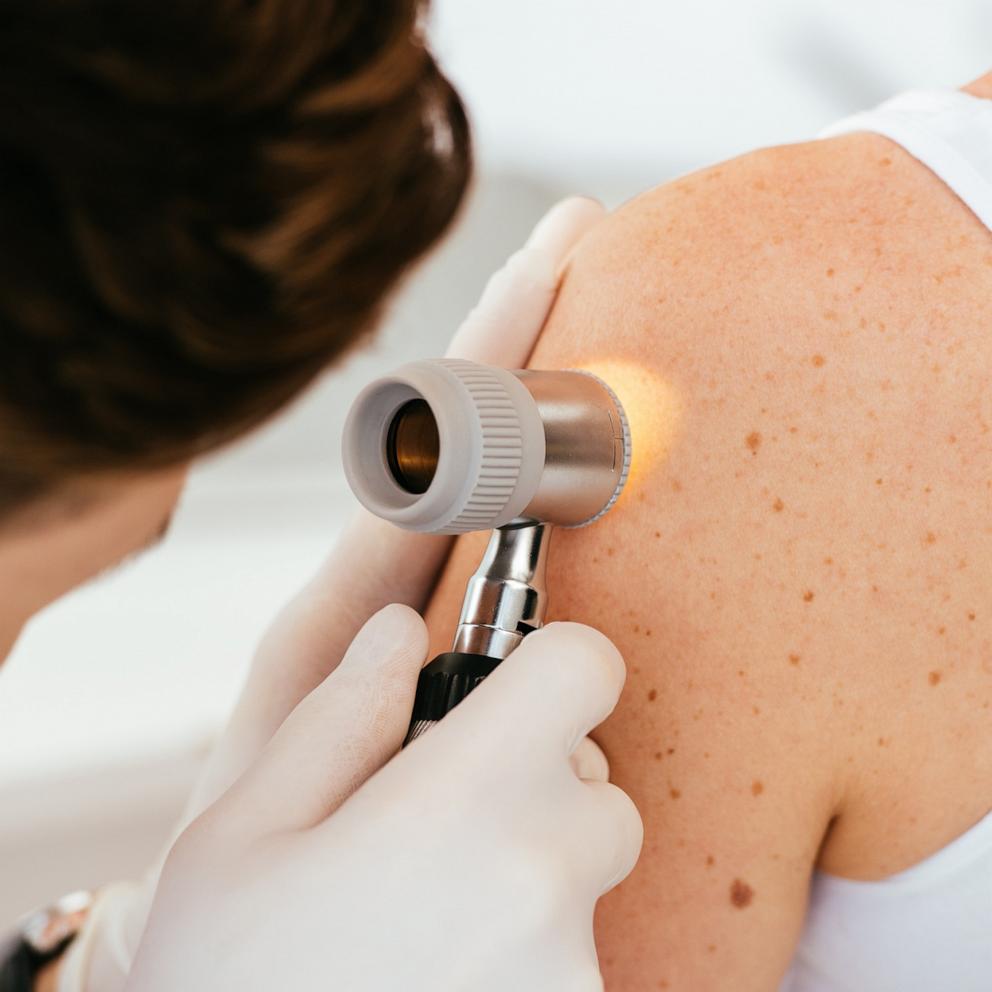
Self-MonitoringAnyone who notices a new growth on the skin, a spot that is different from another spot, a sore that isn’t healing, something that doesn’t look right, or anything that itches, bleeds or changes shape, should see a doctor. Those situations could be a first sign of something that needs further attention. Many skin cancers are first detected by people themselves.
Most of this advice, including the use of sunscreen, applies to every day of the year. Avoid tanning beds, seek shade whenever possible, cover up with clothing. Also, see a doctor every year for a full and professional skin exam; they will look at moles and skin changes to nip potential skin cancer in the bud.
Go out and enjoy, just don't fry.
Eric M. Ascher, DO, is a third-year family medicine resident from New York working in the ABC News Medical Unit.