Superbugs are a leading global health risk: UN report

Superbugs are now a leading global health risk, according to a major U.N. report published Tuesday.
Major industries like the pharmaceutical and agricultural industries are largely responsible for this growing threat, inadvertently driving dangerous pathogens to evolve to outsmart currently available medications, the report said.
Antimicrobials, which include antibiotics, antivirals, antifungals, and antiparasitics are commonly used to prevent and treat infections in humans, animals and crops. However, their overuse and misuse have led to the development of antimicrobial resistance (AMR) in the world, where microorganisms become resistant to treatments that were once effective. AMR has been identified by the World Health Organization as one of the top 10 threats to global health, with the potential to cause significant harm to human health, food security and the environment.
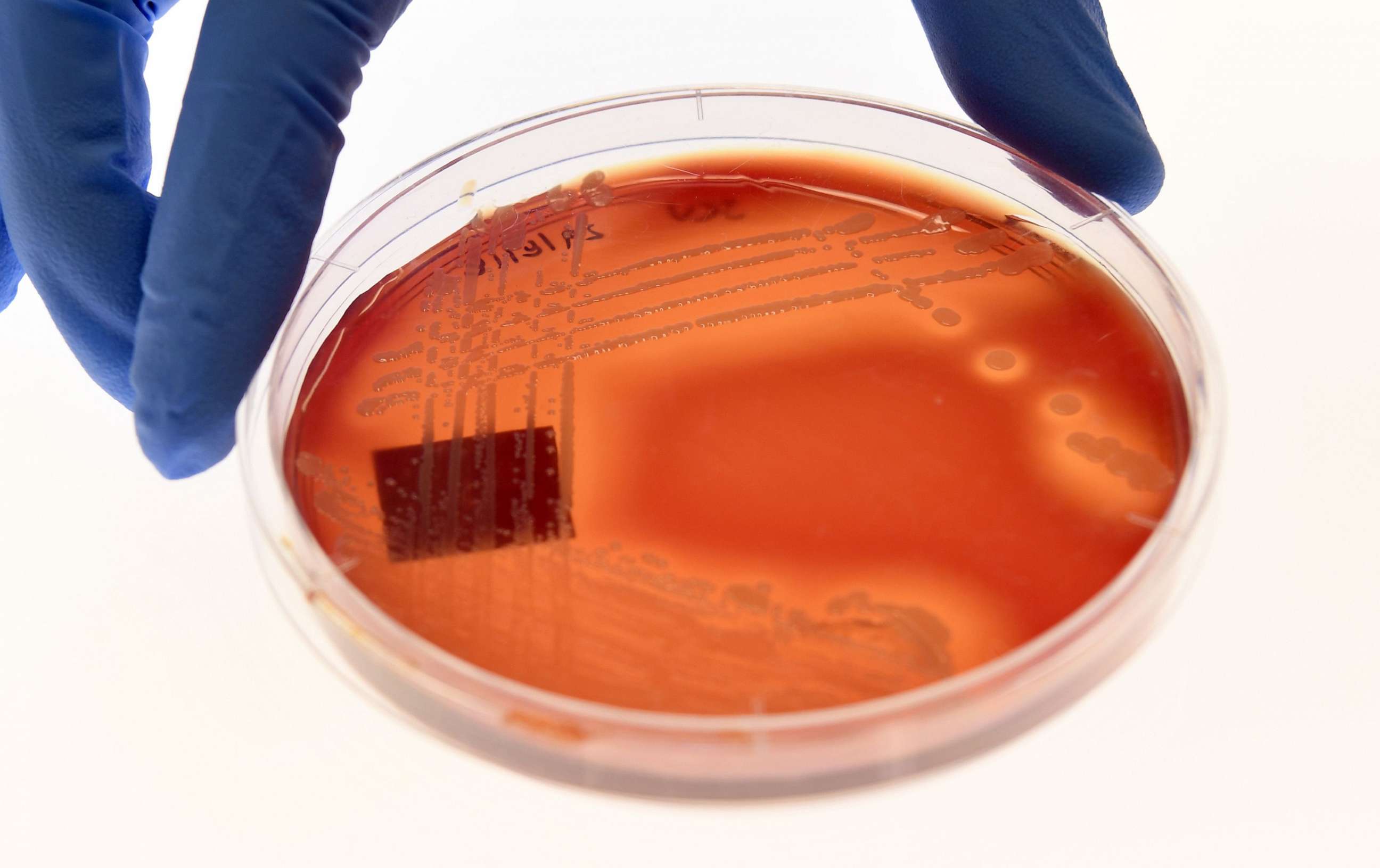
In 2019, an estimated 1.3 million deaths were directly linked to drug-resistant infections; nearly 5 million deaths were associated with AMR. At this pace, researchers estimate that by 2050 there could be up to 10 million additional deaths per year. The economic toll could result in a GDP drop of at least USD 3.4 trillion annually by 2030 as well, according to the report.
"That economic toll will come in terms of actually lives and livelihoods through disruption of trade losses, livestock productivity, and higher health care costs, not counting of course the human toll on lives," said Dr. Anthony D, So, director of the Innovation and Design Enabling Access Initiative at Johns Hopkins Bloomberg School of Public Health. "The impact will be felt across sectors and disproportionately will fall upon poorer countries least well-positioned to mitigate the impact of AMR," So added.
AMR is not only a public health issue, but also has ties to the environment.
"Environment plays really a key role in the development, transmission and spread of antimicrobial resistance," said Jacqueline Alvarez, Chief of the Chemicals and Health Branch, United Nations Environment Programme. The report mentions that, "AMR is closely linked to the triple planetary crisis of climate change, biodiversity loss, and pollution and waste," which are "driven by human activity and unsustainable consumption and production patterns."
"We have real tangible and physical recommendations…This goes beyond government. It talks about practices, it talks about culture, it talks about different sectors that need to really change the dynamics of the things that they are doing," Alvarez added.
The U.N. report's authors argued these problems should be fixed with top-down, government-level initiatives, which should be implemented as soon as possible. Specifically, governments should consider freeing up enough funding for national development planning, climate change initiatives and monitoring for the evolution of new superbugs.
Governments should also consider placing regulatory limits on the use of antimicrobials on farms, discharge of wastewater from pharmaceutical companies, improving wastewater management and beefing up safer sanitation practices, the report further urged.
David Oczos, DO, is a Family Medicine resident physician at Stony Brook Southampton Hospital and a member of the ABC News Medical Unit.