Surprising COVID-19 hot spots: Why coronavirus still threatens rural areas
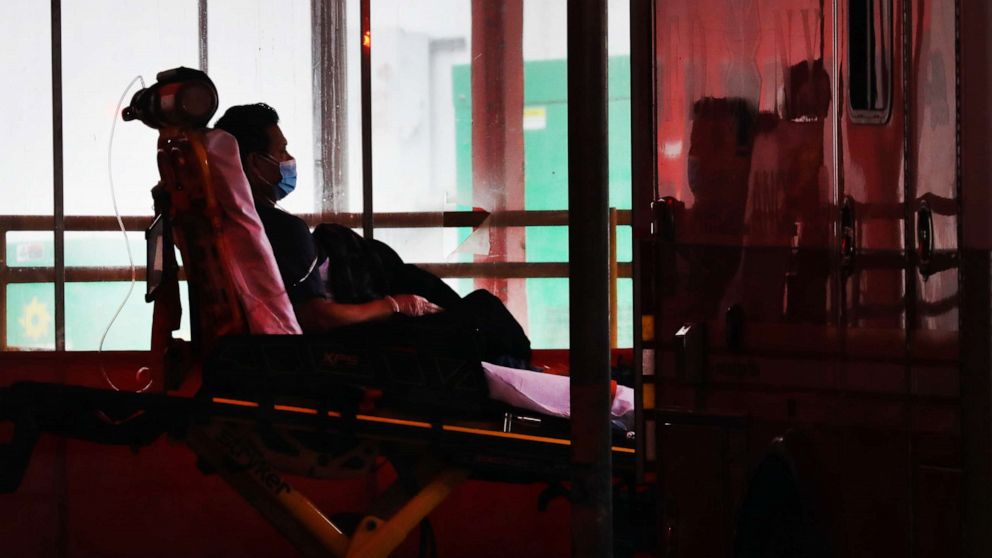
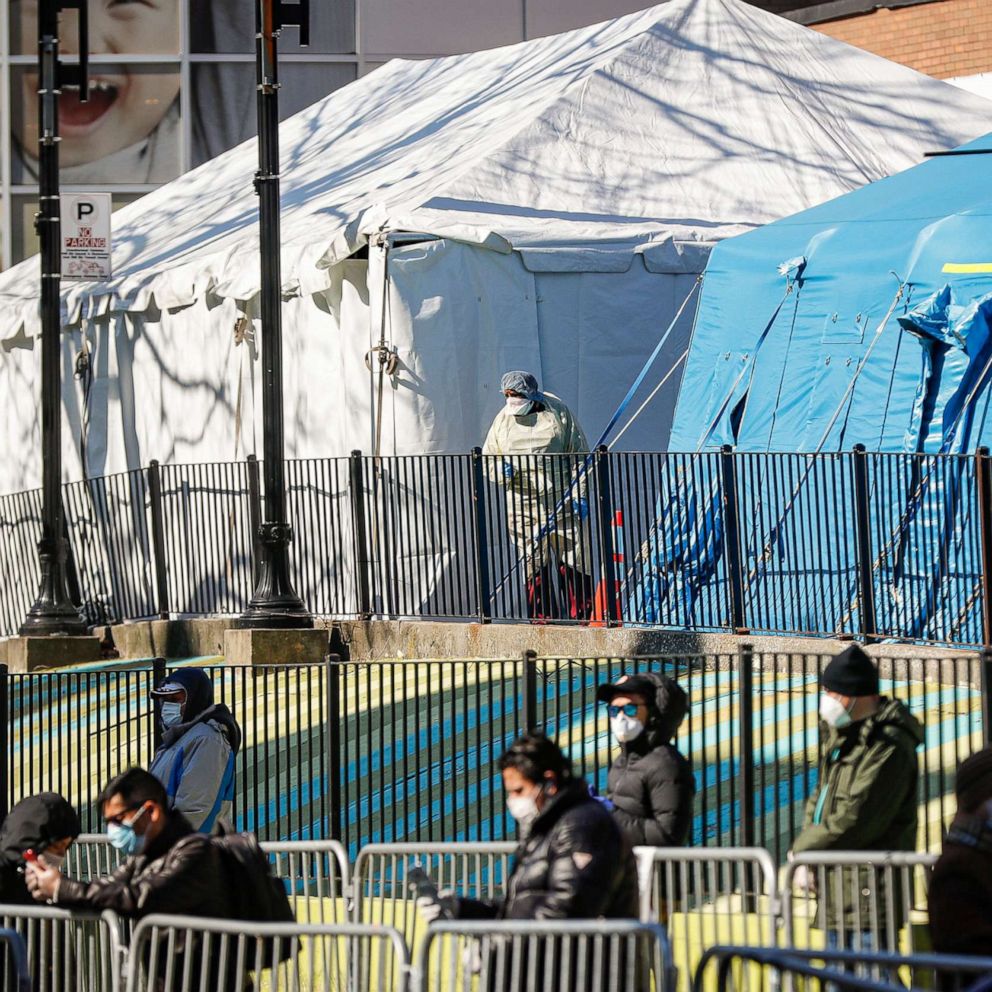
These past several weeks, national attention regarding the COVID-19 pandemic has been focused on known urban hotspots such as New York City, Chicago and Los Angeles. However, a troubling new trend is emerging: outbreaks in rural communities.
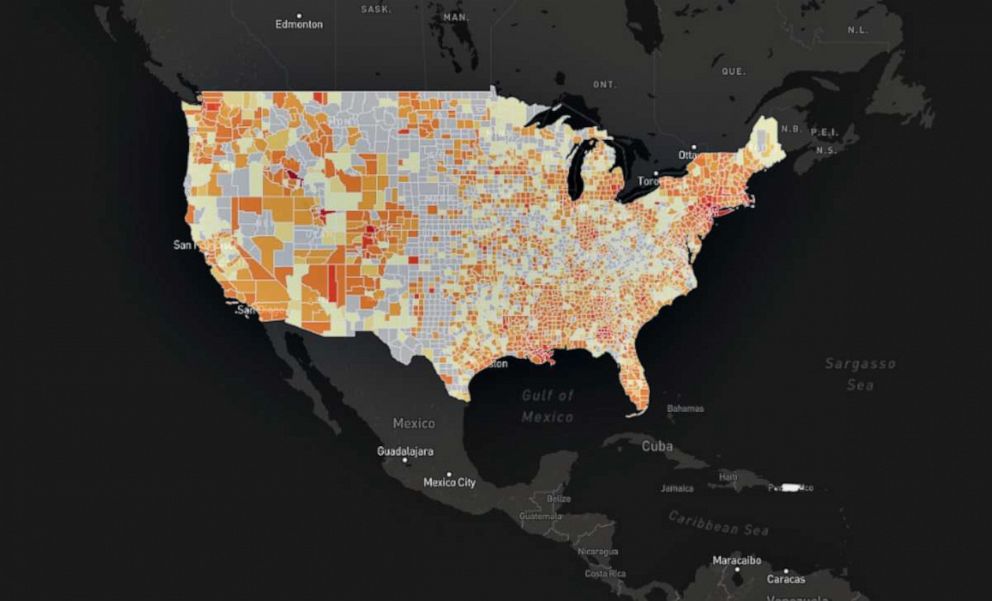
Dr. Marynia Kolak is the assistant director for Health Informatics at the Center for Spatial Data Science at the University of Chicago, which recently released a U.S. COVID-19 Atlas, providing county-level data on COVID-19 cases to help locate emerging hotspots for the disease. The results are surprising.
"A lot of hotspots are seen in rural regions throughout the south, especially when you adjust for population size," Kolak said.
Unfortunately, it's not just an increase in the number of cases.
"We also see elevated adjusted death rates in places like Northern Mississippi, a lot of Louisiana, and smaller counties in Alabama and South Carolina," she said.
Tune into ABC at 1 p.m. ET and ABC News Live at 4 p.m. ET every weekday for special coverage of the novel coronavirus with the full ABC News team, including the latest news, context and analysis.
The rise of COVID-19 in rural communities might at first seem counterintuitive. With people spread far apart, sometimes with acres of land between houses, rural communities on the surface appear to be practicing social distancing by default.
But Dr. John Brownstein, an epidemiologist at Boston Children's Hospital, said it's common for viruses to trickle into rural communities after hitting big cities first.
"We see this kind of trend in the flu as well," he said. "It tends to start in urban areas where there is a lot of mixing, and then it moves out to suburban and rural communities. Additionally, in this case, when people are asked to quarantine or shelter-in-place, people tend to move out of cities to suburban and rural locations bunker down."
On top of that, Kolak said some states have been slow to adopt formal social distancing policies, which may drive an uptick in infections among their rural populations.

"Mississippi and Florida only issued statewide shelter-in-place orders this week, so the public may have been getting mixed messages," Kolak said.
"We also see a sense of community in rural environments where family and friends come together, which is great at most times, but not ideal for this crisis," Kolak added.
This helps explain how the disease spread to rural locations. But why are people in rural communities more likely to die of COVID-19 infection, as the data also seems to indicate?
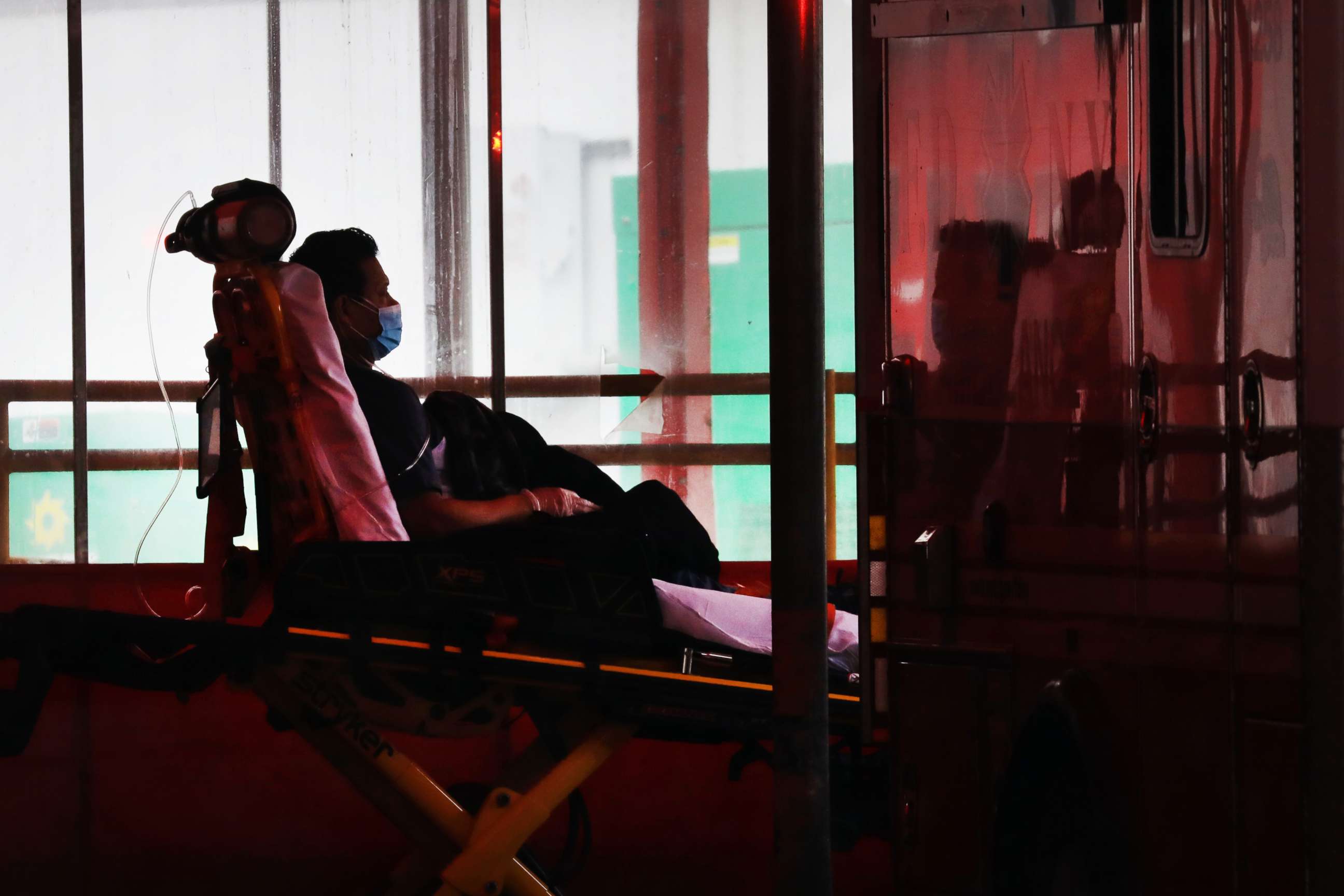
Experts say the elevated death rate can be attributed to the fact that people living in rural communities, on average, tend to have higher rates of chronic medical conditions and less access to medical resources.
The Centers for Disease Control and Prevention notes that rural Americans "tend to have higher rates of cigarette smoking, high blood pressure, and obesity. They also have higher rates of poverty, less access to healthcare, and are less likely to have health insurance."
"These are vulnerable populations with poor access to insurance who may have to travel far to get to a hospital," Kolak said. "It's a bit of a perfect storm with worse access to health care, less health insurance overall, and slow policies to take COVID-19 seriously."
What to know about the novel coronavirus:
-
- How it started and how to protect yourself: coronavirus explained
- What to do if you have symptoms: coronavirus symptoms
- Tracking the spread in the US and worldwide: coronavirus map
According to Dr. Anthony Fauci, director of the National Institute of Allergy and Infectious Diseases and White House coronavirus task force member, Americans across the country should interpret President Donald Trump's 30-day federal guidelines as a nationwide stay-at-home order, even if it's not really enforceable.
As scary it sounds, the areas most conducive to social distancing may be the most dangerous places to become infected with the novel coronavirus.
Vinayak Kumar, M.D., M.B.A., is an Internal Medicine Resident at Mayo Clinic and is a contributor to the ABC News Medical Unit.