• Video
  • Shop
  • Culture
  • Family
  • Wellness
  • Food
  • Living
  • Style
  • Travel
  • News
  • Book Club
  • Newsletter
  • Privacy Policy
  • Your US State Privacy Rights
  • Children's Online Privacy Policy
  • Interest-Based Ads
  • Terms of Use
  • Do Not Sell My Info
  • Contact Us
  • Recalls and Product Safety Alerts
  • © 2026 ABC News
  • Wellness

Surviving cancer may depend on where you live in the world: Report
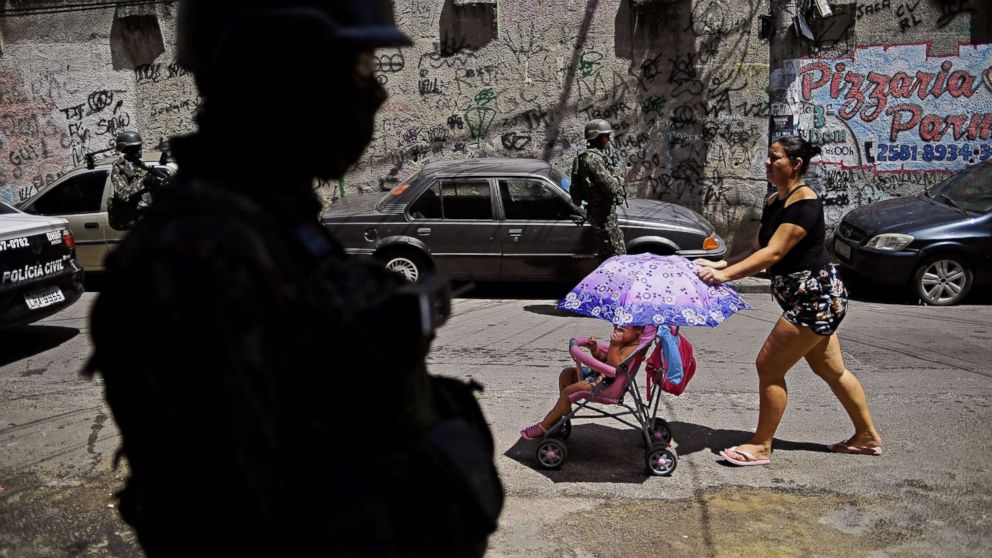
A woman walks past Brazilian military on patrol in Jacarezinho favela in Rio de Janeiro on Jan. 18, 2018.
Carl de Souza/AFP/Getty Images
ByCATHERINE SPAULDING MD
January 31, 2018, 5:40 AM

— -- Cancer remains one of the leading causes of death around the world.

Now, it appears that your chance of surviving cancer is intimately tied to which country you live in.

A new study published by The Lancet Tuesday shows a tremendous amount of variability in five-year cancer survival rates between countries. Though the study shows cancer survival worldwide is increasing overall, the results shed light on the deep disparities that exist around the globe.

For this study, an international team of researchers reviewed more than 300 cancer registries from 71 countries. From this, it identified 37.5 million patients who had been diagnosed with one of 18 common cancer types, between 2000 and 2014.

A young couple sits next to a water feature before the Han river and the city skyline, at Yeouido park in Seoul, May 5, 2017.
Ed Jones/AFP/Getty Images

What they found: For the last 15 years, cancer survival has remained the highest in the U.S., Canada, Australia, New Zealand as well as in Finland, Iceland, Norway and Sweden. These countries have five-year survival rates as high as 90 percent for some cancer types.

Related Articles

Nearly half of cancer deaths linked to preventable risk factors: Study

Related Articles

Even moderate alcohol consumption may increase risk of certain cancers, experts warn

Related Articles

Hormonal birth control linked to increased risk, study says

Young dancers perform during a outdoor ballet class on the steps of Sydney Opera House, on Oct. 9, 2015 in Sydney, Australia.
Ryan Pierse/Getty Images

But unfortunately, this does not hold true around the rest of the world. While the five-year breast cancer survival rate in the U.S. is 90.2 percent, it is only 66.1 percent in India.

And though the five-year colon cancer survival rate is 70 percent in Australia, it is less than 50 percent in Russia.

Such stark disparities are true for children as well. For instance, the five-year survival rate of the most common type of pediatric leukemia is greater than 90 percent in multiple countries, but it is less than 60 percent in Mexico, China and Ecuador.
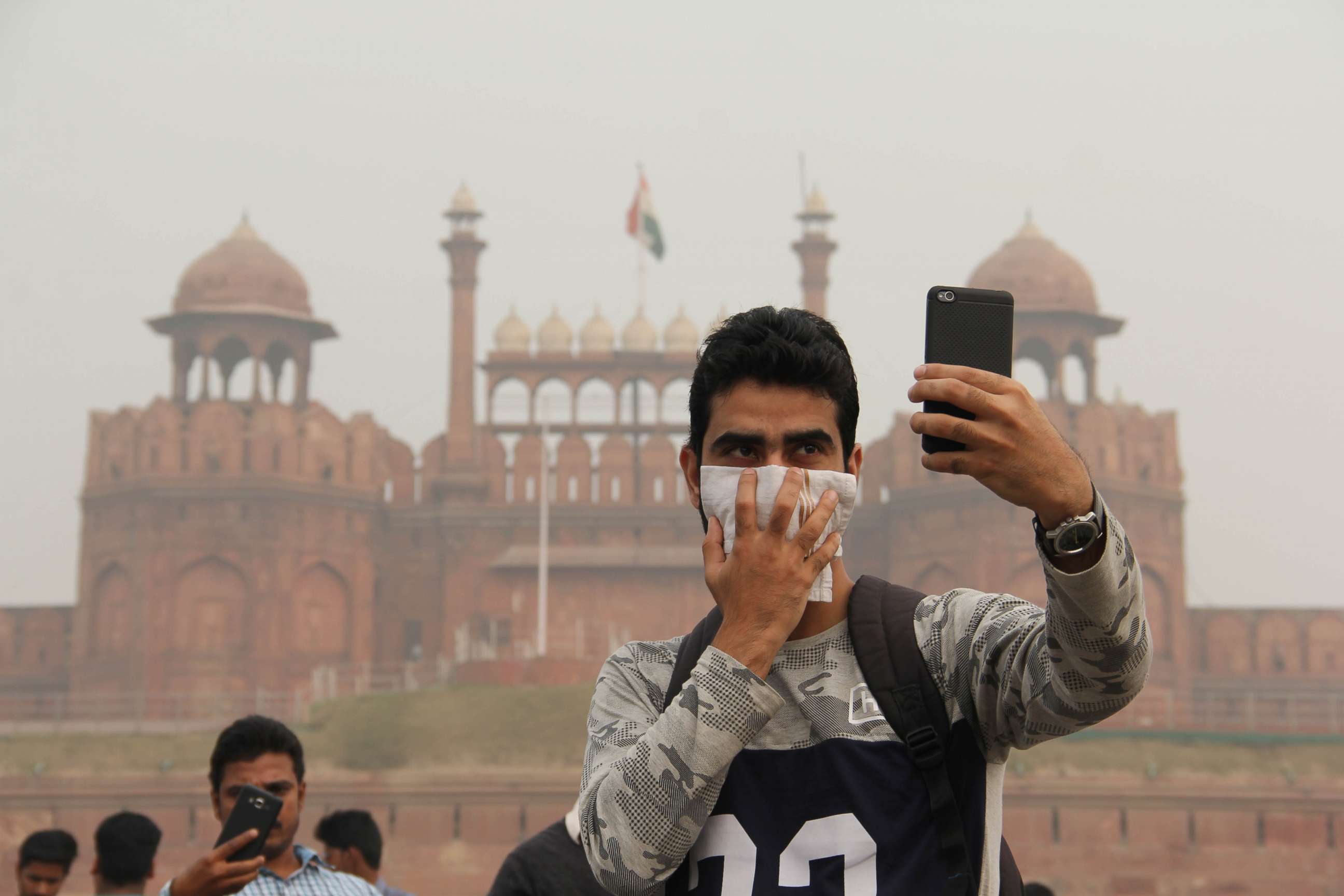
Young people take selfies in front of The Red Fort in Delhi on Nov. 12, 2017.
Nasir Kachroo/NurPhoto via Getty Images

Similarly, the five-year survival rate for pediatric brain cancer is 80 percent in Sweden and Denmark, but only 28.9 percent in Brazil.

Additionally, survival disparities exist within countries themselves. For instance, though South Korea is among the highest in five-year survival of gastrointestinal cancers; however, the country ranks among the lowest for five-year survival rates of melanoma and blood cancers like leukemia.

Claudia Allemani, lead author and researcher for the Cancer Survival Group at the London School of Hygiene and Tropical Medicine, believes identification of these disparities is the exact reason to keep watching cancer survival trends and expanding the database.

PHOTO: A group of dancers with costumes and masks of demons walk in the parade for the carnival festivities 2017 in El Tambo, Ecuador.
A group of dancers with costumes and masks of demons walk in the parade for the carnival festivities in 2017 in El Tambo, Ecuador.
UIG via Getty Images

“Continuous monitoring of global trends in cancer survival is crucial to assess the overall effectiveness of health systems worldwide and to help policymakers plan better strategies for cancer control,” Allemani said in a statement.

“Governments must recognize cancer registries as efficient public health instruments that produce a continuous stream of valuable information on both the impact of cancer prevention strategies and the effectiveness of health systems, and at very low cost,” she added.


Up Next in Wellness—

The science behind social media's 'Early Bird Dinner': How early dining may impact sleep and weight

July 28, 2026

Lindsay Clancy trial puts spotlight on lesser-known postpartum psychosis

July 28, 2026

Carly Simon reveals she's been diagnosed with Parkinson's disease

July 27, 2026

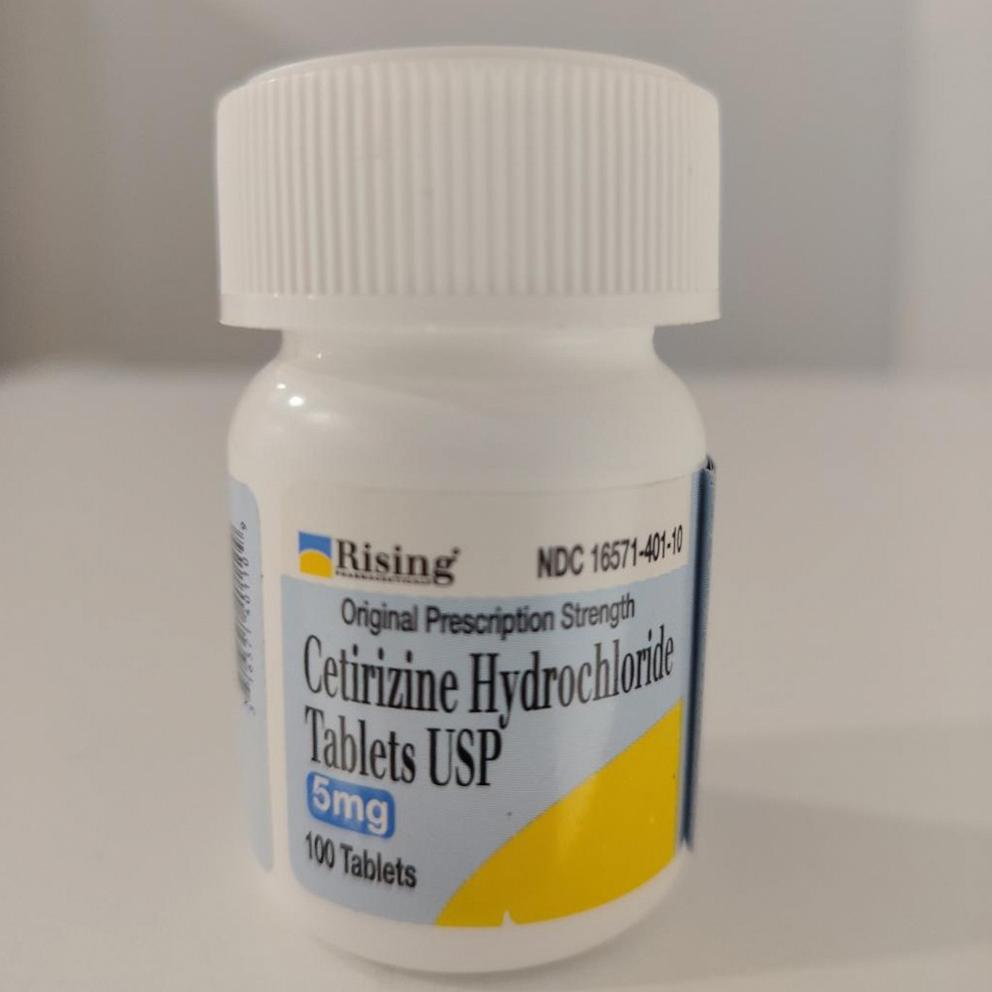
Allergy medication recalled for potential cross-contamination that could be life-threatening, FDA says

July 22, 2026

Shop GMA Favorites

ABC will receive a commission for purchases made through these links.

Sponsored Content by Taboola

The latest lifestyle and entertainment news and inspiration for how to live your best life - all from Good Morning America.
  • Contests
  • Terms of Use
  • Privacy Policy
  • Do Not Sell My Info
  • Children’s Online Privacy Policy
  • Advertise with us
  • Your US State Privacy Rights
  • Interest-Based Ads
  • About Nielsen Measurement
  • Press
  • Feedback
  • Shop FAQs
  • ABC News
  • ABC
  • All Videos
  • All Topics
  • Sitemap
  • Recalls and Product Safety Alerts

© 2026 ABC News
  • Privacy Policy— 
  • Your US State Privacy Rights— 
  • Children's Online Privacy Policy— 
  • Interest-Based Ads— 
  • Terms of Use— 
  • Do Not Sell My Info— 
  • Contact Us— 
  • Recalls and Product Safety Alerts— 

© 2026 ABC News