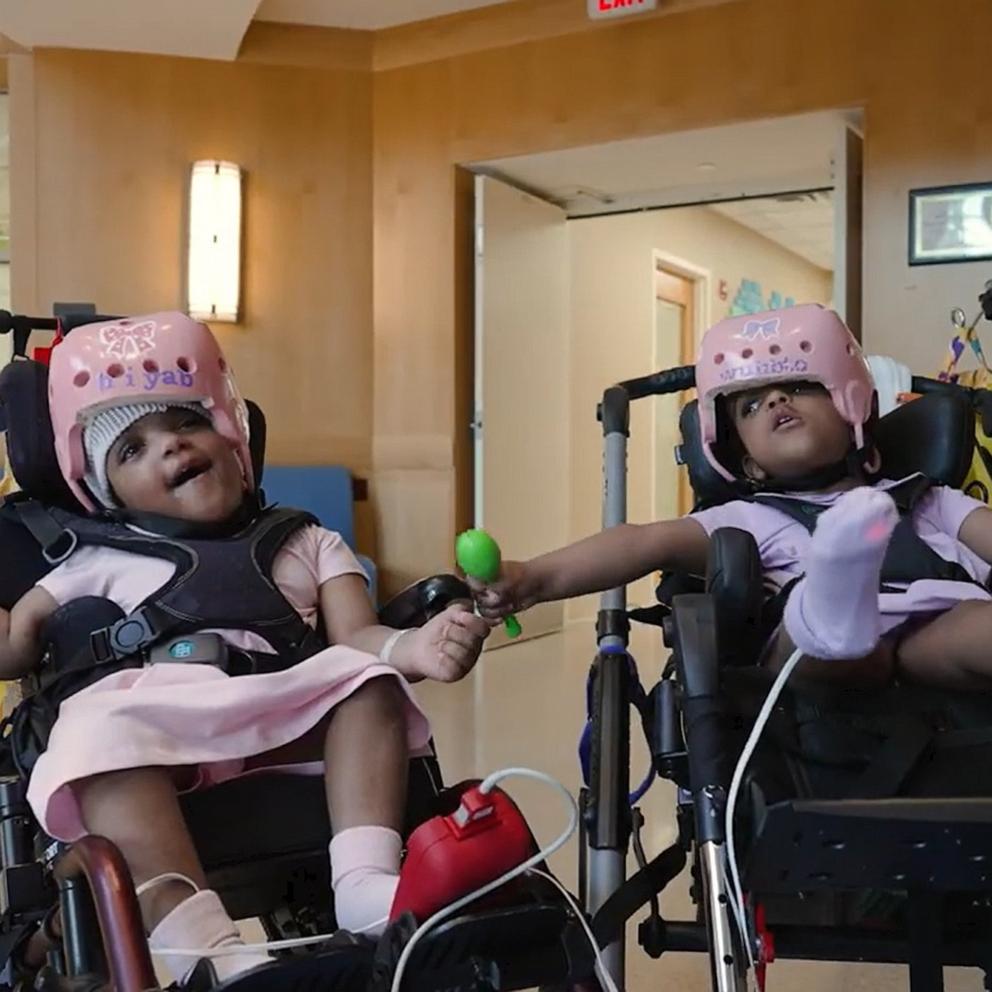
How to talk to kids about the Manchester terror attack

— -- Parents and children learning about the bombing at an Ariana Grande concert in Manchester, England, may find the violence especially troubling since the terror attack targeted a venue full of children and adolescents.
Disturbing news can be hard for parents to grasp, much less explain to curious children. Young people also consume their own media through Facebook and Twitter and may form their own impressions, leaving parents concerned about how to best provide support amid the frightening news.
Experts advise parents not to avoid difficult topics, but instead engage their children to help them make sense of scary events.
Dr. David Palmiter, professor of psychiatry at Marywood University in Scranton, Pennsylvania, and author of "Dr. David Palmiter's Blog for Hectic Parents" advises moms and dads to prepare themselves before rushing to their children’s rescue.
"We have to acknowledge our own craziness. No engaged parent is happier than their least happy child," said Palmiter. "If my kid is hurting, then as a loving-slash-crazy parent, what I want to do is jump in and make them stop. That has an effect, dampening the dialogue and losing the opportunity to have a kid learn how to cope with painful thoughts and feelings."
Instead, Palmiter recommends parents assess their own reactions and deal with their own distress early, like the airplane emergency instructions for adults to secure their own oxygen masks before helping children.
"I want to prepare myself as a parent to listen, to get a full vetting before I say word one," he said.
World reactions to Manchester bombing
Photos of the world reactions to the Manchester bombing.
















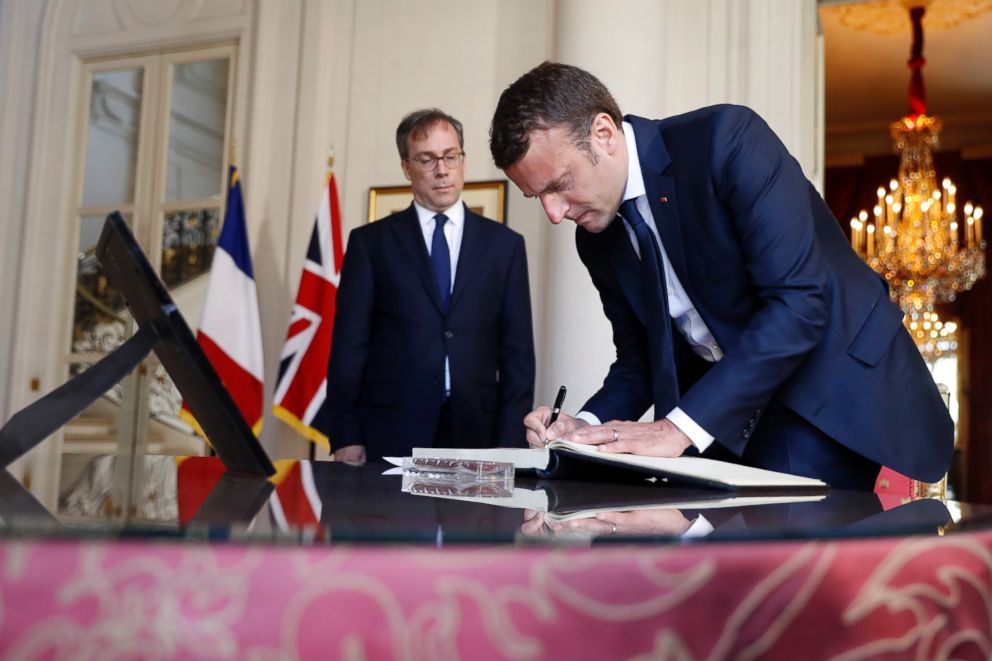








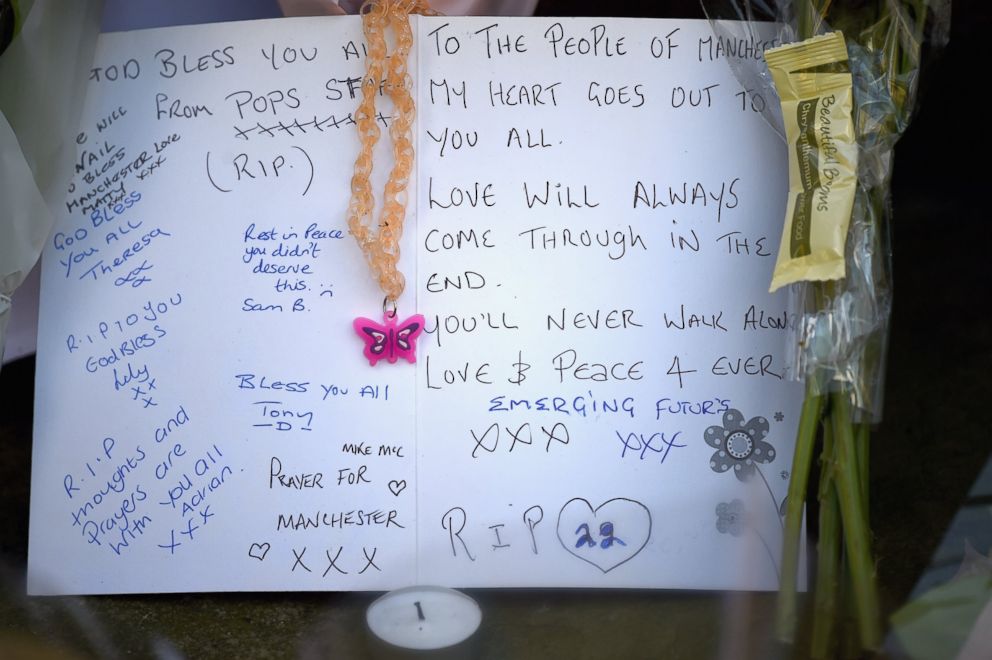



Kids can have various reactions to trauma, he said, and advises that parents allow children guide the conversation.
"I would let the kids know that they’re willing, available and interested to talk about it if the kids would like to talk about it," Palmiter said. "Sometimes kids are like adults; they cope by not talking about things."
The American Academy of Pediatrics (AAP) recommends limiting exposure to media violence, which can cause further trauma. Very young children may not understand that they are seeing the same event over and over and instead experience each replay as a separate horrific event.
When children are ready, Palmiter recommends reflective listening plus empathy to generate what he calls "companioning," or listening side-by-side. If they ask for information, Palmiter advises selecting what to tell children based on their age and developmental stage. Well-adjusted adolescents can even help out parents by listening to the fears of their mother or father.
"The older the child, the more developmentally healthy the child, the more I’m going to be talking about my own pain," he said.
But Palmiter warns against fudging the truth with kids.
"I’m never going to say anything untrue because that will damage my credibility, because it will stop them from coming to me," he said.
Warning signs that a child is not coping well with a traumatic event or news may become apparent.
"The only time I worry is if a kid starts changing in their ability to meet developmental targets," he said. Some examples are missing sleep, eating poorly or changing behaviors around friends and at school. Mild to moderate cases normally settle down in a week or two. Beyond that, Dr. Palmiter suggests seeking professional help.
The American Psychological Association (APA) also advises parents to take action to lift children's spirits. This can include giving back to the community, donating to those affected by tragedy or other good acts.
Robin Gurwitch, a psychologist at Duke University, said in an earlier interview that getting involved in either a faith-based community service, talking to a friend or seeking professional help can all be ways to cope with frightening news.
She also advised taking breaks from watching the news.
"You can bear witness and do something and taking a break from it, it doesn’t mean you’re uncaring," she said in an interview last year. "While we have different levels of what we can watch, everybody needs a break from it. Watching it nonstop is not helpful for anyone."
More information about helping children cope with traumatic events is available via the AAP and the APA.